Let Life Be Easier
If you’re like me, you make life 10x harder than it needs to be. Because you’re exhaustively overthinking, because you’re obsessively problem solving, because you’re overly complicating.
In this short episode, I share realizations I’ve made, and techniques I’ve used, to flow with life, not against it. I offer perspectives and identify possible energy and time sucks that are zapping you dry. You might be surprised.
Love you.
Whitney
Connect with me on Facebook and instagram @the_nativist

Greater Expectations
Want to maximize peace and happiness and minimize disappointment? This is your episode.
Expectations. They powerfully influence our perceptions, our experiences - and therefore our lives. They impact our relationships, our careers, our productivity, our accomplishments, our peace and happiness (or lack thereof).
So they’re probably worth thinking and talking about, yeah? Excellent. You’re in the right place. In this episode, I offer perspectives on the different roles expectations play in our lives, and I offer tips on cultivating success.
Thank you for being here.
Connect with me on Facebook and Instagram @the_nativist

Define Yourself Using Your Definitions
Life on your own terms means first defining those terms, yeah? So how are you defining the words in those terms? Whose definitions are you using? If you ever catch yourself comparing yourself to others, and/or telling yourself you “should” do this or “shouldn’t” do that, do you ever stop and truly ask yourself why? Have you ever questioned what success means to you? Do you analyze what actually resonates with you (eg as “successful” or “acceptable” or “fun”) or do you just obediently accept others’ definitions? Whose yardstick are you using to measure your life? Yours or society’s? Yours or your parents’? Maybe upon closer inspection those yardsticks match, and maybe they don’t. But YOU get to decide.
So that’s basically what I talk about in this episode. Happy you’re here.
Connect with me on Facebook and/or Instagram @the_nativist
The book I reference in the episode is The Power of Fun: How to Feel Alive Again by Catherine Price

Silverevolution
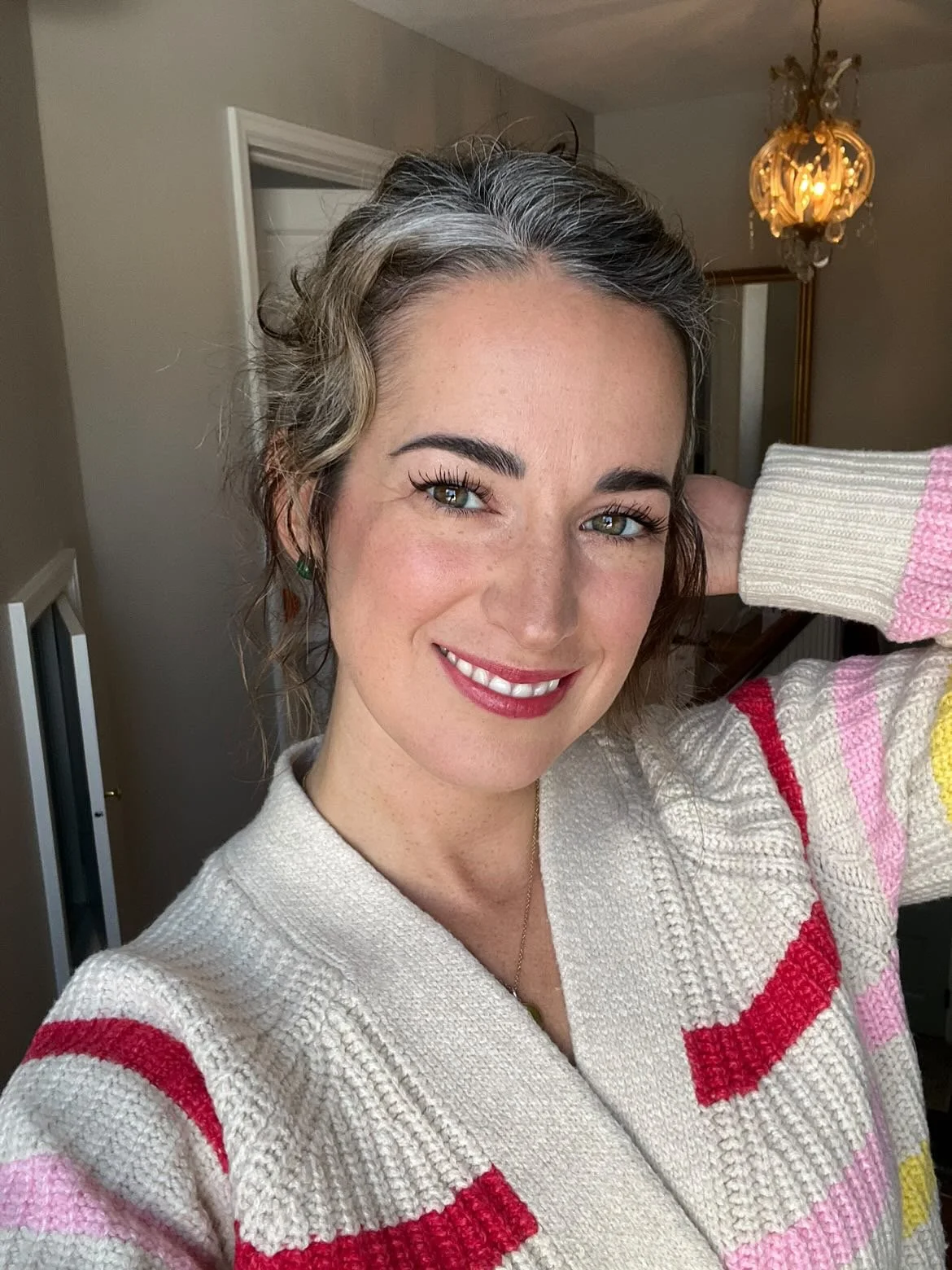
In a world of black and white, gray can be revolutionary, whether you’re accepting life’s nuances or your hair’s natural color. What if we leaned into the gray, instead of fighting or ignoring it? Meg Holmes shares her experience doing just that, by transitioning to her natural hair color and letting her silver shine through. She shares her steps, her thoughts, and her advice, including surprises she’s encountered along the way. We discuss how your beauty is for you to define, and how options empower us all. There are some gold nuggets of wisdom in here, including the dynamic questions Meg suggests asking yourself when. contemplating any life decision.
Beauty on YOUR terms.
You can connect with Meg on Instagram @megstoho and follow along on her journey. Her account is private, so shoot her a friend request and cross those fingers she accepts.
Thank you. Love you. Mean it.
You can find me on Facebook or Instagram @the_nativist

Image by Brekka Hartman Photography

Image by Brekka Hartman Photography
Change Your Focus, Change Your Life
What you feed, grows. What you focus on becomes your reality. If you want to change your reality, you must first change your focus.
What you focus on affects your life, your relationships, your environment, and the world. Sound dramatic? I’ll explain why it’s not. I’ll also offer different ways of evaluating how you’re spending your most valuable currency (your focus), and suggest various ways to upgrade this. Some of these may surprise you.
The considerations are complex, but the solutions are simple. Come join me.
Find me on Facebook and Instagram @the_nativist

The Power of Sensitivity
Do you feel emotions intensely? Struggle thinking/speaking on the spot? Feel affected by loud sounds/smells/etc? Maybe you know someone who does/is.
I am on a crusade. My cause? To rebrand sensitivity. I aim to spotlight how being sensitive benefits ourselves, others, and the whole wide world. Let's make "You're so sensitive" a compliment, not an insult.
In this episode, I explain what it means to be a highly-sensitive person, and how that’s reflected in our physiology. I reference fascinating studies showing it’s not just nature vs. nature: we were born this way, baby! I share a short quiz to guide you in assessing if you/people you know could qualify as highly sensitive.
I offer new ways of viewing highly-sensitive people, some [all?] of which may be a relief to you, if you’re sensitive.
Love you. Mean it.
Book referenced: Quiet: The Power of Introverts in a World That Can’t Stop Talking by Susan Cain (HIGHLY RECOMMEND everyone read this - not just if you’re sensitive)
Connect with me on Facebook and Instagram @the_nativist
What Does Self Criticism Do for Us?
Do we need self criticism? Does it help us more than harm us? Is it essential to high performance, achievement, and fulfillment? What if we stopped? Would we become complacent? Come with me as we address these questions, and I ask you some more questions that may (will likely, hopefully!) stop you in your tracks and prompt you to think about things (particularly yourself) differently than you ever have before.
Thanks for coming along.
Find me on Facebook and Instagram: @the_nativist

Finding Your Fit[Ness]: Prioritizing Health, Fun, and Body Acceptance
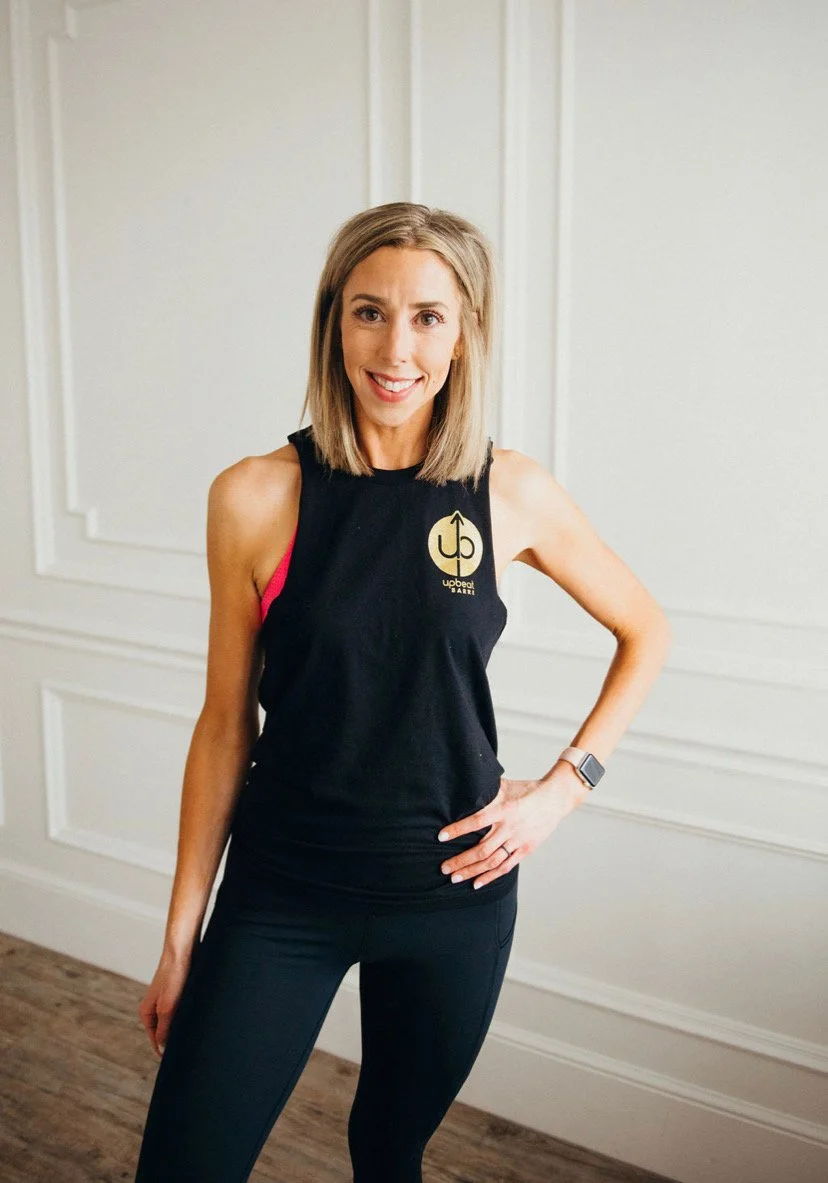
From the minute I met her, I loved Maren Watkins - and I’m confident you will too. You know those people who turbo charge your batteries just by proximity? She is one of those. Her titles (mother, group fitness instructor, UpBeat Barre co-founder, former college professor, meme master, fun crusader) inadequately capture her full awesomeness.
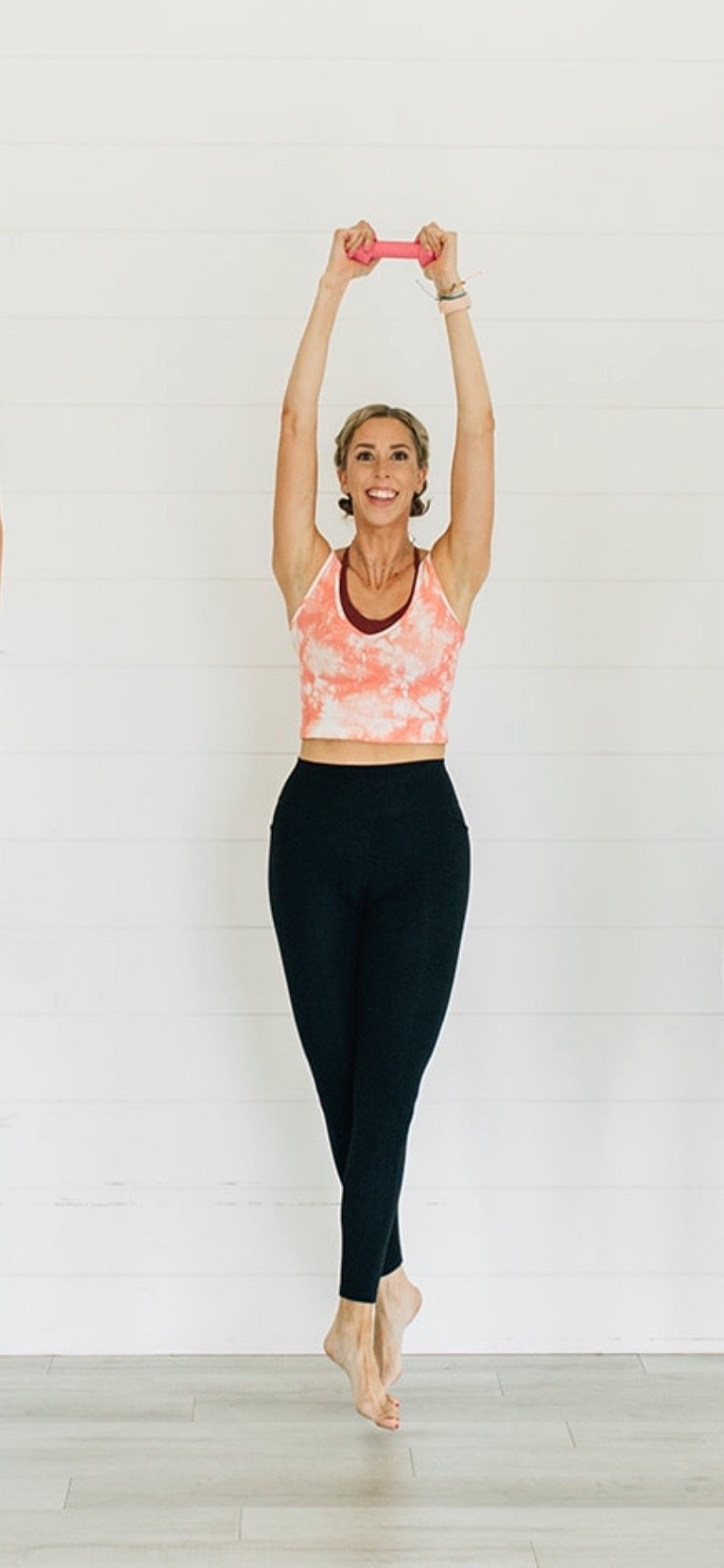
In this episode, we distinguish between body positivity and positive body image and highlight the risk of appearance-based compliments. We offer an alternative to body love, and suggest how to not hate your workout. Maren also shares her brilliant technique for framing body image with her kids. And of course, she humbly tells us what it’s like being a co-founder of a global workout sensation: UpBeat Barre (and why it’s so good for you).
We keep it fun, but we also keep it real. Because balance.
Follow Maren on Instagram @marenwfitness (worth it just for her meme commentary)
Find UpBeat Barre on their site: www.upbeatbarre.com or on Instagram @upbeat.barre
Making Time, Money, and People Count
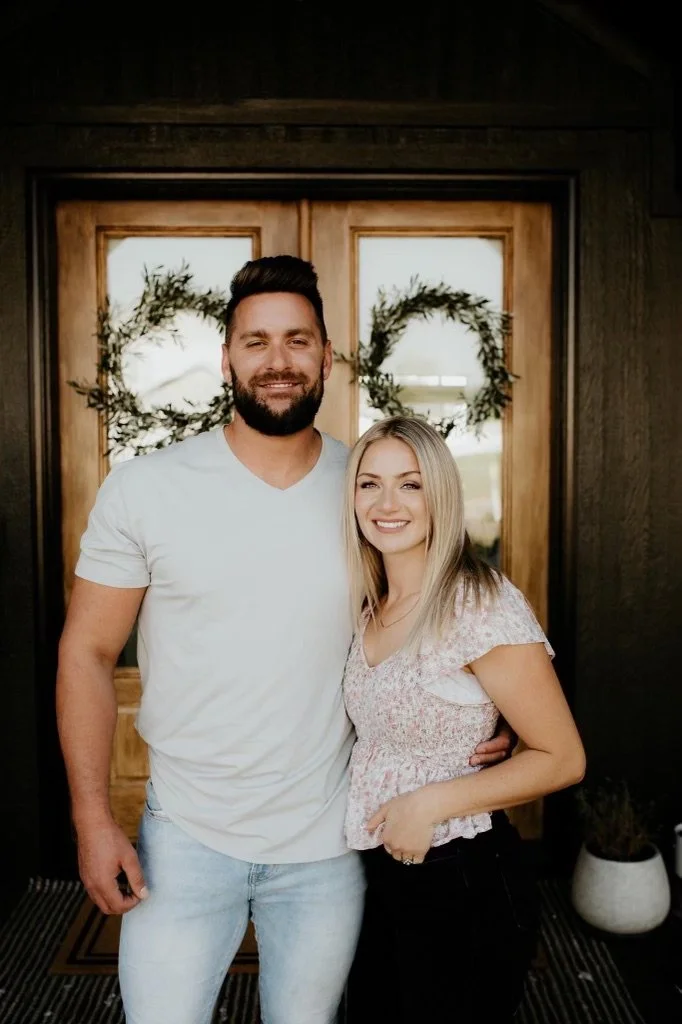
Want to work smarter not harder? Want to cultivate the life you want? This is your episode. I present to you two shining examples: Jess and Brandon Desfosses. Realtors, DIYers, property investors, house flippers, adoptive parents, birth parents, restaurant owners, social media content creators, community networkers, spouses…their titles are many. How do they manage it all? Listen as we chat about time management, motivation, ambition, productivity, work/life balance, organization, marketing, scarcity mindset, money management, and what they (and I!) think is the key to it all. Laughs, value, and inspiration: check, check, and check. And let’s just say their reach is about to get a lot wider (very pumped for them).
Follow them on Facebook and Instagram @idahomerealestate and/or contact Brandon directly: 208-241-6205.

My Eating Disorder Journey
Here it is, another deeply personal episode that’s been a long time coming. Today’s topic is my journey with severe eating disorders. I share which eating disorders (yep, multiple) I experienced and what factors triggered them. I talk about my recovery process (including outpatient treatment in Utah), and where I am with it all currently. I highlight what has helped me, to hopefully help and illuminate an issue affecting so many of us, directly/indirectly. Thank you for listening.
Connect with me on Facebook and Instagram: @the_nativist
I’ve copied and pasted my previous blog post on this (to save you some clicks!):
Body. This area is near and dear to my heart. It's been my passion and focus for more years than I care to count. The truth is...
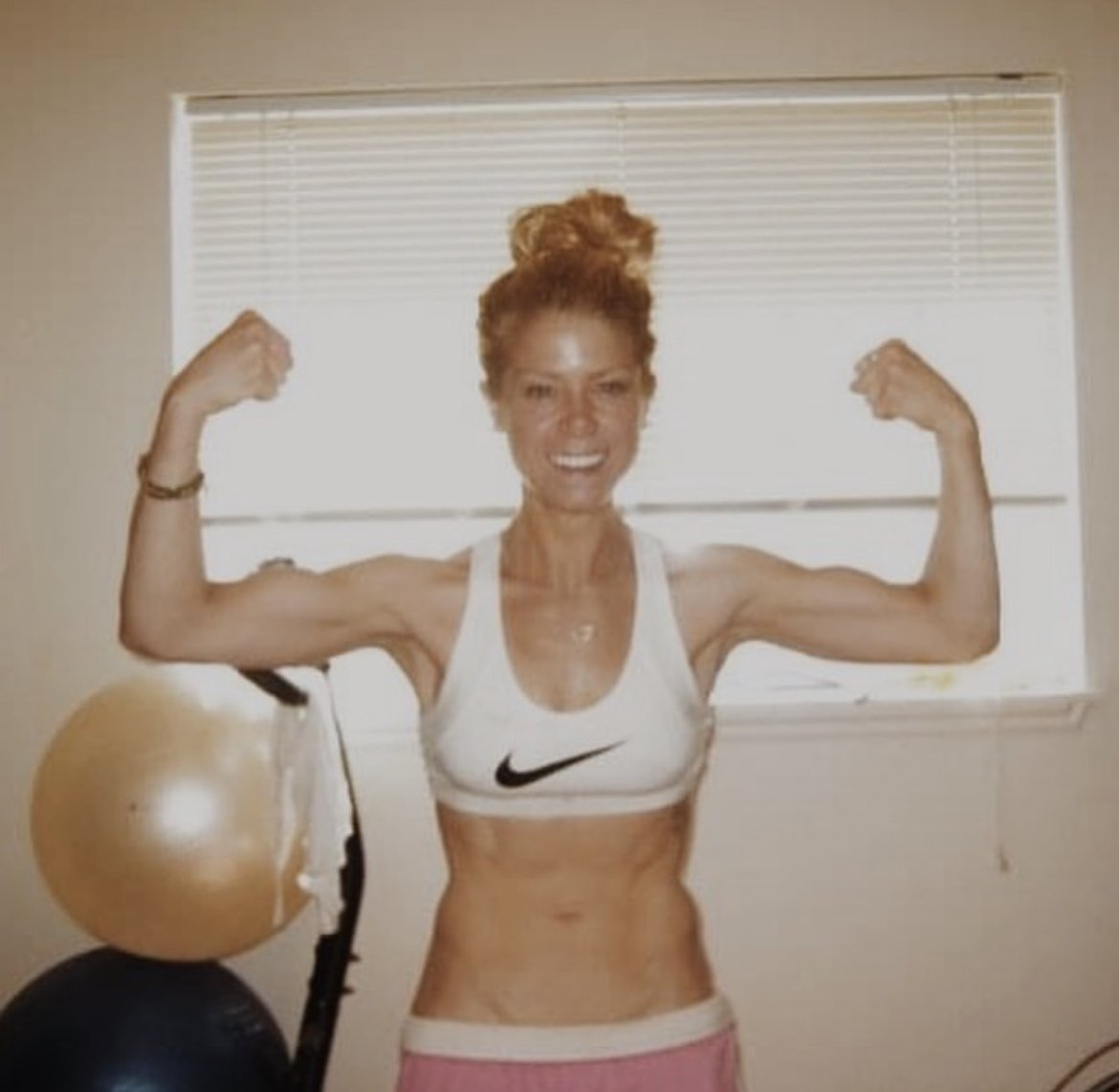
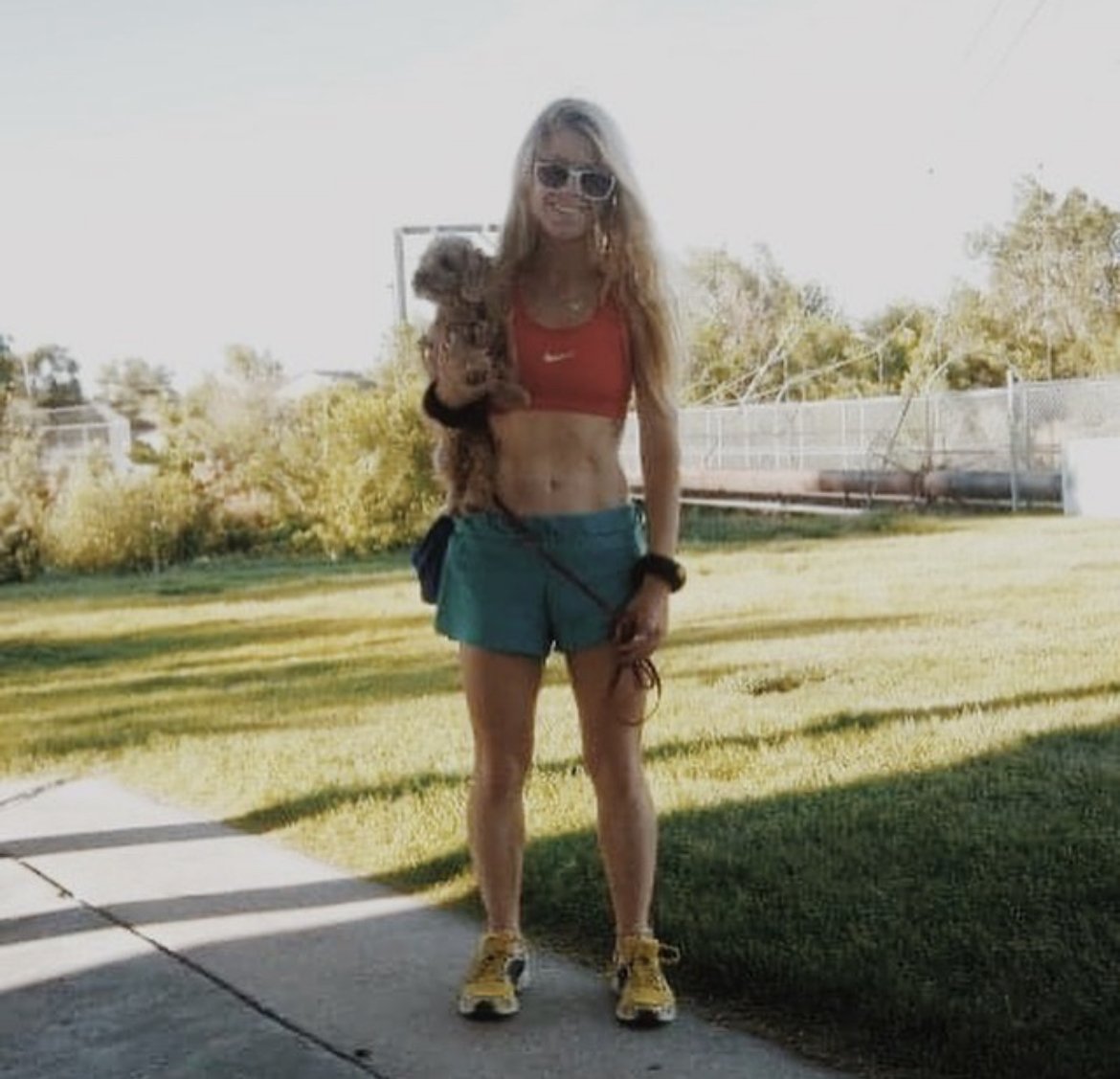
My body and I haven't always been on the same team, for which I take full responsibility. Blinded by lofty aesthetic and fitness ideals, I tried to force my body into what it wasn't. Superhuman stamina or bust. Six pack or bust. Each day I demanded improvement. It was unacceptable to me to do less than the day before. Rest days were laughable. Just one more rep than the day before. Then one more. Then one more...
With a pace and mentality like that - without the chance to recover - it doesn't take long for your body to B U R N out. And I kept up that pace for a disgustingly long time. I still marvel at how my body kept up with me as long as it did. At the height of it, I was working out over 5 hours A DAY. And we're not talking light jogs - we're talking going A L L O U T. For example, here was a day in the life:
5:00 am: Wake up and do an Insanity video. Add additional cardio before and after the video started jusssst to make sure I was getting all I could from the workout. After the video ended, repeat a few of the parts I feel I didn't do as well.
7:00 am - Park my car as far from where I was going as possible, so I could squeeze in some extra walking miles to and from classes at ISU.
11:00 am: Kickboxing/aerobics class
3:30/4:00 pm: Arrive to Gold's Gym early, so I could knock out some extra cardio
4:30 pm: Pilates
5:30 pm: Hip Hop Aerobics
6:30 pm: Body Pump [weight-lifting class]
7:30 pm: Zumba
*In between all of this, I was working and going to school full-time, demanding excellence of myself in those areas as well
By nature, I have an all-or-nothing personality (something I've really had to work to overcome). My days were for working/working out, and my nights were for winding down and eating. In my mind, eating was part of relaxing and releasing - not something I did throughout the day to, ya know, FUEL MY BODY. (facepalm) For so long, I denied my body's screams for adequate rest. For solid nutrition. For self love.
As you can imagine, my body wasn't too stoked about my regimen, and I wasn't too stoked about my body's refusal to obey. I felt more and more sluggish. Each step was a chore. I wanted to cry, thinking about drumming up the energy to get through each day, yet each time it came to work out, my OCDness kicked into gear and I'd force myself to do just as much or more than the day before. I was terrified of losing the "progress" for which I'd battled (little did I know, my lack of rest was actually hindering progress). Again, in my mind it was all or nothing: if I didn't do as much as I'd done the day before, then all was lost. Ironically, people at the gym nicknamed me "Energizer Bunny" - little did they know how untrue that was. Rather than energy, it was sheer stupid determination powering me.
As you can see, that drive for "greatness" is a slippery slope. It's always been my biggest strength and biggest weakness.
Eventually, my body waved the white flag. It just.couldn't.sustain.that pace. It had run on fumes for far too long, and it had had enough. I'd magically produce the energy for hard workouts, but could barely put one foot in front of the other otherwise. My sleep suffered. My concentration suffered. I had unshakeable brain fog. My adrenals were shot and my metabolism was wrecked. Add into the mix pre-existing thyroid and sleep issues, and you have a recipe for total disaster.
While I hold myself fully accountable for the hell I put my body through, I'll be honest: positive feedback from people partly fueled my fire. Even if I didn't initially set out to drop weight, I soon started hearing from people how "fantastic" I looked. How inspirational I was. To "keep up whatever" i was doing "because it's working." The compliments were intoxicating. Naturally, I thought, "What the hell did I look like before? Clearly this is a necessary improvement - I need to keep this up!" To be fair - the complimenters were good-intentioned and had no idea of the true story, but... I will be FOREVER grateful for the very few people who had the courage and compassion to see through the exterior and tell me I looked too thin and worn out. To me - it felt like they were eliminating the pressure to keep it up. They were giving me permission to put down the gloves and quit the fight. That's why to this day, I am always careful about complimenting a person's weight loss - especially if I'm unsure of their motivations/methods. I never ever want to add fuel to their fire. If I do comment, I try to emphasize their fitness - rather than aesthetic - gains.
Why did I just dump on you like this? Not because I wanted to blab about myself. Not because I wanted to elicit sympathy/pity/awe/etc. My SOLE REASON for bringing you in on this is to prove recovery is possible. TRULY. And to help along your journey of self-acceptance and healing. I would love nothing more.
I'll tell you a secret: I always thought people who said they recovered from body issues were, well...FRIGGIN' FULL OF IT. I thought, "They're just selling a line" or "Yeah, they must not have felt as intensely about it as I did." I never ever ever ever ever ever (times 1,000) thought I would ever be able to achieve balance and have a healthy relationship with my body and fitness. I was convinced I was doomed to a life of hating and resisting my body.
Well, guess what?!!
IT REALLY AND TRULY IS POSSIBLE. It definitely is not instant. It takes time, effort, persistence, and DESIRE. It takes internal and external support. It takes commitment to being on the same team as your body. And honestly - that's when the magic happens, when you recognize the phenomenon that is the human body, and all it does for you. Once I stopped resisting, things fell into place. Once I truced with my body and allowed it to do its thing, it delivered tenfold. The key is listening to your body. I eat more and work out less, all while looking and feeling better than ever. And there have actually even been times in the past where my body naturally dropped significant weight easily and effortlessly without killing myself. The body has its own reasons for doing what it does - so your best bet is to befriend it. Trust me.
My one and only focus now is feeling good - now and long term. That one objective drives all of my decisions: what I do with my body, and what I put into it. It's just a bonus that I look in the mirror and like what I see, but that's no longer my motivator. There is an undeniable power in getting on the same team as your body. Your body is an intelligent and powerful force. It already knows what it needs, in regards to diet, exercise, rest... All you have to do is tap into that intuition and sync up with it. That's it. Your body naturally does the heavy lifting (literally and figuratively). Get out of your head - especially if it's filled with impossible ideals of how you "should" look - and make friends with that bod of yours. Through this blog, I will share tips and tricks I've found useful on my path to healing. And if you're one of those lucky souls who's never personally faced such issues - as long as you have a body, this blog section is for you! I will share tips in general for looking and FEELING your best. LET'S DO DIS.
xx,
-w-

[How] Does Kindness Fit Into Politics?
You know those conversations that leave you feeling connected and inspired? This is one of those.
Dr. Nathan Richardson (no relation), Ph.D., Associate Dean for Undergraduate Studies and Department Chair at the University of Texas at San Antonio, joins me to discuss some pretty key topics: the role of kindness and emotions in politics; the power of curiosity in relationships and critical thinking; and the futility of polarization.
We address whether or not being centrist means you lack strong opinions, and if being open minded means you lack bravery or conviction.
Humans first. Labels second. Kindness always.
Find me on Facebook and Instagram: @the_nativist
Losing Faith: Leaving the Mormon Church
It’s here. Finally.
I share my story on joining - then leaving - the Latter-Day-Saint (Mormon) Church, and how I feel about it now. I offer questions to consider, no matter your personal beliefs.
I hope you listen - and live - with open eyes, open hearts, and open minds.
I love you.
The Brené Brown podcast episode I reference is from April 20 and April 27 (it’s a two-parter): Brené Brown with Father Richard Rohr on Spirituality, Certitude, and Infinite Love, Part 1 and 2
Connect with me on Facebook and Instagram: @the_nativist

Loss: How to Frame It and What [Not] to Do and Say
Loss. The bad news? Everyone experiences it. The good news? Everyone experiences it.

It’s a universal thread, tying is all together. It’s inevitable, though our individual experiences of it aren’t. We all experience loss, albeit it in different ways, to different degrees, at different times, in different ways.
Loss doesn’t always mean a physical death; sometimes it’s the loss of a job, loss of an identity, loss of a friendship, loss of a lifestyle, loss of a perspective.
Whether it’s your loss or another’s, it may feel hard to know what to do and say. You may feel compelled to try to “fix it,” or to positively re-frame it so as to expedite healing and eliminate wallowing.
In this incredibly thoughtful (and hopefully illuminating and helpful) episode, my friend Sydnie Hammon, a graduate student in forensic psychology, returns to share her own experience with loss, and what has (and hasn’t!) helped her. Our candid and personal discussion is steeped in psychology and personal experience.
We offer concrete, specific guidance on what to say, how to say it, what to do, and how to do it, for when you encounter loss directly and indirectly. We also suggest different ways to frame and perceive loss.
Want to know how to show up better for yourself and others? Then this is exactly the right episode for you.
Thank you for caring enough to partake. This matters.
Love you.
Find Sydnie on Instagram @sydniiieee
Find me on Facebook and Instagram @the_nativist
The books we reference in the episode:
The Body Keeps the Score: Brain, Mind, and Body in the Healing of Trauma by Bessel van der Kolk
Bittersweet: How Sorrow and Longing Make Us Whole by Susan Cain
Option B: Facing Adversity, Building Resilience, and Finding Joy by Sheryl Sandberg and Adam Grant



Politicized: Politics Over People
The people have spoken. I canvassed for what you wanted to hear, and this was one of the requests: how “nothing can be discussed anymore without throwing politics into it” (and truth be told, ironically I talked about politics while talking about how we can’t talk about anything without talking about politics. Sigh).
I share some thoughts. I suggest some perspectives. I offer some outlooks. I propose some points.
Power to the people (not the politics).
Lemme know what you think.
Thank you.
Find me on Facebook and Instagram @the_nativist
The World As It Is
Find the full transcript below.
Oof. I literally typed that and then put my head in my hands. There’s a lot of heaviness in the world today (not unlike other times - let’s respect where we as humans have been in our history!). For anyone consuming this content in the future (or in the present with no access to the outside world), it’s March 2022 and Russia just invaded Ukraine. An important point right upfront (a point that is relevant to much of my further remarks), this is not a sneak attack. This is not a shocker. We’ve known this was possible - not just for the past few weeks as Russia incrementally made moves toward it, but also for the past YEARS. Vladimir Putin - the leader of Russia - may be a lot of things, but one thing he is not is shy with his ambition and his goals. As important as Americans think we are, Putin is not the product of America. We did not create him. We may be a global superpower that influences the world balance, but believe it or not, we are not the only power in the world, and we are not at the center of every story. Thinking we are is a very American-centric view. Yes, we are a part of this story, but let’s not center ourselves, especially not to just blame this all on one president/administration. A pretty solid life truth is none of us live in a vacuum. This may surprise you, but “none of us” also includes US presidents. There are many elements inside and outside their orbit, impacting decisions and outcomes. I posted awhile ago on how US presidents actually have a far smaller effect on the economy than is often said (and I cited multiple studies and articles from various sources - conservative, liberal, and neutral - showing this). This means they can’t fully claim all of the economic wins or losses during their tenure (or immediately before/after). (PS this includes oil and gas prices.) Let’s keep this point in mind as we start talking about the cancer in this country that’s making all of this worse: division.
While division rapidly metastasizes and spreads and corrodes and impairs and harms and chokes and kills like cancer, there is a key difference: its relation to us, its spreaders. It can be said if someone has cancer, that cancer happened “to” them. Not so with this division taking over our politics, our news, our relationships, our empathy, our understanding, our humanity, our WORLD. WE are causing the division. WE are society. If we’re not actively uniting and repairing, then we’re dividing. We’re perpetuating the strength and velocity of the cancer. If we’re not uniting, we’re dividing - no matter how “passive” or “active” we are. Let’s face it. And this division we’re causing is a glaring vulnerability that can and will be exploited by those with ill intent - like Putin. When we divide ourselves, we’re aiding and abetting his efforts to do so. We’re doing his job FOR him. We’re helping him bring our downfall. And has history has shown us, the great can and do fall (think Ottoman Empire, Roman Empire, etc). Thinking we can’t is another vulnerability. It’s unwise and dangerous.
“If we’re not uniting, we’re dividing - no matter how “passive” or “active” we are. ”
We also help him divide and harm us by irresponsibly consuming/sharing content, in person or online. Misinformation abounds. There are credible, trustworthy news sources (and they’re not Twitter or Facebook), but let’s remember: much of media is business. How do you survive as a business? You make money. How do you make money, particularly as a media entity or social media influencer? You capture attention. How do you capture attention? You sensationalize, you shock and awe, you scare, you unsettle - by posting easily digestible sound bites, no matter (even especially) if they’re misleading. And it’s not just massive media corporations who cloud and mislead: it’s also people who want to make a point, further an agenda, sow discord, etc. Maybe that person is you, whether you realize it or not (depending on what you post and how/if you verify it). Again, you may not even realize it. I’ve seen/heard of videos using footage from other places/times, and presenting it as footage of Ukraine. Let’s beware of how easy it is to say/do/create anything.
So back to the life truth of we don’t live in a vacuum. There are many factors at play and ingredients in the mix. That can be comforting, and that can be unsettling. Russia being, you know - a part of the world - also does not exist in a vacuum, especially a vacuum confined to the first year of this current US administration, or even to the last few years (to include the last administration). Just as the US has its own origin story and thing going on, so does Russia. Sure, our stories include each other, and sure, we’ve had a big impact on each other (realizing this is especially vital in self-assessing our faults and missteps), but let’s not be so arrogant as to think we - or more specifically a certain US president/political party - solely created this current situation.
Let’s be clear: This is NOT an argument for/against action/inaction with this invasion of Ukraine. Let’s resist our desperate urge to politicize every friggin’ thing. If you do, you’re missing the point of this entire post/episode - and you’re part of the problem (I say that with love). But enough. I lovingly but firmly say enough.
I feel frustrated, despairing, disappointed, and upset when I see people post passive-aggressively (or even outright aggressively) how “elections have consequences,” indicating this is President Biden’s fault. Again, this current world situation did not pop up out of nowhere, a direct (and only) result of US action/inaction. To think so is a very reductive, inaccurate, divisive, and dangerous judgment. It’s simply not so. It’s also not from one ideology/political party. Again, so many factors to consider here: past international relations, current international relations, future international relations, economic strength, resources, political expediency, political support, optics, bureaucratic elements, fickle public opinion, allies, ripple effect, Russia’s backstory, consequences of past international interventions, waning appetite for more US interventions (especially after Afghanistan), Russian politics, differences in personal opinions and judgments, conflicting ideologies, etc. SO MUCH IN THE MIX. Made even more exhausting and overwhelming and messy by oversimplification: in the media, in political rallies, in personal conversations, in social media posts, in misleading (but appealing) sound bites. Clickbait. Sure to entice anger, blame, and division; sure to cloud nuance and reality.
“I believe everyone deserves a baseline level of respect, simply for being human. Everyone. ”
It’s easier to simplify and finger point; it’s harder to assess and consider. It’s easier to feel superior by judging, blaming, and condemning. It’s much harder to resist reacting, to research what you see/hear, to consider multiple angles, to empathize (this doesn’t mean condone), and to stay open and respectful. Speaking of being respectful, one of THE most disheartening things to me is seeing people launch personal attacks against people with whom they disagree. I don’t care who you are or whom you’re against, it’s never ok to name call. It’s never ok to say cruel things against someone we dislike. I believe everyone deserves a baseline level of respect, simply for being human. Everyone.
A personal attack is the biggest tell of a weak argument. This includes attacks against politicians. Making fun of Trump’s hair or Biden’s stutter - MEAN. Immature. And much more revealing of the person saying it than the person they’re criticizing. Same goes for the, “Let’s go Brandon.” To me, this has nothing to do with my political beliefs; this is a matter of humanity and decency. (I don’t identify with either party anyway - I’m a firm centrist.) This also goes for how we interact with each other, especially those with whom we don’t see eye to eye. The minute you go after someone’s character and start lobbing insults is the minute you’ve ceded ground. I have patience for people I don’t agree with (I’ll admit - it can be tough, especially on issues I deem fundamental to humanity), but I have no tolerance for cruelty and disrespect. This doesn’t mean we can’t get fired up, we can’t get angry, we can’t express frustration. We can and should. That’s healthy, but only if we imbue it all with respect: for ourselves and others, and for our world. Let’s be humble enough to know we don’t know everything. Think about this: There’s something you’re convinced of now that you’re almost certainly wrong about; same with me. I don’t know it all, and neither do you. So why would we NOT listen to each other? Well, I do know why not: ego, insecurities, fears, shame, etc. It can be tough being human, yeah? I know I get it wrong all the time. I preach often about responding rather than reacting, but that’s actually really challenging for me. It’s something I’m continually working on (but I’m proud of myself for always trying, no matter how many times I fall). Let’s give each other and ourselves tough love and also grace.
Getting back to Russia. Okay, so international relations is a topic I’ve long studied: it was my focus in grad school (for undergrad, I majored in political science and minored in psychology). It’s also a direct part of my life. I’m constantly consuming content on it, related to the past, present, and future. And if you do the same, you likely know: It’s friggin’ complicated. I mean, let’s put it in perspective: think of your own life. Like we just said, being a human can be tough stuff. It’s challenging and conflicting; it can be contradictory and messy and confusing and and and… There are countless elements at play, countless contributing factors. You’re a human. You know. You’re a multi-dimensional person, with many parts to your identity. And you’re one person. Let’s add another, and now we have a relationship/partnership: romantic/personal/professional. That can be REALLY friggin’ hard, right? More edges to bump up against, more issues to sort out, more perspectives to consider, more more more…everything. And that’s just with two people. So then if we add, you know, seven billion more, that can be as my niece likes to say, “kinda tricky.” Now add in disparate cultures, worldview, ideologies, histories, physicalities, geopolitics, etc. Holy COMPLICATED. Think of all of the competing egos, agendas, fears, insecurities, ambitions, motivations.
“You’re a multi-dimensional person, with many parts to your identity. As are others.”
Psychology, meet politics. Politics, meet psychology. I’ll read a caption I posted about a year ago: “Where psychology meets politics. Politics and psychology are top areas of interest for me. Here’s why they matter: Our world consists of people. People who inhabit towns/cities/countries ruled by…people. People like us who have physical needs, emotional needs. People who have ambitions and wounds. Biases. Fears and insecurities. Fears and insecurities are powerful. They cloud judgment at best and corrupt hearts at worst. They cause countries to invade others. They cause humans to exploit others. They affect how leaders lead and people vote. They influence how people view issues, individuals, and groups. They shape how and what systems form. (I’ll add here: They affect what information people share/consume, and how they perceive information and thereby reality.) Fears and insecurities close people off to different perspectives, innovation, compassion, and respect. They start wars and oppress people. They cause inefficiency and destruction. A leader fueled by fears and insecurities is inept at best and ruinous at worst. Just look at history (and modern day - Putin, we’re looking at you). And talk about a ripple effect: psychological issues played out on a global scale can be catastrophic, with effects lingering for centuries. Psychology informs politics, which is another reason why shadow work is so important: identifying and healing your wounds; illuminating your blind spots; facing your fears. Because it directly affects how voters vote, humans view, countries interact, and leaders lead.”
And I’ll add here, it’s also why how we raise our youth is so critical. I highly recommend the book The Body Keeps the Score by the brilliant Dr. Bessel van der Kolk, one of the world’s top experts on trauma. He’s spent over three decades working with trauma survivors. The book was published in 2014 and cites recent scientific advances to show how trauma literally reshapes both body and brain, compromising sufferers’ capacities for pleasure, engagement, self-control, and trust. And throughout, Dr. Van der Kolk emphasizes the importance of applying these lessons to our youth and ensuring they’re raised in stable, supportive environments, contending that is the best way to improve our society and heal our ills.

Let’s think of how all of this applies to world leaders like Putin. Let’s consider Vladimir Putin, the human being. Let’s allow room for nuance, for humanity, for complexity. Let’s acknowledge he wasn’t created in a vacuum or a lab. Just like you and just like me, he is a human, with fears, needs, desires, insecurities, bangs, and bruises. Just like you and me he’s had disappointments and struggles. Just like you and me, he is the way he is for a reason. Just like you and me, he’s trying to annex Ukraine and take over the wor— Oh wait, that’s just him (well, I’m sure world domination is on the vision board for more than just Putin, but for focus and time’s sake, let’s concentrate on Putin). Why would we - why should we - empathize with Putin? What value does that bring? Well, from a purely pragmatic, strategic, and tactical respect, that helps us stop/deter him. How can you beat someone if you don’t understand them? If you don’t know what motivates them, what deters them, what scares them? Comprehension is just one step, sure, but it’s a vital, pivotal step. And from a humanity perspective, it’s important for our individual and collective soul to see how connected and similar we are; how nuanced and complex we all are. It’s imperative we see we all have the same basic physical and emotional needs. Insert Maslow’s hierarchy of needs: an idea of psychology explaining humans are motivated to fulfill their needs in a hierarchical order. This order starts with the most basic needs (food, shelter, water, security) before moving on to more advanced needs (psychological needs such as belonging and love, esteem needs such as prestige and accomplishment, and self-fulfillment needs such as self-actualization and fulfillment of potential).
“From a humanity perspective, it’s important for our individual and collective soul to see how connected and similar we are; how nuanced and complex we all are. It’s imperative we see we all have the same basic physical and emotional needs.”
That’s why the movie The Joker is so powerful. Or the Netflix documentary Manhunt, which provides a heartbreaking in-depth look at the various forces that shaped Unabomber Ted Kaczynski and led him to mail bombs to fellow humans. I just read All the Light We Cannot See, a haunting book by Anthony Doerr that won the 2015 Pulitzer Prize for Fiction (fun fact: Doerr lives in Boise, Idaho!). World War II non-fiction and historical fiction books have been my favorite to read, and I’ve read - MANY - since elementary school. This was I think the first one that actually humanized the Nazis. Important distinction: it didn’t condone or glorify Nazism and fascism - quite the opposite - but it offered a valuable look into what various factors could lead someone to engage in such an abhorrent movement, and do unspeakable things. It showed how sometimes in life we must make seemingly impossible decisions. I mean, think about it: It’s wartime, you’re a young parent and are solely responsible for your babies’ lives. You’re asked to risk your babies’ lives by hiding strangers in your attic, and/or participating in the resistance. It’s easy to sit far removed, in time and place, from such terror and uncertainty, and coolly calculate the numbers, the socially-acceptable answers, the popular opinion, the _____ judgment. But when you’re in it, I highly doubt you’d have the same presence of mind.
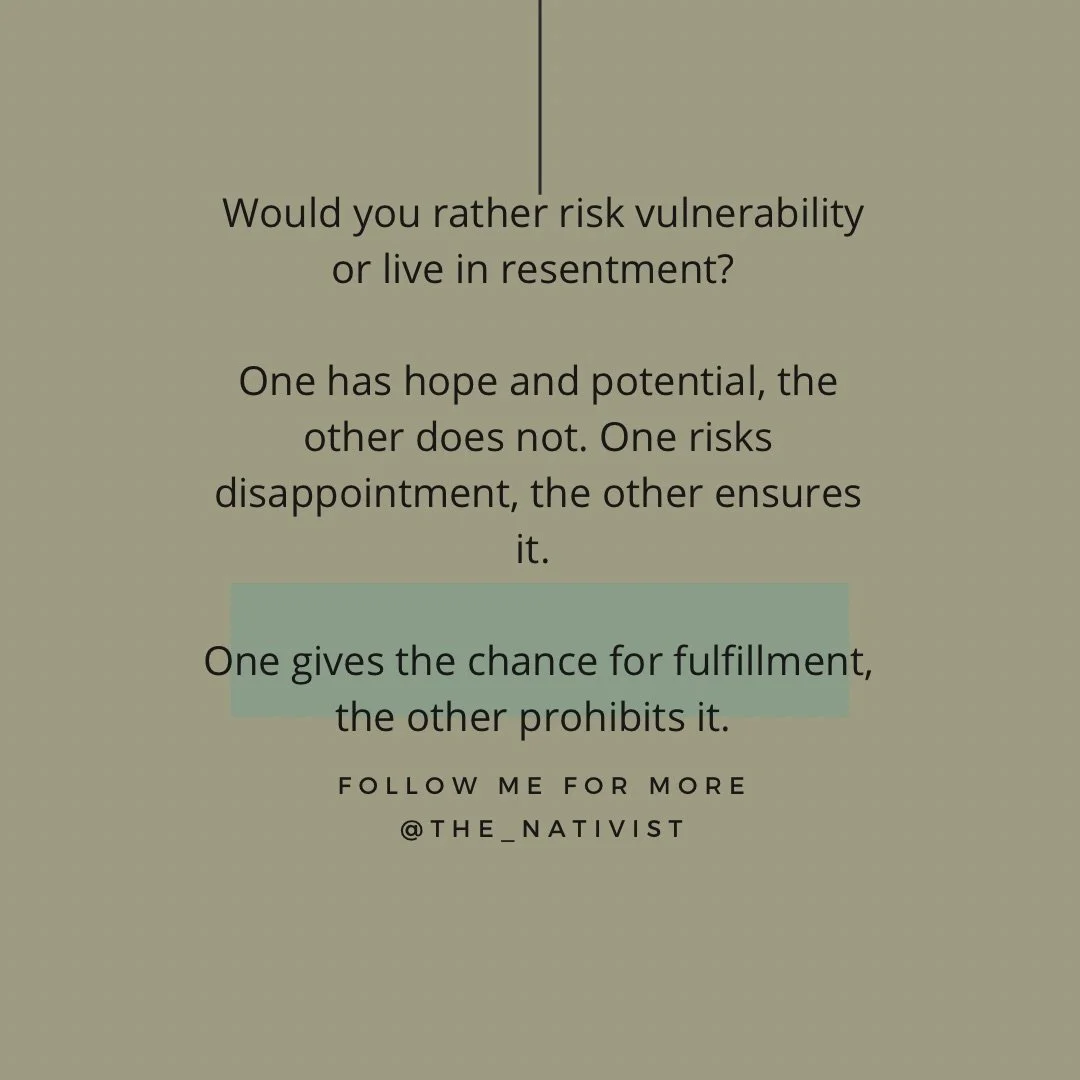
I ask such horrible questions in my “Would you rather…” questions every Wednesday on social media, not just for fun, but to highlight and respect the complexity of humanity, and to connect you to yourself and others. This helps us understand how things can’t and shouldn’t necessarily be reduced to good vs. bad, right vs. wrong. We need to allow for nuance and diversity of thought. We don’t all share the same values, experiences, strengths and weaknesses, advantages, disadvantages (our divided politics make that abundantly clear). We’re so similar, but we’re also so different. And understanding and empathizing with each other, showing each other compassion, does not mean we condone unacceptable behavior. Not at all. We must own our lives and our actions; we must be held accountable; we must hold each other accountable (ideally with respect).
This doesn’t mean we go soft on people who act egregiously. Nah. A simple hug and “I understand” will not stop a serial killer (or Putin). But understanding the problem, the pathology, the contributing factors - that’s responding intelligently, not reacting ineffectively. This shouldn’t be confused with softness or negligence. Not in the least. But mental health issues directly contribute to much of the criminal behavior. Understanding helps us respond effectively. Understanding helps us prevent it from happening again. Understanding helps us improve. Why not start at the grassroots level?
“Understanding the problem, the pathology, the contributing factors - that’s responding intelligently, not reacting ineffectively.”
It starts with us. It starts with you, with me. Society is made up of you and me. The world is made up of you and me. This is the driving force behind The Nativist: to connect you to yourself, and to connect you to others. To give you support, space, and inspiration to dig in to your shadows, your fears and insecurities, your values and motivations. This is how you change the world. When people don’t do this, their shiz bleeds over onto others. When people don’t do this, they start fights, they perpetuate conflict, they feed discord, they widen division - they INVADE UKRAINE, they gas their own citizens, they commit other atrocities. When we do the work ourselves and face our own shame and uncomfortable parts, then we can understand and relate to others, and show them grace. We can recognize our common struggles, wants, needs. Our humanity.
And again, all of this isn’t to say there’s no need for might and force. I’m not arguing that. I’m not advocating violence, but I’m also not so naive to think there is no need for militaries. In an ideal world, we would all do our shadow work and accept our common humanity. That’s unfortunately not how our current world works. I’ll leave it there.
Speaking of punitive measures, yes, it could be argued we should have been tougher on Russia. Yes, it could be argued we should have ______. But again, it’s also important to remember there are various factors to consider, like I listed before (our current economy and resources; consequences from past international interventions; Congressional support; political pressure; etc). Could Biden have done better? Possibly. I’m not arguing for/against him. Just like I’m not arguing for/against Trump. Both presidents have erred (humans err, to various degrees, to which I’m sure you personally can attest). I think it’s important to consider what drives their errors.
Putin didn’t radically transform into an evil power-hungry player the minute Biden was sworn into office. Russia didn’t suddenly become a threat out of nowhere. Let’s also look at past administrations (Cold War ring a bell?), and geopolitics in Russia and Ukraine. We’re wasting time, energy, and bandwidth by playing this immature blame game; by focusing on “But he started it” and “I know you are but what am I?” It never ceases to amaze me how politics (and social media and much media in general) can resemble playground antics. ENOUGH. For those of you saying Biden should’ve been tougher on Russia, where were you when Trump was particularly friendly to Russia in the past (again, Putin’s aspirations of domination have long been known). Where were you when Trump literally and openly called these latest attacks on Ukraine “genius” and “savvy”? For those of you deflecting blame from Biden, would you do the same if Trump took exactly the same approach?
Can you separate the person from the criticism? Can you prioritize objectivity? Can you identify your biases (we all have them)? Hypocrisy is rampant, and I’m beyond sick of it. Double standards abound. This isn’t just in Congress and in the media - it’s also in private conversations and social media posts. It’s everywhere. What’s one person’s protest is another’s riot. What’s one person’s financial savvy is another’s delinquency. Government, get out of my life - unless you’re regulating ______ to make my life easier . This goes for BOTH liberals and conservatives. BOTH have become extreme. Both were/are hypocritical. Both have focused not on what’s best for the country and its people, but on what’s best for the specific party and its power. Party preservation is the name of the game, truth and citizens and collective good be damned. (We allow/encourage this by whom we support, what we click on and read, and what we share and fund.) Ideologies, political parties, and politicians need our support to exist. Our views are too often shaped/swayed by incomplete (and even outright false) snippets and opinion pieces in the media. Since ideologies/parties/politicians require our support, then actions are based less on reality, and more on what we, the supporters, think reality is.
“Since ideologies/parties/politicians require our support, then actions are based less on reality, and more on what we, the supporters, think reality is. ”
Here’s a question for you I hope you fully and honestly reflect on. I invite you to sit with a moment, and notice any resistance. If your immediate response is “Absolutely not”. then that’s a sign you may need to dig deeper. Here it is: Are you more sympathetic toward certain victims? Toward certain refugees? Here’s where it can really get dicey and make you uncomfortable, but this is a key question, so thank you for staying with me: Are you more sympathetic toward those from a certain demographic/background? Possibly those who more closely resemble you, or fit a certain worldview? For example, are you more sympathetic toward Ukrainian refugees than Syrian refugees? Or Mexican immigrants? Thank you for caring enough to listen and think about this.
Some more questions, while we’re on the topic: Do you believe you chose where you were born, and into what circumstances? Do you think you would do whatever it takes to ensure your family’s safety? Your safety? Imagine living in terrifying or deplorable conditions, where you fear for your life, or don’t have basic necessities, like safe/sufficient food/water/shelter/security. Imagine raising kids in such a situation, innocent souls dependent upon you for survival. Imagine having no legal recourse, no authorities or official channels you can trust or use for help. What would you do? How are you different from them? I’m honestly asking, with sincere curiosity (though I realize we’re not talking face to face): What if you had the option to flee for safety, for opportunity, for survival? Would you be compelled to honor invisible national borders, simply because you were born outside of them? Because your children aren’t of a certain nationality? Or would you do everything freaking possible, whether you’re fleeing a dangerous dictator, a war-torn country, a corrupt regime, a tanked economy? Whether you’re a mother in Mexico, a human in Honduras, a sister in Syria, an under-attack in Ukraine? Let’s be clear: I’m not advocating for/against a certain policy, but I am asking you to reflect on how and with whom you sympathize, and on what you would do in parallel situations. It’s tough to level with ourselves - it really is. But it’s how we get better, and heal the world.
Speaking of tough stuff: Let’s also acknowledge how challenging it’d be to be president - so much on the line, so much to consider, so many entities involved. Yes, they volunteer for it and take it on, and yes, critiquing them is healthy and necessary for progress and accountability, but that doesn’t mean we should ignore/dismiss the colossal toughness of the job. And the factors and information we don’t have that they do, that affects their decisions.
Let’s also again acknowledge a very uncomfortable truth: America is not bulletproof. Declaring ourselves invincible is tricky: what we gain in national resolve and pride, we lose in self-awareness and humility. And we’re still relatively young. Past great empires have fallen, empires that were bigger than the US and around for longer. So let’s stay humble, let’s stay aware, and let’s stay respectful: of our challenges and our adversaries (it could even be argued we are our own biggest threat).
“So let’s stay humble, let’s stay aware, and let’s stay respectful: of our challenges and our adversaries (it could even be argued we are our own biggest threat). ”
Public policy can only do so much. Legislation can only do so much. Government can only do so much. They definitely have a role to play, but shouldn’t have the leading role in our lives. They can’t fix us or our situation, and hopefully we’re not relying on them to. This is NOT an argument on big government vs. small government. Governmental policies and laws can do good and provide value - but can’t fix the root causes. Laws are made by people: people with fears, insecurities, and biases - people we elect (driven by our own fears, insecurities, and biases).
We constantly hear/participate in debates on the best policies or laws we need to resolve our societal issues. It’s like expecting a therapist to solve your problems. They can give invaluable structure and assistance, but can’t do the inner work for you. Or it’s like counting on stretching to solve your hamstring problems. Sure, it can help - but it won’t cure it, or resolve the core issue, and it may even worsen it (if you’re doing it improperly, applying the wrong remedy, etc). You and I - we individually have choice, we have power, we have responsibility - and hopefully we also have compassion, curiosity, and care. Yes, people can work the system, but what factors drive that? Void, addiction, trauma, wage gap, capitalism, corporate greed. How can we address those voids? In ourselves/others? Individually/collectively? And how are you and I personally perpetuating the faulty system, intentionally or otherwise? We are society, remember?
“And how are you and I personally perpetuating the faulty system, intentionally or otherwise? We are society, remember?”
We’re creating the world we live in: how we interact with each other; what we consume and share; what we allow; whom we support; how we spend our time and money; what we focus on; what we think and say. It’s easy to project blame, it’s harder to accept it. It’s easy to cancel people for making mistakes, it’s harder to show grace, to allow for complexity, to engage, to understand. What if instead of calling out, we called in: to ourselves, and to others? Invited reflection. Accounted for where someone is now, rather than where they were? Allowed each other room for mistakes, but while addressing those mistakes? What if we left room for different perspectives, nurtured common ground instead of cultivated chasms? Think of our Founding Fathers. If we canceled them for owning slaves, does that mean we should cancel the Constitution? Disregard other good they’ve done? Ignore the context of their lives and actions? This does NOT mean we condone slavery (ABSOLUTELY FREAKING NOT) but context matters. Like it or not, we’re often products of our environment (hopefully we take accountability - but even so, we’re still deeply influenced). Think of when you’ve held mistaken beliefs, or screwed up. When we know better, we can do better. And what helps us know better is to removing those blocks to love, compassion, and growth, by doing shadow work, by connecting to ourselves and others, by approaching sticky issues openly rather than aggressively.. When we mess up (we all do), why would we cast somebody out, instead of engaging with them? Try to bridge that gap? I truly believe people aren’t good, people aren’t bad…people are people, who do good and bad things. People are complex. It may be an ego boost to pounce on somebody’s mistake and castigate them for it (privately or publicly). However, while the dopamine fades, the division remains. Yes, we should be accountable for when we do/say harmful things, but let’s also remember perspective; let’s also account for what led to the harmful words/action. Let’s consider the person behind it, and how that person feels about what they said/did. Sure, apologies and remorse may be performative - but time will tell. Are you perfect? Have you never said/done anything wrong or hurtful? I know I have - and unintentionally continue to do so. I still have work to do. We all do. As long as we’re alive. Let’s not let this discourage us, but encourage us. Because this (among many things) unites us (and we all know how desperately we need unity!). It means we’re still paying attention, and we still care.
Holy smokes. Am I long-winded or what?!! Bless you for lasting this long and hearing me out. Thank you from the bottom of my heart. I love you.
How to Avoid Letting Expectations Ruin Your Day/Life
Part of being a functional, happy, successful, ALIVE human is analyzing, anticipating, and, planning. Part of being a miserable, sad, resentful human is having unmet expectations. So…how do we encourage the former, not the latter? What’s the key ingredient?
Expectations (did you expect me to say that?).
In this episode, I talk about the sneaky ways expectations can screw with your health, success, and happiness - and how to avoid that.
Love you. Mean it.
-w-
Find me on Facebook and Instagram @the_nativist

Make Yourself Uncomfortable: Sneaky Ways Comfort Is Limiting You
Allow me to be the most inhospitable podcast host ever and invite you to make yourself uncomfortable. I do so with love and in service of your individual good, and our collective good.
Life is messy. Life can feel tough. It’s complex and nuanced and uncertain, just like us humans. When we rush to restore comfort, we weaken ourselves, limit ourselves, and invite trouble. What kind of trouble? In what small/big ways are we denying ourselves a full, rich, fulfilling life? How are you possibly contributing to your problems and our problems? What are our possible blind spots? How can we lean into discomfort? Why is it good for us? What are you missing out on? I answer all of these questions in this short, micro episode. You might know some answers, you might be surprised by some answers. Only one way to find out… Listen if you want to be the best you can be.

Living with ADHD
You might know someone with ADHD. You might have ADHD. You might not even know you have ADHD. In this episode, I dig into my personal experience with getting diagnosed with ADHD later in life (age 25) by two different doctors before realizing WHOA - I’m a textbook example of ADHD. If you’re like me, you maybe have/had a very limited understanding of ADHD and its various symptoms. This episode will help you identify those symptoms, understand them, and leverage them - whether personally or relationally (even if you don’t have it, you likely know someone who does, and understanding it helps ease frustration and maximize success on both ends). I only speak from experience. I am not a medical professional, so by consuming this content you agree to not take this as medical advice. Please consult your doctor.
Find me on Facebook and Instagram: @the_nativist

Rethinking New Year, New You
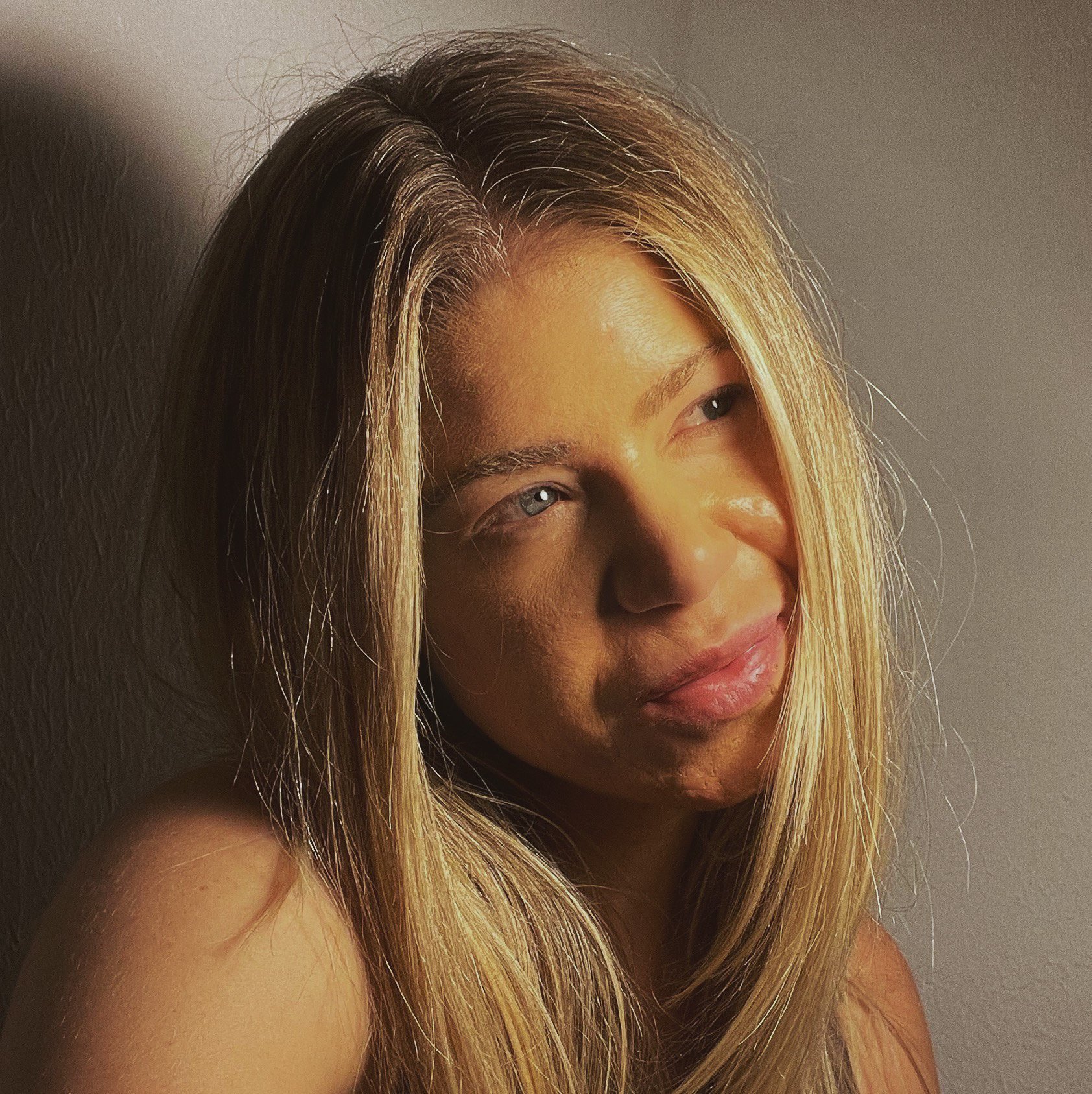
New year, new you.
Do you need a new you? What about the you that you are now? Do you respect this you? Understand this you?
Whether you’re making resolutions at the start of a year, or setting goals in the midst of one, there are some vital questions to ask yourself to make the process more effective, more enjoyable, and more meaningful. Like…do you need a new you or a new process? A new perspective? Maybe all of the above?
In this episode I offer thoughts, questions, and insights for you to consider as you reflect on your self/your life.
Thank you for listening.
Find me on Facebook and Instagram: @the_nativist
Loyalty
Image: Brooke Richardson Photography
What does loyalty entail? What should it entail? Loyalty to a partner, to a friend, to a brand, to a vendor, to a family member, to a country, to a cause, to an ideology…
As with most topics, it’s nuanced. It can be contextual. It’s tempting to simplify and reduce it, but that often ignores reality and limits us: our understanding, our growth, our relationships, our empathy, our compassion, our progress, our wisdom, our lives.
What does loyalty mean to you? To those in your life? Do your definitions align? What’s a deal breaker for you?
Should it be conditional? Should it be blind? Should it be all encompassing?
Thank you for listening.
Find me on Facebook and Instagram: @the_nativist