A Match for Your Mountain
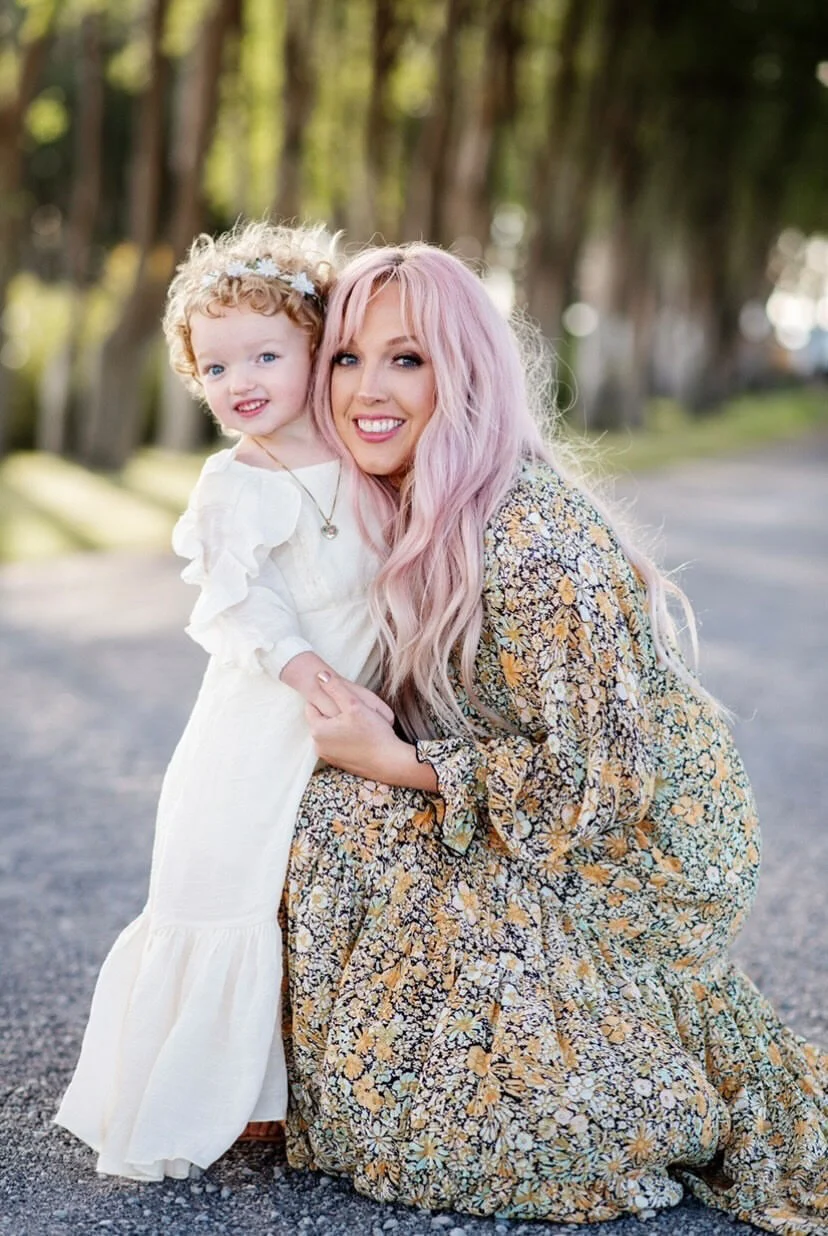
Suddenly being told to rush your “healthy” baby to the ER because those seemingly minor symptoms actually reveal a serious, lifelong condition would unnerve virtually any parent, especially if you’re a first timer.
Roman Ternus is one special girl in her own special way (you’ll see what I mean in the intro). She sparkles, she dazzles, she charms, and she inspires. She is full of life and light, undeterred by life’s curvies thrown her way. Diagnosed with Type 1 diabetes (T1D) at only one year old, Romey learned early on how to roll with the punches. Romey and her equally lovable and inspirational mother, Jeminee, share their climb.

By listening to this episode, you’ll get even more than just a cute, motivating story from a cute, motivating girl. There are many important messages in here: accepting and re-framing life’s challenges; recognizing and leveraging your inner strength; embracing and cultivating your partnerships; accessing and channeling bravery; and respecting and heeding your intuition. You’ll also hear important signs to look for to detect T1D.
Jeminee tells us her initial thoughts and reactions, and how she sustains her strength and gratitude through the demands of caring for a child with T1D.
This episode is a story of resilience, of hope, of hope, and of gratitude, and it serves as a powerful reminder YOU are a match for YOUR mountain.
Below is the full video to the audio snippet you’ll hear in the episode’s intro (so you can really see little Romey shine!). Find this and more on Jeminee’s Instagram page: @jemified_
Thank you for listening. Thank you for caring.
-w-




Toxic Venting vs. Healthy Venting
Are you a toxic venter or a healthy venter?
You may know how important feeling and processing your emotions are. Repressing them just allows them to metastasize and eventually explode in a bigger and uglier way. Venting can help you gain perspective and clarity, and assist you in moving forward and healing. Venting can be necessary. Leaving emotions/frustrations/anger bottled up can be toxic - but so can venting if we do it a certain way.
In this episode, I highlight specific signs of both toxic venting and healthy venting, and suggest different ways to release that pressure valve to leave you feeling lighter, happier, clearer, and freer.
The Revisionist History episode I reference at the end is titled Episode #25: Free Brian Williams, from June 7, 2018 (full transcript here ).
I love you.
Thank you for listening! You can find me on Facebook or on Instagram @the_nativist
Dare to Follow

Leadership is a sweetheart topic. We’re inundated with advice and resources and guidance on being an effective leader. We’re taught to seek to lead, not follow. We’re taught to value leading over following; to respect leaders more than followers. And while there’s merit and value in striving to aim high and lead (in whatever form that takes: in your own life, in a team, etc) there can be just as much merit and value in following (particularly in the discernment of knowing WHEN to follow versus WHEN to lead - that’s important).
We can’t all be leaders all of the time. What chaos that would be! And what a disservice to us, to our happiness, our development, our breadth and depth of life experience, our psyche, our friggin’ SANITY.
How can we be well-rounded, balanced, (physically and emotionally) healthy human beings if we only serve (or try to serve) in the same capacity? What a mess that’d be. And stunting for our growth (mental, physical, emotional, spiritual).
In this episode, I highlight the value of following, and its overlap with leading (leading can be following and following can be leading!). I emphasize the importance of deciding your own definition of success, and understanding others have theirs. I explain how we can lead by following - and the key that differentiates a strong follower from a mere sheep (this same key also makes you good leader). This episode may be short, but it’s still deep.
Thank you for listening!
Find me on Facebook or Instagram: @the_nativist



Lead Laugh Love

Leadership. It’s often glorified and discussed, often regarding a formal role, position, or status. How reductive and limiting.
No matter what organization you’re part of, or group you belong to, or title you have/lack - YOU are and can be a leader - at the very least, the leader of your own dang life.
In this episode, I highlight various ways we can lead from where we stand, no matter who we are or what we do (some will likely surprise you). I outline subtle and overt ways we can directly/indirectly influence those around us and the world at large.
I suggest ways to empower yourself and take control of your life, to live it on your own terms.
We’re all leaders. This isn’t saying we all deserve trophies and can phone it in. No, it really is about the different ways we can each lead - from where we individually stand. It’s about trying, doing your best, reclaiming your power, taking responsibility and owning your life.
Lead on.
-w-
Find me on Facebook and Instagram (@the_nativist)


Less Sweet More Heart

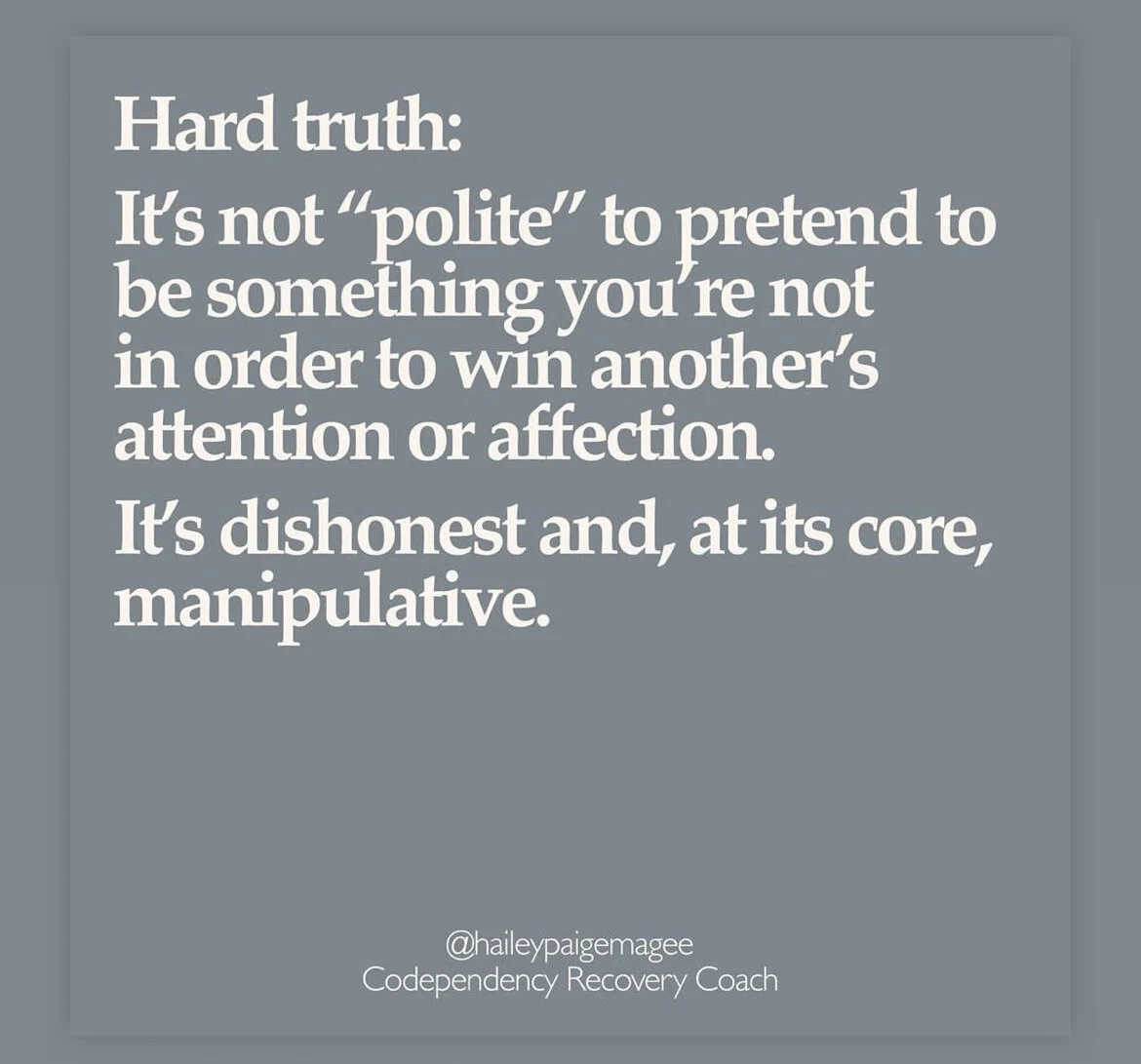
Do you equate being sweet with being a good person? Do you ever say yes when you want to say no? Do you ever strategically place exclamation points to appear nice and upbeat? Do you ever say you'd love to make plans when you really wouldn't? Do you ever feel like you give give give while others take? Do you find yourself feeling resentful, or passive aggressive?
In this episode I talk about how sweetness can be misleading and even damaging, particularly when it stems from fear and anxiety rather than authenticity and values.
I discuss how it can be problematic and limiting. I offer guidance on living more authentically and kindly without being aggressive or sacrificing yourself to sweetness. This will nurture respect and deepen connections, in relation to yourself and others.
Find me on Instagram @the_nativist

The Instagram post I reference in the episode is:


Go.Connect.Win.

I’ve said it before and I’ll say it again: connection is key. It’s why I constantly pose the questions I do: on here, on social media, in person. Even my Would You Rather Wednesday questions (I post weekly on my Instagram and Facebook stories) have purpose. Sure, part of it is just to have fun, but the larger part is to connect you to yourself. To deepen your awareness of yourself. To assess and realize your views, to facilitate your familiarity with your fears, your values, your hopes, your possible blind spots, your biases, your…everything that makes you you.
We’ve heard it before: changing the world starts within, with us individually.
In this episode, I talk about how connecting first to ourselves, and then to others:
heightens our happiness and sense of meaning and fulfillment
strengthens our relationships
nurtures our understanding of self and others
lengthens our lives (it’s science, baby)
clears the layers blocking connection to others
lessens divides
facilitates solutions
informs choices
improves, you know…EVERYTHING
I offer questions to ask yourself to gauge how connected you are to yourself. I give guidance on how to [further] connect to yourself, so you can show up authentically, as well as suggestions on how to connect to others. I get personal about times I’ve felt disconnected and how that’s impacted my life and relationship.
So instead of go fight win, the new slogan is GO CONNECT WIN.
Find me on Instagram @the_nativist
Love you. Mean it.
-w-
The D Word

In this solo episode, I talk divorce in its broadest sense. Not just the dissolution of a marriage, but the “conscious uncoupling” (great term, Gwyneth Paltrow and Chris Martin!) from anything that no longer serves you: one-sided friendships, toxic habits, regressive thought patterns, unhealthy practices, stagnant jobs, outgrown partnerships, etc.
I suggest helpful questions to ask yourself to effectively approach and navigate the situation, and to help determine if a divorce is needed (again, divorce in the broadest sense).
I offer angles to consider and solid steps you can take (including a specific activity you can do) to [re]claim your power, promote your healing, and serve the highest good.
Mucho love to you all.
-w-
Indigenous Voices Series Part 2

In this second part of my Indigenous Voices series, I spotlight Sequoia Dance-Leighton, an enrolled member of the Shoshone-Bannock tribes, a descendant of the Assiniboine Red Bottom clan, and a resident of the Nimiipuu (Nez Perce) land. With a bachelor's degree in human development and a master's degree in social and cultural pedagogy, she is now pursuing a PhD in cultural studies and social thought in education.
It's a longer episode than most, simply because it was such a fun, easy, stimulating conversation and I didn't want to stop! This conversation is packed with subtle yet profound life truths.
Sequoia describes how being of mixed descent impacts how she perceives and how she feels perceived, all while she works to fuse those two worlds. She shares her story of connecting with her native heritage and cultural identity. She outlines her approach to balancing: ancient wisdom with newer perspectives; older generations with younger cohorts; professional ambition with self care; and social activism with personal boundaries.
Sequoia tells us about working with the youth and striving to amplify voices that are usually silenced. She gives tips on avoiding micro aggressions and complacency. She explains settler colonialism, and offers a fresh take on viewing the earth and those who call it home. We emphasize the enduring wisdom of indigenous people, and the importance of seeking it out, no matter your ethnicity or location.
This may seem like a niche episode, but its relevance and applications are anything but. If you enjoy it half as much as I did, you'll really dig it.
You can find Sequoia on:
Instagram: @therealrezwife
Twitter: @SequoiaDance
TikTok: @realrezwife
Resources mentioned in the show:
native-land.ca : to find native land on which you live
Chelsey Luger: a trainer/facilitator for the Native Wellness Institute, and the cofounder and editor of Well for Culture.


Indigenous Voices Series Part 1

In a world of worthy causes, the indigenous voice is often drowned out. This series aims to illuminate it.
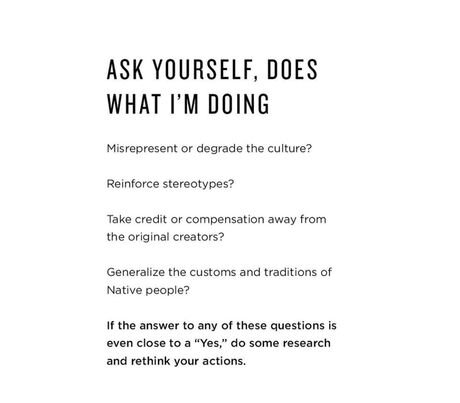
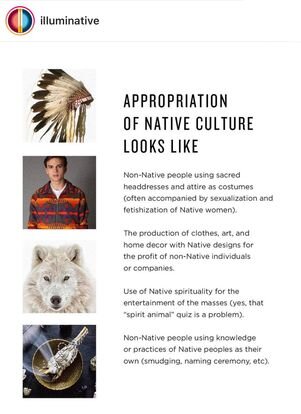
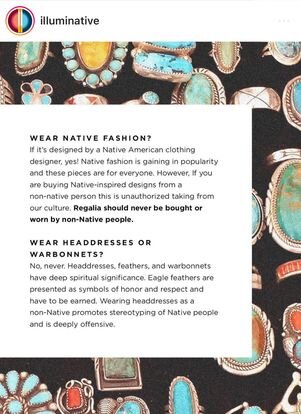
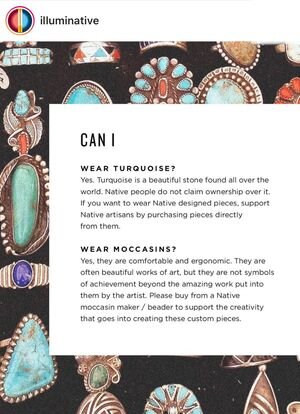
If you're interested at all in being a more informed and respectful human, this is a goldmine. Elise Blaser returns to share with us her indigenous perspective from a cultural, historical, and personal standpoint. She tells us about growing up in both Canada and the US while having both native and Caucasian blood. She outlines common disparities and misconceptions surrounding indigenous culture and people, and ways in which we could unwittingly be disrespecting those cultures (some may surprise you!). She highlights her favorite cultural aspects, and how non-natives can partake without disrespecting. We reference the @illuminative Instagram post (see below) distinguishing between appreciation and appropriation, citing concrete guidelines and frequently asked questions (like if it's okay to wear moccasins or smudge).
Rather than preachy and critical, this conversation is lighthearted yet deep, educational yet engaging, and fun yet reverent. And critically important.
You can find Elise on Instagram @eliselilaa

Illuminatives
Instagram post from March 31, 2021

The Depths of Despair
Light and love and…despair.
Despair. I sure as hell have felt it (I don’t say that glibly - I mean it). Chances are you’ve also felt it (to whatever degree). If you haven’t (yet), you likely know someone who has/is feeling it.
It’s part of the human experience, so let’s respect it, and let’s talk about it: for ourselves and for others.
If you’re seeking a message of hope, this is for Y O U. I had no idea what to speak on today, so I said a quick prayer for insight on what message was needed. I took a couple of deep breaths and “despair” floated through, immediately and clearly.
This initially threw me off, because it doesn’t resonate with my current experience. However, like I said - I’ve been there. And like almost all of my content, I don’t usually share what’s reflective of my current situation - I let my intuition guide me to what’s resonant for yours. And it’s always delivered.
In this episode, I open up and tell you my relationship with despair, and how despair has shown up in my life. I also offer a tried-and-true, CONCRETE action you can take when feeling lost/frustrated/hopeless/defeated/untethered - or just “off.” Works [for me] every.single.time.
I identify why I started The Nativist, and how that relates to you.
Thank you for showing up and doing what it takes - for yourself, and for those around us.
-w-
Heal for Real
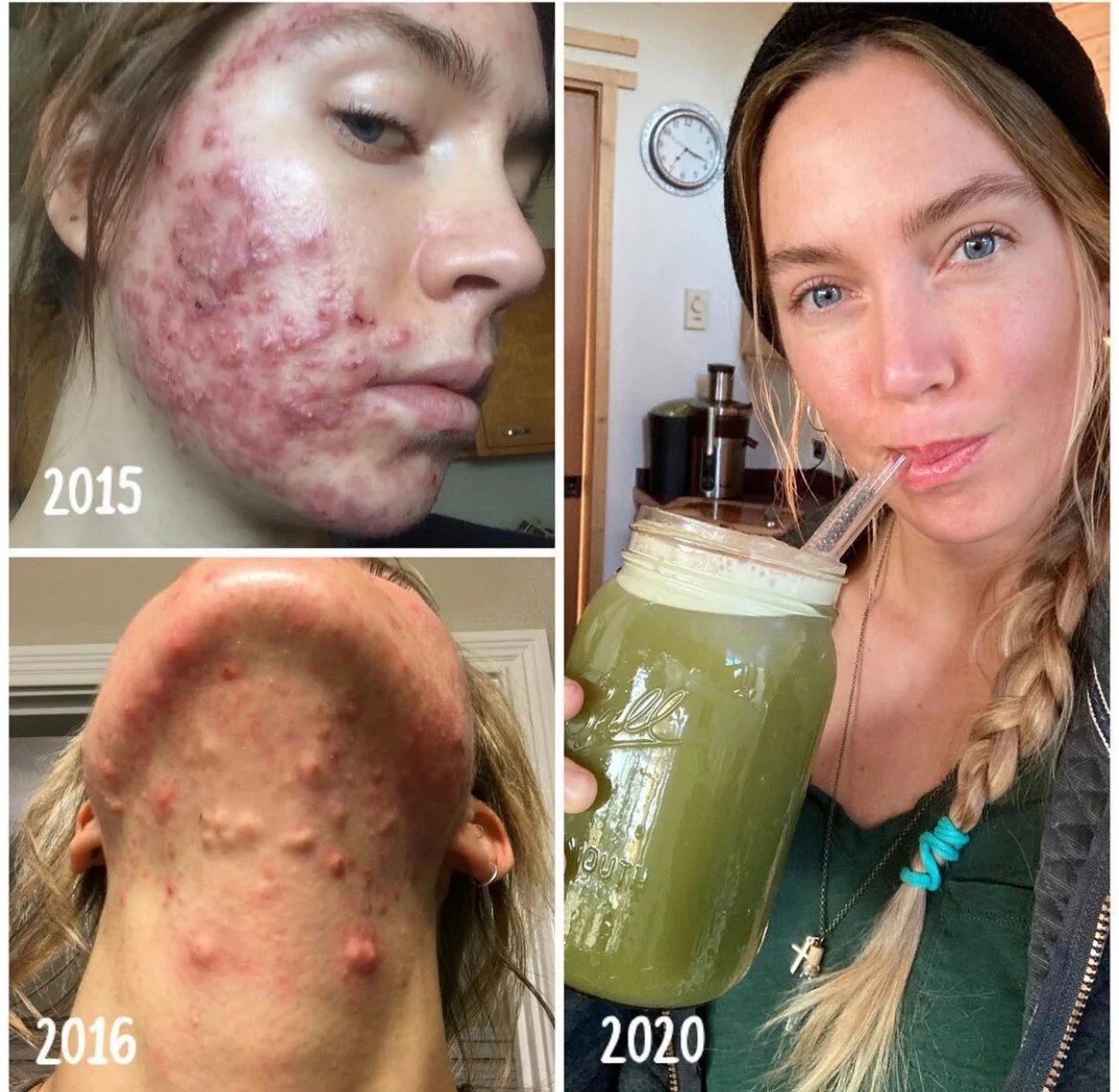

This is for you if: you’re always tired - no matter how much sleep you get; you have more questions than answers regarding your health/body; you’ve ever experienced chronic illness/pain; you feel like you’re battling your metabolism; you have lingering health questions that are never quite satisfactorily answered; you feel OK now but want to feel as great as possible in 10, 20, 30 years; you want to optimize your health and nutrition; you feel like you’re at war with your skin (this is especially for you)
And if you love inspiring stories - you’ll like this.
In this episode, I talk to Jackie Lee Gibbs, who shares her self-transformation journey of healing from severe acne following the Medical Medium protocol. Jackie tells us what she did to radically transform her skin, and how doing so led to an internal transformation as well.
Though we do talk skincare, this conversation extends far beyond that into general health and wellness. We discuss facing and navigating adversity, trusting yourself and your body, investing in your health, and leveraging your experience to help others.
More than anything, this episode is a message of hope: for those of us feeling discouraged/betrayed by our body/lost/overwhelmed/confused. This is for you.
I highly encourage you to further explore the Medical Medium’s work, whether through his blog here , his Instagram account @medicalmedium, his podcast (iTunes/Apple Podcasts/Spotify), or his books. Your mind will be blown. I spent several years and countless hours seeking and researching answers, seeing multiple specialists and spending thousands of dollars, only to end up with no relief or answers for my health issues. The answers I received never quite explained everything or fully connected. It was only when I read Anthony William’s (the Medical Medium) information that everything.finally.clicked. Everything.
I’m a believer.
You can find Jackie on Instagram @myskintruth where she shares tips on caring for your skin internally and externally, gentle skincare and skin-healing tools, healing plants and recipes, skin-healing inspiration and compassion, kitchen tips and tricks, the healing process, and her self-transformation journey. If you’d like to work with her, you can contact her via her website here

Taking Accountability and Regulating Our Emotions
This post (and it’s corresponding podcast episode) is per request - and is also actually a specific topic I’ve really wanted to tackle.
Today we’re talking about taking accountability for our actions, and for regulating our emotions.
And as you’ll soon see, there is so.much. to cover here. It’s good stuff, so let’s dive in.
Below, you’ll find a transcription to this episode, so you have the option to read/listen!
You might’ve heard it’s not what hand we’re dealt - it’s what we do with it. We’re not responsible for the initial hand we’re dealt, but we are responsible for how we play it. It’s on us to do something with it. (This right here is a whole other conversation about privilege, drive, luck, agency vs. destiny, etc - but we’ll stay on the surface here.)
It’s easier to blame than it is to take accountability and do the work. And sure, there are legitimate sources of blame, and legitimate challenges (trauma, etc) we’ve experienced that have caused our situation. This doesn’t discount those. Those should be acknowledged and emotionally/physically/psychologically processed, etc. Also, this is pretty nuanced and not always as simple as just willing your way through something. but at the end of the day, still, to truly heal and move forward is up to us. And sometimes (and often) moving forward comes through seeking/accepting the help and resources we need, at least to give us a solid footing. While seeking and receiving may seem passive, and may seem like offloading the responsibility - that’s just not so. They’re active approaches to healing and resolution. We can be surrounded by the best resources and help in the world, but unless we let it in - it’s useless. and the letting it in is entirely up to us.
Let’s tilt this to a slightly different angle. Let’s talk about when people do us dirty, or create the problem. I just got done with my addiction series. Part of this included the perspectives of wives of addicts. Far and away, the most effective and powerful approach and resolving factor were the wives attending to their side of the street. Did they cause the issue? No (though this can get nuanced in many cases, as there are multiple contributing factors in situations involving addiction). But what/whom we’re talking about here, no - the wives were victims here, so to speak. Are they justified in getting angry and blaming their spouse? Sure, absolutely. And it’s important to feel your feelings and express them as necessary, and to not try to good vibe your way out of it, thereby repressing emotions. All emotions serve a purpose and have value, and repressing them only delays (and often magnifies and worsens) their expression. What we resist persists. They’ll come out eventually - usually at a greater magnitude and worse moment. But these wives credit their survival and current mental wellness with working on themselves: seeking therapy, turning inward, etc. They reflected on their own issues, and how those issues were impacting the current situation, and their reactions to the current situation.
For one of the wives, this meant she ended up taking her baby and leaving her husband (which took remarkable strength and courage, considering how young she was and what little she had). Now, she’s healthy, happy, and newly married. She took ownership of herself and her situation. Often, these tough times are gifts because they reveal what isn’t working, and (sometimes forcefully) nudge us into facing and handling that. One of the wives stayed with her husband, and he credits her individual self work for his sobriety. He told me his wife’s “working on herself” was the best thing she could have done because I noticed and wanted to be better as well, which was a huge factor [in] why. I tried to give up alcohol many times before, and when she was finally healed enough to leave, I became strong enough to quit.”
And that’s important to note too: Our actions have ripple effects. We have the power to inspire and uplift others. When we take care of ourselves, that radiates to those around us, and affects the world. When we rise, we can take others with us. Not that that should necessarily be our reason why, but it’s a beautiful secondary motive.
Now let’s talk about when someone says/does something that pisses us off. Bums us out. Triggers us in any way. We often hear (and might even have said): “You made me so mad.” “You hurt my feelings.” “You made me ____ (fill in the blank).” In reality…they’re the stimuli - and how we react to that stimulus is ultimately up to us. As in any scientific experiment, the stimulus is different from the reaction. Different forces. Different entities. And so it is here. Our reaction is and should be separate from what stimulated it.
You might’ve heard the quote by US First Lady Eleanor Roosevelt, “No one can make you feel inferior without your consent.” To give more context to this, Eleanor was responding to reporters’ questions regarding an awkward event in 1935. The Secretary of Labor in the Roosevelt administration was invited to speak at the University of California, Berkeley on the Charter Day of the school. The customary host of the event was unhappy because she felt the chosen speaker should not have been a political figure. She refused to serve as host, and several newspaper commentators deemed her action as a rebuff and an insult. Eleanor was asked at a White House press conference whether the Secretary had been snubbed. “A snub” defined the first lady, “is the effort of a person who feels superior to make someone else feel inferior. To do so, he has to find someone who can be made to feel inferior.”
Another analogy that comes to mind for me is the stimulus (the word/action) is the seed and we are the soil. Whether that soil is fertile (for offense, reactivity, etc) or infertile (repellant to offense) is up to us. And there are quite a few contributing factors to our soil’s fertility, or lack thereof. A reaction is not predetermined and is not automatic. There is space between the stimulus and the reaction. Within that space, power is transferred from the stimulator to the receptor. In the space, we as the receiver get to determine (however consciously and intentionally is up to us) our response.
Here’s where it gets tricky: sometimes that response is hijacked by our subconscious. Our fears and insecurities override our logic, our reasoning, our values, our best intentions. Perhaps our unhealed trauma wounds are triggered, and those are POWERFUL, especially if incurred during our formative years in childhood. We largely and often can’t control if/when we experience trauma, to whatever degree it is. I am in no way victim blaming here - ABSOLUTELY NOT. But for us to extricate ourselves from its chains that strive to control our lives - we must first recognize, and then own it. And this comes through shadow work. Through introspection. Through facing ourselves. Through digging in and getting honest. This process is typically helped by professionals, and trusted loved ones (especially if the trauma is significant). They can illuminate our blind spots, maintain objectivity, and maintain necessary and beneficial objective distance. Even with their help, though, we’re still responsible for doing the work.
As you’ve likely figured out by now, what happens in our formative years affects us today. One of the best ways to get to know someone is to ask them about their childhood. I personally had a fantastic childhood with wonderful, loving, involved parents. However, like virtually everybody else, I still have my stuff. I still have triggers and hangups I’ve had to work through. It’s not always necessarily a reflection of the efficacy and love of your caregivers. None of us make it through life without some wounds. Sometimes, they’re just surface scratches, merely getting our brief attention. Sometimes, they’re bone deep, and if we don’t properly treat them, they worsen and become infected, and that infection spreads, affecting what’s nearby.
For me personally, I would often feel unseen and unheard. As part of this, I also outsourced my validation, and was very reactive. Reactivity is a sign of poor self-emotional regulation. If our moods and our actions and our words depend upon people/situations outside of us, we’ve ceded our power. We’ve ceded our calm and our happiness. We’ve ceded our stability. Only when we can practice that pause, to grant us space between what happened, and how we will handle what happened, will we be empowered. When we respond, rather than react, we feel better and do better. Part of this is recognizing the separation of the stimuli, our thoughts, and our actual core self. If we maintain this distance, we can ascertain when our fears are trying to hijack, when our insecurities are trying to cloud. Otherwise, we’re tossed around by the ever-changing winds, at the mercy of situations and people.
I can tell you from personal experience what a freeing feeling it is to reclaim your power and maintain that calm in the storm. It feels better for you, it feels better for others. Our actions have ripple effects. We don’t live in a vacuum. So you can imagine the compound effect of reactives interacting with other reactives. No wonder we have the division and discord in our world: in relationships, in communities, in business, in politics, in friendships, in religion. We can be powerful catalysts for change, on a micro and macro level, simply by learning to regulate our emotions. Defusing situations by remaining grounded and aware.
Self awareness is key, and not everyone is fully self aware. We’re all at different parts of our journey, to put it euphemistically. In a recent relationship, I saw firsthand - from the other side - how destructive poor emotional self-regulation can be.
A little bit of a back story. Codependency can manifest in various ways. I was codependent in the sense I was a “fixer” and derived my sense of value and worth from fixing, from accommodating, and from caretaking. This is good to an extent, but not in excess, and not to the point of self abandonment. Neither wins when only one set of needs/wants is being met. In a way, I was using that “fixing” and self-denying to regulate my emotions: to feel needed, to feel valuable, to feel desirable, to feel in control, to feel indispensable.
On the other side was my boyfriend, who was codependent in the sense he wholly depended upon externalities to determine his mood, sense of self worth, and identity. I know why he was the way he was (family dynamics in the formative years for the win). I empathize and feel for him. Even so, it was tough to experience. For BOTH of us. Frustration abounded on both sides.
On my side, I’d feel enormous pressure to accommodate his insatiable need for validation. A simple compliment wasn’t enough. Nope. Each one needed to be multi-sentenced, deep, fresh, nuanced, and heavy-hitting. Every single one. Multiply this by 15 or so - A DAY. It was exhausting - which is ironic, because genuine, heartfelt, customized acknowledgements and compliments are my thing. But this just felt forced, and pressured, and required. Don’t get me wrong, he gave what he expected. He could be the king of compliments. But it all felt so heavy. For someone who loves swimming in the depths, pretty soon I was gasping for air.
If we didn’t have the exact same opinion, he’d take it as a personal attack. A condemnation of his taste, his character, his judgment. He wouldn’t directly communicate this - because he needed external harmony for his internal peace. So nothing ever truly got resolved. He’d say one thing and mean another. Not because he was trying to deceive or lie or put one over on me. He was trying to fulfill his idea of what a perfect boyfriend, a perfect son, a perfect citizen, and a perfect employee would do/say, whether or not that reflected his truth. He NEEDED people to view him a certain way because he needed their approval for his own. Their validation of him translated to his validation of him. He didn’t dare to let his true feelings and self show, for fear those would be judged, condemned, discounted, dismissed, and found lacking. (I think many of us can relate to that - humans have worn masks long before COVID-19.) Therefore, he wasn’t truly expressing himself. We could never truly connect, because connection requires authenticity.
He had an internal script he needed the world and its people to follow for him to maintain peace and happiness. As a fellow world dweller, I’m sure you know by now, the world obeys NO script. If we have a script, it laughs and flips the middle finger. Life happens. And people have agency and their own wants/needs/fears/problems/objectives. We’re all just muddling around together. Sometimes those factors align, and often they clash. C’est la vie. We can’t control others - only ourselves. And that right there underscores the importance of learning how to regulate ourselves, and not cede this power to others.
Though he never communicated the content of his script, I’d sense it. And just like I loathe others telling me what to do, this was no different. Not a recipe for romantic bliss. I felt exhausted and resentful for all he required of me, and he felt unfulfilled and unsupported. My resentment would grow, and his frustration would increase. I remember one particular argument wherein he criticized me for “making” him feel and react a certain way. I pushed back, cited Eleanor Roosevelt, and asserted no one can “make” us feel anything - our response is up to us. He clearly let me know he did not agree.
As with anything else, this is nuanced. It’s not as easy as just emotionally distancing ourselves from anyone or anything with which we interact. There’s actual value in being affected by situations and people. It’s an integral part of empathy, and connection, and progress. Feeling inspired by a friend’s win, feeling gutted by a community tragedy, feeling uplifted by a stranger’s remark.
What we’re talking about here is the RESPONSE, not the initial reaction - both internally and externally. Knowing our worth doesn’t fluctuate - it’s constant and it’s real - whether or not you/others see it at any given time. It doesn’t depend on what you do, what you say, what you believe, what you achieve, what you look like.
Really, any time we’re triggered, fear is the underlying emotion. Fear of physical/emotional pain. Fear of not having enough to meet our physical/emotional needs (prompting a scarcity mindset). Fear of the unknown and how it could affect our current wellbeing (nurturing xenophobia). Fear of being deemed inadequate (causing shame).
So let’s think about shame. Shame is what happens when we view ourselves through others’ eyes. What if you removed that filter? What if instead you asked yourself - and only yourself - if you’re okay with that action/characteristic/thought? If it/they align with your values, or if they contribute to the kind of person you want to be, or if they harm others? If your opinion was the only one that mattered, are you okay with the person you are? With what you’ve done and how you did it? With what you do and how you do it? With who you are? When you think of your ideal self, is that conceived by you or others? Are you able to separate others’ views/expectations from your own?
It’s not your job to like me. It is my job to like me. And vice versa. You’re not obligated to like me, and I’m not obligated to try to get you to like me. And vice versa. It’s not your job to scale my walls to give me love. It’s my job to open myself up to receive love (all kinds of love: familial/romantic/platonic). And vice versa. This opening to allow love comes from shadow work, self reflection, self awareness, self development, self acceptance, and self love. All inside jobs.
People can be fickle and mercurial. They can be blinded by their own fears/insecurities/distractions. They have their own stresses and worries. They can get hung up on certain surface characteristics, certain defensive mannerisms, certain societal detractors, certain psychological disruptors (in themselves/others). We don’t always clearly see others (because we often don’t clearly see ourselves!). Many are simply reacting, rather than responding. And then others react to those reactions, and so on. Dominoes action. Chaos, right?
But we can do our part to mitigate and lessen that chaos - by taking responsibility and being accountable for ourselves, and our responses.
Two concepts that changed my life are: impermanence and subjectivity. Before, if I got rejected for a team, or an opportunity, or a _______ (personally/professionally), I’d accept and internalize defeat. View that “ruling” as final and binding. Not anymore.
Now I accept “defeat,” sure - but I keep it contained and in its appropriate context. I don’t view it as an attack on my worth, identity, or ability. I accept it and move on - either in further pursuit of that same objective (if that’s what I truly want) or another (if I choose to redirect). I use the feedback to adjust and improve if necessary.
I also recognize it’s all subjective: others’ personal/professional opinions of me. No matter how accomplished or experienced or cool they are. Humans can do miraculous feats (learn new skills, master existing skills, etc) when properly motivated. We all have so much power and potential - independent of others’ opinions. Another’s recognition of this and acceptance of us doesn’t diminish this.
Let’s not outsource our acceptance, our validation, and our happiness.
And sometimes others will hold us accountable, as they should. This can be uncomfortable at best, and infuriating at worst, especially when it comes to our unconscious biases, especially regarding racism and sexism. We all have blind spots. We all have biases - they’re a cognitive requirement of being human. But rather than getting triggered, let’s filter those accountability call outs through that pause between stimulus and response. Let’s examine if and why it resonates with us. Let’s examine if and why it angers us. Let’s examine if and why it saddens us. Let’s analyze it as objectively as we can (we’ll never achieve full objectivity, but shooting high helps elevate our landing spot).
And while we’re at it, this is a solid and key practice for every other situation in life. If we find we’re triggered by someone/something, it’s incumbent upon us to delve in and identify why, instead of offloading onto the offender and others to regulate our emotions and to adjust to our “script” (sound familiar?). If we don’t want others to do that to us, why would we expect them to allow us to do it to them? For example, if we see a scantily-clad woman feeling herself and posting a selfie, and we feel disgust - that has NOTHING to do with that woman or her actions, and everything to do with our response to it. What’s driving our disgust? Envy of her confidence and audacity to shatter the shackles of society and its [fickle] beauty/decorum standards? Envious because we ourselves don’t dare to do so? Insecurity with our own body? Moral indignation she is dressing immodestly and not respecting our belief system?
This doesn’t mean we accept responsibility and blame for everything that happens. Not at all. It simply means we can only control ourselves, and for our own health, wellbeing, stability, and happiness, we have to take ownership of ourselves. This is so we can lessen our reactivity and triggers. And this doesn’t mean we must always remain stoic and reserved and nice. NOPE. We’re humans. And sometimes strong situations call for strong responses.
And you may have heard me speak repeatedly on the importance of boundaries. They are PARAMOUNT to our individual and collective health, wellbeing, and success. IMPERATIVE, y’all. They allow us to set boundaries without being consumed and leveled by guilt and people-pleasing instincts (thereby saving our precious bandwidth for what truly counts and preventing suffocating resentment when we’re maxed out and not acknowledged by those we’re pleasing). They also allow us to respect when others set boundaries with us (because none of us are perfect, remember? Nor omniscient). Boundaries are for our individual and collective good. They allow us to reserve our time and energy for what we need to focus on, thereby helping us be more compassionate, less depleted, more fulfilled, and more effective.
The Internet has a wellspring of self-regulation options and guidance. Here are a few tips:
Acceptance and curiosity. First step, accept. ALL of our emotions are messengers, conveying valuable info we can use to improve our understanding of ourselves, the situation, and possible solutions. And by staying curious, this eases the weight of the feeling(s). It infuses it with wonder, which makes it more enjoyable, and motivates us to explore further (thereby hopefully preventing - or at least reducing - future occurrences). It also shifts the focus from problem to possibilities, from misery to musing, from suffering to solution.
Regulation over repression. Like we said before, what we resist, persists. Repression just kicks the ball down the road, and facilitates festering.
Identify your feelings. As Daniel Goleman, PhD and two-time Pulitzer Prize-nominated author and science journalist advises, recognizing and naming your emotion arrests the progress of the “negative” feelings. When you feel yourself getting angry, simply saying, “I’m getting upset” shifts the energy from your emotional center to your verbal cortex. BOOM. Life hack.
Keep a mood journal. This will help with venting, with recognizing triggers and patterns, and with illuminating blind spots.
Seek insight from a professional or trusted loved one. Therapy is a yes for EVERYONE - whether you feel you need it or not. They can listen objectively, provide perspectives to consider, and give guidance on effectively reframing and navigating it all. But if you’re not jazzed about that - for personal or financial reasons - a trusted individual can also offer valuable feedback on aspects about yourself/situation, and illuminate blind spots.
Allow yourself space - literally and figuratively. This is important. Sometimes situations demand immediate attention/action - in which case deep breathing is key - but otherwise, time and space to collect your thoughts and connect to yourself can make all the difference, both in how you feel and how you respond.
Breathe. Breathing is shockingly simple yet astoundingly effective. Whether you want it to or not, breathing deeply activates your parasympathetic nervous system. This signals your brain to tell the anxious part you're safe and don't need to fight, flee, or freeze. Deep breathing gets more oxygen to the thinking brain, so you’re able to respond more effectively and feel better doing it. There are various methods: box breathing (eg inhale 5 seconds-hold 5-exhale 5-hold 5 and repeat); inhale 4 seconds-hold 7-exhale 8 and repeat; and simply exhaling longer than you inhale - for as many rounds as any of these take to feel more relaxed.
In summary:
It’s up to us to regulate our emotions. It’s not on others to make us feel happy, or soothed, or comforted, or calm. Others don’t make us mad, or sad, or frustrated.
That’s on us. They supply the stimulus, we provide the response.
Sometimes those are knee-jerk reactions. Sometimes mental health issues/trauma/patterned thinking and behavior/fear/stress/insecurities drive those reactions.
Sometimes we can override them.
That’s why self awareness is crucial to empower us to respond, not just react.
Fragility is when we’re owned by the stimulus.
Like Viktor Frankl, the Austrian neurologist, psychiatrist, philosopher, author, and Holocaust survivor says: “Between stimulus and response there is a space. In that space is our power to choose our response. In our response lies our growth and our freedom.”
Addiction Series

The latest installment of The Nativist’s addiction series is a gut punch.
My incredible friend Jessie Enander shares the heartbreaking - and tragically relevant - story of how painkillers destroyed her best friend’s life.
Jessie talks about how her friend, a stay-at-home mother, fell prey to the horrors of addiction. Jessie describes the addiction’s progression and symptoms, and how terrifyingly easy it is to obtain and get hooked on heavy pain pills.
Jessie candidly tells us her reactions and emotions throughout the experience. She emphasizes the importance of compassion and recognizing the person beneath the addiction. She identifies what she wishes she would have known then, and how she wishes she would’ve handled it.
It’s a moving, informative, profound, and necessary part in my ongoing effort to normalize conversations on addiction.
The resource Jessie shares is www.shatterproof.org , an invaluable resource that works to end the stigma and provide help by informing, connecting, and guiding addicts and their loved ones through addiction.
You can find Jessie on Instagram @themomhatter
Love you all,
-w-

Addiction Series Part 5: My Husband Overcame Alcoholism

Today’s episode is moving, it’s enlightening, it’s illuminating, it’s inspiring… It’s as remarkable as the woman who shares it: Mindy Cervantes.
Mindy candidly and compassionately shares her story of being married to someone addicted to alcohol. She takes us through how it began, how it progressed, and how it resolved. She outlines what steps she took on her end to empower and heal herself, so she could deal with the issue, and notes how those steps actually revolutionized not only her relationship with her husband, but also her relationship with herself and others. She highlights the importance of doing our own work, whether we’re the addict or we’re supporting one.
She answers the million dollar question of what was finally the catalyst for change. She spotlights the less-often discussed phase of navigating post-sobriety and its accompanying questions and considerations.
As in past episodes, we emphasize addiction touches us all, whether directly or indirectly.
The website Mindy mentions is www.loveoveraddiction.com and you can click here for the podcast.
Find and follow Mindy on Facebook @MindyCervantes and Instagram @mindy.d.cervantes
I thank you and I love you.
-w-

Addiction Series Part 4: Ally Not Enabler

Another hard-hitting and stellar conversation in my ongoing series on addiction.
Today’s guest is Hallie Hanohano-Erickson, who shares her perspective of a loved one watching her brother and “brother-in-law” experience drug addiction.
Hallie candidly speaks on her emotional evolution, and what she did to help her process and understand the experience. Hallie highlights signs to look for, and realizations to keep in mind. Hallie remarks on how she would have responded differently, knowing what she knows now, and what she’s learned during the journey, such as how to be an ally, not an enabler.
The podcast Hallie references is Last Day by Stephanie Wittels Wachs. The podcast I reference is Armchair Expert, particularly Episode 87 with Johann Hari from March 14, 2019 (exactly two years ago!).
Please excuse the inexplicable “swamp monster” sound you occasionally hear in the background. We tried identifying the cause, but no such luck. If you power through, it’s totally worth it.
Love you.
Thank you for listening and caring.

Addiction Series Part 3: My Dad Was an Alcoholic

The series on addiction continues. In this episode, my long-time amiga Nicholia speaks on addiction in general and alcoholism in particular. Not only has Nicholia specifically taught on the subject to her high school students, but she also personally experienced it in her home growing up (and into adulthood).
Nicholia shares her experience of having an alcoholic parent, and how that affected her own parenting. She describes how her mother’s approach to it was especially impactful to Nicholia, as a person and as a mother herself.
She tells us about the scary close call that finally led to her father’s sobriety, after doubting it would ever happen.
We discuss generational trauma and how our current habits (and addictions) impact not only us, but our posterity. We emphasize the importance of digging into the discomfort and facing your demons, to heal and prevent generational and current trauma.
Nicholia gifts us with wisdom and a gorgeous message of hope.



Addiction Series Part 2: Addicted to Porn

In the second installment of my addiction series, our guest shares his experience being addicted to porn. In the first installment, we heard the perspective of a spouse; this time, we hear directly from the addict. Eric Gallup explains what led him to pornography and his unhealthy relationship with it. He discusses what drove him to pornography, and whether or not it reflected his contentment with his partner and marriage. Eric reflects on how he climbed from rock bottom to the happy, healthy, uplifting, grateful person he is today as a life coach. Not only does this episode highlight addiction truths, but life lessons as well.
You can follow Eric Gallup on Facebook. On there, he also has his Curative Coaching page if you’d like to hire him as your life coach.


Addiction Series Part 1: My Spouse Was Addicted to Porn

This series has been a desire of mine for awhile now.
Though widespread, addiction is still stigmatized, hushed, shamed, and (I feel) generally misunderstood.
But it affects all of us (whether you realize it or not) directly and indirectly. So let’s talk about it.
Dr. Gabor Maté, MD, is known for his unique perspective on addiction, child development and trauma, and how this stress manifests in the body, and he has written several related books. While on The Goop Podcast (episode from 3/26/2019 titled How Does Childhood Stress Manifest in Adulthood?), Dr. Maté provided a nutshell definition:
”Addiction is manifested in any behavior in which a person finds temporary relief and pleasure and therefore craves, but suffers negative consequences as a result of, and cannot give up despite negative consequences.”
It could be addiction to pornography, sex, food, relationships, video gaming…or even to work and profit.
Dr. Maté notes when he gives this talk to any group of 800-1000 people and asks how many present by that definition have an addiction, virtually everyone will raise their hand.
Wow. Think about that.
Most of us are addicted to something (whether we realize/acknowledge it or not).
Dr. Maté continues on to remark on how we judge those with addictions of which we don’t approve. We’ve arbitrarily decided which addictions are respectable and which are not. For example: We judge heroin addicts more than cigarette smokers, which is interesting because from a health standpoint, cigarettes are worse for you than heroin (unless you overdose on heroin).
There are multiple manifestations, experiences, and contributing factors regarding addiction. This series is to normalize this conversation. To offer various perspectives and angles, from addicts and from those who love them. These views/experiences may differ from your own. Good. I hope so.
This is part of The Nativist’s broader purpose of sharing stories and views, to connect to ourselves and others; to nurture empathy and inspire us to look outside our personal experience and perspective, so we may learn, grow, understand, and live more fully.
In this episode, Reagan Garrett candidly shares her story of having a spouse addicted to porn. As a new mom and wife at the tender age of 17, Reagan tells us how she discovered the addiction, and what she did with that information. She speaks on her initial and subsequent reactions, her thoughts, her coping methods, her recommendations, and her current views on the matter.
She inspires me.
(Please excuse the poor audio quality on this episode. It’s worth it.)
If you’d like to connect with Reagan to share/relate to your own experience, you may find her on Instagram @reagang_
THANK YOU for caring. This matters.

Opinions Are Like...
Like Salt ’n’ Pepa said, they’re like assholes and everyone has one
It’s true: we all have them. There’s nothing wrong with having them, but it does become problematic when you don’t recognize them for what they are: your opinion.
In this solo episode that’s ever relevant in this increasingly polarized environment, I clarify what an opinion is and isn’t; I discuss what drives opinions and how to change them…and release the need to change them; I cover addressing misperceptions; I remark on respecting, asserting, and receiving opinions; I touch on differentiating among our individual realities; and I offer guidance on striking the balance between speaking your truth and considering others’.
A major reason why I ask so many questions: on here, on social media, in life is to learn and share new perspectives and different angles; to open eyes, hearts, and minds; to learn from each other; and to connect to ourselves and others.
Opinions are valuable, but they’re not universal.
Let’s remember: the world is changed by what we do, not by what we think.
Victor Not Victim: Fighting Not Fleeing
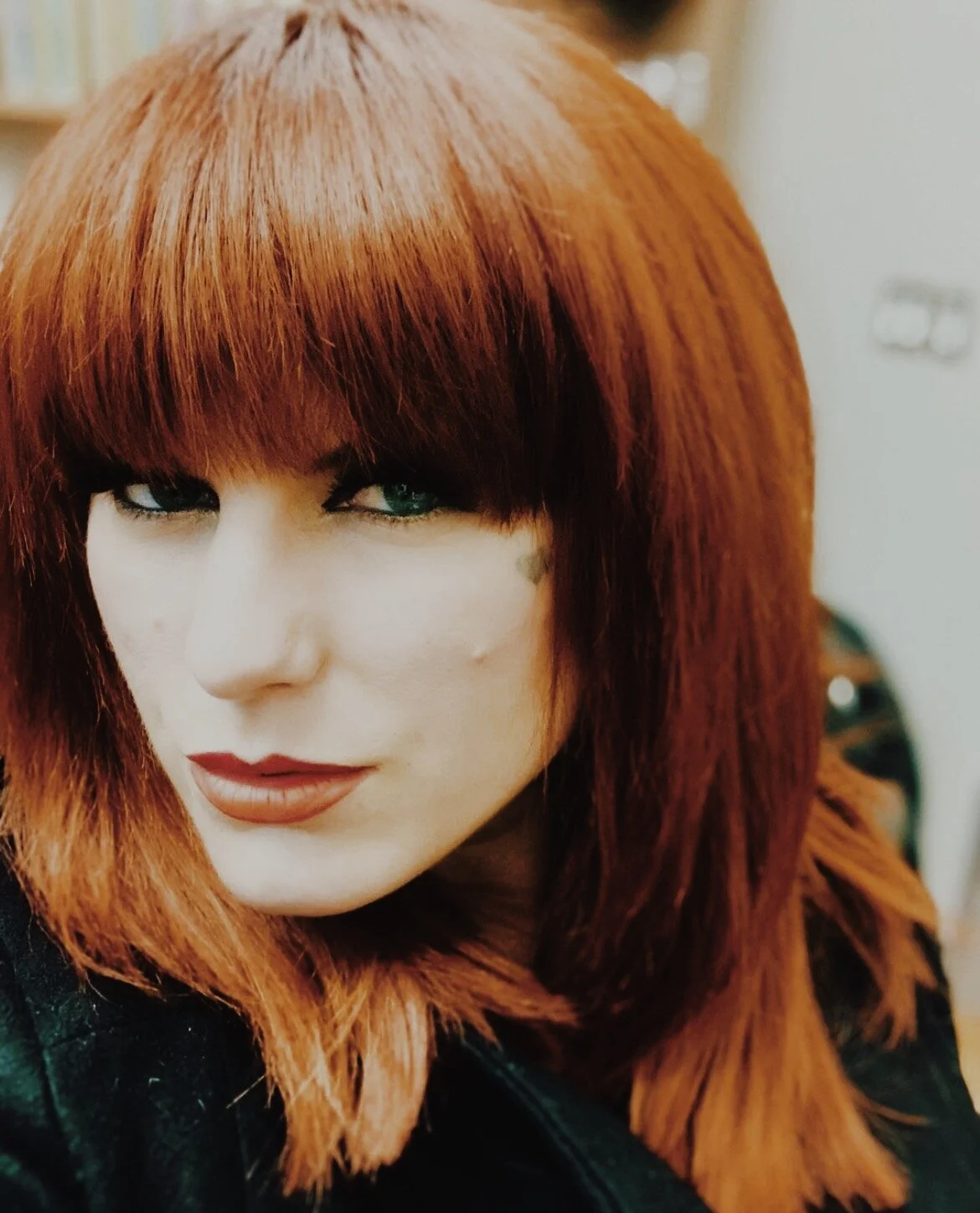
What. A. Story. From go go dancing to going the distance, Shauna Aranton’s life reads like a movie, full of dramatic moments and life lessons.
In this episode, Shauna shares her journey of learning to stay and fight for what she wants rather than fleeing from what she doesn’t, whether it’s a relationship, a career, or anything else. She now has the career and marriage of her dreams, but they came through grit, determination, and hard work. And this girl on fire isn’t done: Shauna is still in hot pursuit of achieving her ultimate dream of becoming a nurse practitioner and earning a PhD so she may further help the kids of Nevada. She also speaks on working in a hospital in the midst of a pandemic, and the stress that incurs. Healthcare workers are true angels.
It’s a fun, easy, entertaining, INSPIRING listen.
You can find Shauna on Instagram at @shaunaleesinner
If you listen, like, and are so inclined, I would truly appreciate if you subscribe/rate/review!
Thank you!