Politicized: Politics Over People
The people have spoken. I canvassed for what you wanted to hear, and this was one of the requests: how “nothing can be discussed anymore without throwing politics into it” (and truth be told, ironically I talked about politics while talking about how we can’t talk about anything without talking about politics. Sigh).
I share some thoughts. I suggest some perspectives. I offer some outlooks. I propose some points.
Power to the people (not the politics).
Lemme know what you think.
Thank you.
Find me on Facebook and Instagram @the_nativist
The World As It Is
Find the full transcript below.
Oof. I literally typed that and then put my head in my hands. There’s a lot of heaviness in the world today (not unlike other times - let’s respect where we as humans have been in our history!). For anyone consuming this content in the future (or in the present with no access to the outside world), it’s March 2022 and Russia just invaded Ukraine. An important point right upfront (a point that is relevant to much of my further remarks), this is not a sneak attack. This is not a shocker. We’ve known this was possible - not just for the past few weeks as Russia incrementally made moves toward it, but also for the past YEARS. Vladimir Putin - the leader of Russia - may be a lot of things, but one thing he is not is shy with his ambition and his goals. As important as Americans think we are, Putin is not the product of America. We did not create him. We may be a global superpower that influences the world balance, but believe it or not, we are not the only power in the world, and we are not at the center of every story. Thinking we are is a very American-centric view. Yes, we are a part of this story, but let’s not center ourselves, especially not to just blame this all on one president/administration. A pretty solid life truth is none of us live in a vacuum. This may surprise you, but “none of us” also includes US presidents. There are many elements inside and outside their orbit, impacting decisions and outcomes. I posted awhile ago on how US presidents actually have a far smaller effect on the economy than is often said (and I cited multiple studies and articles from various sources - conservative, liberal, and neutral - showing this). This means they can’t fully claim all of the economic wins or losses during their tenure (or immediately before/after). (PS this includes oil and gas prices.) Let’s keep this point in mind as we start talking about the cancer in this country that’s making all of this worse: division.
While division rapidly metastasizes and spreads and corrodes and impairs and harms and chokes and kills like cancer, there is a key difference: its relation to us, its spreaders. It can be said if someone has cancer, that cancer happened “to” them. Not so with this division taking over our politics, our news, our relationships, our empathy, our understanding, our humanity, our WORLD. WE are causing the division. WE are society. If we’re not actively uniting and repairing, then we’re dividing. We’re perpetuating the strength and velocity of the cancer. If we’re not uniting, we’re dividing - no matter how “passive” or “active” we are. Let’s face it. And this division we’re causing is a glaring vulnerability that can and will be exploited by those with ill intent - like Putin. When we divide ourselves, we’re aiding and abetting his efforts to do so. We’re doing his job FOR him. We’re helping him bring our downfall. And has history has shown us, the great can and do fall (think Ottoman Empire, Roman Empire, etc). Thinking we can’t is another vulnerability. It’s unwise and dangerous.
“If we’re not uniting, we’re dividing - no matter how “passive” or “active” we are. ”
We also help him divide and harm us by irresponsibly consuming/sharing content, in person or online. Misinformation abounds. There are credible, trustworthy news sources (and they’re not Twitter or Facebook), but let’s remember: much of media is business. How do you survive as a business? You make money. How do you make money, particularly as a media entity or social media influencer? You capture attention. How do you capture attention? You sensationalize, you shock and awe, you scare, you unsettle - by posting easily digestible sound bites, no matter (even especially) if they’re misleading. And it’s not just massive media corporations who cloud and mislead: it’s also people who want to make a point, further an agenda, sow discord, etc. Maybe that person is you, whether you realize it or not (depending on what you post and how/if you verify it). Again, you may not even realize it. I’ve seen/heard of videos using footage from other places/times, and presenting it as footage of Ukraine. Let’s beware of how easy it is to say/do/create anything.
So back to the life truth of we don’t live in a vacuum. There are many factors at play and ingredients in the mix. That can be comforting, and that can be unsettling. Russia being, you know - a part of the world - also does not exist in a vacuum, especially a vacuum confined to the first year of this current US administration, or even to the last few years (to include the last administration). Just as the US has its own origin story and thing going on, so does Russia. Sure, our stories include each other, and sure, we’ve had a big impact on each other (realizing this is especially vital in self-assessing our faults and missteps), but let’s not be so arrogant as to think we - or more specifically a certain US president/political party - solely created this current situation.
Let’s be clear: This is NOT an argument for/against action/inaction with this invasion of Ukraine. Let’s resist our desperate urge to politicize every friggin’ thing. If you do, you’re missing the point of this entire post/episode - and you’re part of the problem (I say that with love). But enough. I lovingly but firmly say enough.
I feel frustrated, despairing, disappointed, and upset when I see people post passive-aggressively (or even outright aggressively) how “elections have consequences,” indicating this is President Biden’s fault. Again, this current world situation did not pop up out of nowhere, a direct (and only) result of US action/inaction. To think so is a very reductive, inaccurate, divisive, and dangerous judgment. It’s simply not so. It’s also not from one ideology/political party. Again, so many factors to consider here: past international relations, current international relations, future international relations, economic strength, resources, political expediency, political support, optics, bureaucratic elements, fickle public opinion, allies, ripple effect, Russia’s backstory, consequences of past international interventions, waning appetite for more US interventions (especially after Afghanistan), Russian politics, differences in personal opinions and judgments, conflicting ideologies, etc. SO MUCH IN THE MIX. Made even more exhausting and overwhelming and messy by oversimplification: in the media, in political rallies, in personal conversations, in social media posts, in misleading (but appealing) sound bites. Clickbait. Sure to entice anger, blame, and division; sure to cloud nuance and reality.
“I believe everyone deserves a baseline level of respect, simply for being human. Everyone. ”
It’s easier to simplify and finger point; it’s harder to assess and consider. It’s easier to feel superior by judging, blaming, and condemning. It’s much harder to resist reacting, to research what you see/hear, to consider multiple angles, to empathize (this doesn’t mean condone), and to stay open and respectful. Speaking of being respectful, one of THE most disheartening things to me is seeing people launch personal attacks against people with whom they disagree. I don’t care who you are or whom you’re against, it’s never ok to name call. It’s never ok to say cruel things against someone we dislike. I believe everyone deserves a baseline level of respect, simply for being human. Everyone.
A personal attack is the biggest tell of a weak argument. This includes attacks against politicians. Making fun of Trump’s hair or Biden’s stutter - MEAN. Immature. And much more revealing of the person saying it than the person they’re criticizing. Same goes for the, “Let’s go Brandon.” To me, this has nothing to do with my political beliefs; this is a matter of humanity and decency. (I don’t identify with either party anyway - I’m a firm centrist.) This also goes for how we interact with each other, especially those with whom we don’t see eye to eye. The minute you go after someone’s character and start lobbing insults is the minute you’ve ceded ground. I have patience for people I don’t agree with (I’ll admit - it can be tough, especially on issues I deem fundamental to humanity), but I have no tolerance for cruelty and disrespect. This doesn’t mean we can’t get fired up, we can’t get angry, we can’t express frustration. We can and should. That’s healthy, but only if we imbue it all with respect: for ourselves and others, and for our world. Let’s be humble enough to know we don’t know everything. Think about this: There’s something you’re convinced of now that you’re almost certainly wrong about; same with me. I don’t know it all, and neither do you. So why would we NOT listen to each other? Well, I do know why not: ego, insecurities, fears, shame, etc. It can be tough being human, yeah? I know I get it wrong all the time. I preach often about responding rather than reacting, but that’s actually really challenging for me. It’s something I’m continually working on (but I’m proud of myself for always trying, no matter how many times I fall). Let’s give each other and ourselves tough love and also grace.
Getting back to Russia. Okay, so international relations is a topic I’ve long studied: it was my focus in grad school (for undergrad, I majored in political science and minored in psychology). It’s also a direct part of my life. I’m constantly consuming content on it, related to the past, present, and future. And if you do the same, you likely know: It’s friggin’ complicated. I mean, let’s put it in perspective: think of your own life. Like we just said, being a human can be tough stuff. It’s challenging and conflicting; it can be contradictory and messy and confusing and and and… There are countless elements at play, countless contributing factors. You’re a human. You know. You’re a multi-dimensional person, with many parts to your identity. And you’re one person. Let’s add another, and now we have a relationship/partnership: romantic/personal/professional. That can be REALLY friggin’ hard, right? More edges to bump up against, more issues to sort out, more perspectives to consider, more more more…everything. And that’s just with two people. So then if we add, you know, seven billion more, that can be as my niece likes to say, “kinda tricky.” Now add in disparate cultures, worldview, ideologies, histories, physicalities, geopolitics, etc. Holy COMPLICATED. Think of all of the competing egos, agendas, fears, insecurities, ambitions, motivations.
“You’re a multi-dimensional person, with many parts to your identity. As are others.”
Psychology, meet politics. Politics, meet psychology. I’ll read a caption I posted about a year ago: “Where psychology meets politics. Politics and psychology are top areas of interest for me. Here’s why they matter: Our world consists of people. People who inhabit towns/cities/countries ruled by…people. People like us who have physical needs, emotional needs. People who have ambitions and wounds. Biases. Fears and insecurities. Fears and insecurities are powerful. They cloud judgment at best and corrupt hearts at worst. They cause countries to invade others. They cause humans to exploit others. They affect how leaders lead and people vote. They influence how people view issues, individuals, and groups. They shape how and what systems form. (I’ll add here: They affect what information people share/consume, and how they perceive information and thereby reality.) Fears and insecurities close people off to different perspectives, innovation, compassion, and respect. They start wars and oppress people. They cause inefficiency and destruction. A leader fueled by fears and insecurities is inept at best and ruinous at worst. Just look at history (and modern day - Putin, we’re looking at you). And talk about a ripple effect: psychological issues played out on a global scale can be catastrophic, with effects lingering for centuries. Psychology informs politics, which is another reason why shadow work is so important: identifying and healing your wounds; illuminating your blind spots; facing your fears. Because it directly affects how voters vote, humans view, countries interact, and leaders lead.”
And I’ll add here, it’s also why how we raise our youth is so critical. I highly recommend the book The Body Keeps the Score by the brilliant Dr. Bessel van der Kolk, one of the world’s top experts on trauma. He’s spent over three decades working with trauma survivors. The book was published in 2014 and cites recent scientific advances to show how trauma literally reshapes both body and brain, compromising sufferers’ capacities for pleasure, engagement, self-control, and trust. And throughout, Dr. Van der Kolk emphasizes the importance of applying these lessons to our youth and ensuring they’re raised in stable, supportive environments, contending that is the best way to improve our society and heal our ills.

Let’s think of how all of this applies to world leaders like Putin. Let’s consider Vladimir Putin, the human being. Let’s allow room for nuance, for humanity, for complexity. Let’s acknowledge he wasn’t created in a vacuum or a lab. Just like you and just like me, he is a human, with fears, needs, desires, insecurities, bangs, and bruises. Just like you and me he’s had disappointments and struggles. Just like you and me, he is the way he is for a reason. Just like you and me, he’s trying to annex Ukraine and take over the wor— Oh wait, that’s just him (well, I’m sure world domination is on the vision board for more than just Putin, but for focus and time’s sake, let’s concentrate on Putin). Why would we - why should we - empathize with Putin? What value does that bring? Well, from a purely pragmatic, strategic, and tactical respect, that helps us stop/deter him. How can you beat someone if you don’t understand them? If you don’t know what motivates them, what deters them, what scares them? Comprehension is just one step, sure, but it’s a vital, pivotal step. And from a humanity perspective, it’s important for our individual and collective soul to see how connected and similar we are; how nuanced and complex we all are. It’s imperative we see we all have the same basic physical and emotional needs. Insert Maslow’s hierarchy of needs: an idea of psychology explaining humans are motivated to fulfill their needs in a hierarchical order. This order starts with the most basic needs (food, shelter, water, security) before moving on to more advanced needs (psychological needs such as belonging and love, esteem needs such as prestige and accomplishment, and self-fulfillment needs such as self-actualization and fulfillment of potential).
“From a humanity perspective, it’s important for our individual and collective soul to see how connected and similar we are; how nuanced and complex we all are. It’s imperative we see we all have the same basic physical and emotional needs.”
That’s why the movie The Joker is so powerful. Or the Netflix documentary Manhunt, which provides a heartbreaking in-depth look at the various forces that shaped Unabomber Ted Kaczynski and led him to mail bombs to fellow humans. I just read All the Light We Cannot See, a haunting book by Anthony Doerr that won the 2015 Pulitzer Prize for Fiction (fun fact: Doerr lives in Boise, Idaho!). World War II non-fiction and historical fiction books have been my favorite to read, and I’ve read - MANY - since elementary school. This was I think the first one that actually humanized the Nazis. Important distinction: it didn’t condone or glorify Nazism and fascism - quite the opposite - but it offered a valuable look into what various factors could lead someone to engage in such an abhorrent movement, and do unspeakable things. It showed how sometimes in life we must make seemingly impossible decisions. I mean, think about it: It’s wartime, you’re a young parent and are solely responsible for your babies’ lives. You’re asked to risk your babies’ lives by hiding strangers in your attic, and/or participating in the resistance. It’s easy to sit far removed, in time and place, from such terror and uncertainty, and coolly calculate the numbers, the socially-acceptable answers, the popular opinion, the _____ judgment. But when you’re in it, I highly doubt you’d have the same presence of mind.
I ask such horrible questions in my “Would you rather…” questions every Wednesday on social media, not just for fun, but to highlight and respect the complexity of humanity, and to connect you to yourself and others. This helps us understand how things can’t and shouldn’t necessarily be reduced to good vs. bad, right vs. wrong. We need to allow for nuance and diversity of thought. We don’t all share the same values, experiences, strengths and weaknesses, advantages, disadvantages (our divided politics make that abundantly clear). We’re so similar, but we’re also so different. And understanding and empathizing with each other, showing each other compassion, does not mean we condone unacceptable behavior. Not at all. We must own our lives and our actions; we must be held accountable; we must hold each other accountable (ideally with respect).
This doesn’t mean we go soft on people who act egregiously. Nah. A simple hug and “I understand” will not stop a serial killer (or Putin). But understanding the problem, the pathology, the contributing factors - that’s responding intelligently, not reacting ineffectively. This shouldn’t be confused with softness or negligence. Not in the least. But mental health issues directly contribute to much of the criminal behavior. Understanding helps us respond effectively. Understanding helps us prevent it from happening again. Understanding helps us improve. Why not start at the grassroots level?
“Understanding the problem, the pathology, the contributing factors - that’s responding intelligently, not reacting ineffectively.”
It starts with us. It starts with you, with me. Society is made up of you and me. The world is made up of you and me. This is the driving force behind The Nativist: to connect you to yourself, and to connect you to others. To give you support, space, and inspiration to dig in to your shadows, your fears and insecurities, your values and motivations. This is how you change the world. When people don’t do this, their shiz bleeds over onto others. When people don’t do this, they start fights, they perpetuate conflict, they feed discord, they widen division - they INVADE UKRAINE, they gas their own citizens, they commit other atrocities. When we do the work ourselves and face our own shame and uncomfortable parts, then we can understand and relate to others, and show them grace. We can recognize our common struggles, wants, needs. Our humanity.
And again, all of this isn’t to say there’s no need for might and force. I’m not arguing that. I’m not advocating violence, but I’m also not so naive to think there is no need for militaries. In an ideal world, we would all do our shadow work and accept our common humanity. That’s unfortunately not how our current world works. I’ll leave it there.
Speaking of punitive measures, yes, it could be argued we should have been tougher on Russia. Yes, it could be argued we should have ______. But again, it’s also important to remember there are various factors to consider, like I listed before (our current economy and resources; consequences from past international interventions; Congressional support; political pressure; etc). Could Biden have done better? Possibly. I’m not arguing for/against him. Just like I’m not arguing for/against Trump. Both presidents have erred (humans err, to various degrees, to which I’m sure you personally can attest). I think it’s important to consider what drives their errors.
Putin didn’t radically transform into an evil power-hungry player the minute Biden was sworn into office. Russia didn’t suddenly become a threat out of nowhere. Let’s also look at past administrations (Cold War ring a bell?), and geopolitics in Russia and Ukraine. We’re wasting time, energy, and bandwidth by playing this immature blame game; by focusing on “But he started it” and “I know you are but what am I?” It never ceases to amaze me how politics (and social media and much media in general) can resemble playground antics. ENOUGH. For those of you saying Biden should’ve been tougher on Russia, where were you when Trump was particularly friendly to Russia in the past (again, Putin’s aspirations of domination have long been known). Where were you when Trump literally and openly called these latest attacks on Ukraine “genius” and “savvy”? For those of you deflecting blame from Biden, would you do the same if Trump took exactly the same approach?
Can you separate the person from the criticism? Can you prioritize objectivity? Can you identify your biases (we all have them)? Hypocrisy is rampant, and I’m beyond sick of it. Double standards abound. This isn’t just in Congress and in the media - it’s also in private conversations and social media posts. It’s everywhere. What’s one person’s protest is another’s riot. What’s one person’s financial savvy is another’s delinquency. Government, get out of my life - unless you’re regulating ______ to make my life easier . This goes for BOTH liberals and conservatives. BOTH have become extreme. Both were/are hypocritical. Both have focused not on what’s best for the country and its people, but on what’s best for the specific party and its power. Party preservation is the name of the game, truth and citizens and collective good be damned. (We allow/encourage this by whom we support, what we click on and read, and what we share and fund.) Ideologies, political parties, and politicians need our support to exist. Our views are too often shaped/swayed by incomplete (and even outright false) snippets and opinion pieces in the media. Since ideologies/parties/politicians require our support, then actions are based less on reality, and more on what we, the supporters, think reality is.
“Since ideologies/parties/politicians require our support, then actions are based less on reality, and more on what we, the supporters, think reality is. ”
Here’s a question for you I hope you fully and honestly reflect on. I invite you to sit with a moment, and notice any resistance. If your immediate response is “Absolutely not”. then that’s a sign you may need to dig deeper. Here it is: Are you more sympathetic toward certain victims? Toward certain refugees? Here’s where it can really get dicey and make you uncomfortable, but this is a key question, so thank you for staying with me: Are you more sympathetic toward those from a certain demographic/background? Possibly those who more closely resemble you, or fit a certain worldview? For example, are you more sympathetic toward Ukrainian refugees than Syrian refugees? Or Mexican immigrants? Thank you for caring enough to listen and think about this.
Some more questions, while we’re on the topic: Do you believe you chose where you were born, and into what circumstances? Do you think you would do whatever it takes to ensure your family’s safety? Your safety? Imagine living in terrifying or deplorable conditions, where you fear for your life, or don’t have basic necessities, like safe/sufficient food/water/shelter/security. Imagine raising kids in such a situation, innocent souls dependent upon you for survival. Imagine having no legal recourse, no authorities or official channels you can trust or use for help. What would you do? How are you different from them? I’m honestly asking, with sincere curiosity (though I realize we’re not talking face to face): What if you had the option to flee for safety, for opportunity, for survival? Would you be compelled to honor invisible national borders, simply because you were born outside of them? Because your children aren’t of a certain nationality? Or would you do everything freaking possible, whether you’re fleeing a dangerous dictator, a war-torn country, a corrupt regime, a tanked economy? Whether you’re a mother in Mexico, a human in Honduras, a sister in Syria, an under-attack in Ukraine? Let’s be clear: I’m not advocating for/against a certain policy, but I am asking you to reflect on how and with whom you sympathize, and on what you would do in parallel situations. It’s tough to level with ourselves - it really is. But it’s how we get better, and heal the world.
Speaking of tough stuff: Let’s also acknowledge how challenging it’d be to be president - so much on the line, so much to consider, so many entities involved. Yes, they volunteer for it and take it on, and yes, critiquing them is healthy and necessary for progress and accountability, but that doesn’t mean we should ignore/dismiss the colossal toughness of the job. And the factors and information we don’t have that they do, that affects their decisions.
Let’s also again acknowledge a very uncomfortable truth: America is not bulletproof. Declaring ourselves invincible is tricky: what we gain in national resolve and pride, we lose in self-awareness and humility. And we’re still relatively young. Past great empires have fallen, empires that were bigger than the US and around for longer. So let’s stay humble, let’s stay aware, and let’s stay respectful: of our challenges and our adversaries (it could even be argued we are our own biggest threat).
“So let’s stay humble, let’s stay aware, and let’s stay respectful: of our challenges and our adversaries (it could even be argued we are our own biggest threat). ”
Public policy can only do so much. Legislation can only do so much. Government can only do so much. They definitely have a role to play, but shouldn’t have the leading role in our lives. They can’t fix us or our situation, and hopefully we’re not relying on them to. This is NOT an argument on big government vs. small government. Governmental policies and laws can do good and provide value - but can’t fix the root causes. Laws are made by people: people with fears, insecurities, and biases - people we elect (driven by our own fears, insecurities, and biases).
We constantly hear/participate in debates on the best policies or laws we need to resolve our societal issues. It’s like expecting a therapist to solve your problems. They can give invaluable structure and assistance, but can’t do the inner work for you. Or it’s like counting on stretching to solve your hamstring problems. Sure, it can help - but it won’t cure it, or resolve the core issue, and it may even worsen it (if you’re doing it improperly, applying the wrong remedy, etc). You and I - we individually have choice, we have power, we have responsibility - and hopefully we also have compassion, curiosity, and care. Yes, people can work the system, but what factors drive that? Void, addiction, trauma, wage gap, capitalism, corporate greed. How can we address those voids? In ourselves/others? Individually/collectively? And how are you and I personally perpetuating the faulty system, intentionally or otherwise? We are society, remember?
“And how are you and I personally perpetuating the faulty system, intentionally or otherwise? We are society, remember?”
We’re creating the world we live in: how we interact with each other; what we consume and share; what we allow; whom we support; how we spend our time and money; what we focus on; what we think and say. It’s easy to project blame, it’s harder to accept it. It’s easy to cancel people for making mistakes, it’s harder to show grace, to allow for complexity, to engage, to understand. What if instead of calling out, we called in: to ourselves, and to others? Invited reflection. Accounted for where someone is now, rather than where they were? Allowed each other room for mistakes, but while addressing those mistakes? What if we left room for different perspectives, nurtured common ground instead of cultivated chasms? Think of our Founding Fathers. If we canceled them for owning slaves, does that mean we should cancel the Constitution? Disregard other good they’ve done? Ignore the context of their lives and actions? This does NOT mean we condone slavery (ABSOLUTELY FREAKING NOT) but context matters. Like it or not, we’re often products of our environment (hopefully we take accountability - but even so, we’re still deeply influenced). Think of when you’ve held mistaken beliefs, or screwed up. When we know better, we can do better. And what helps us know better is to removing those blocks to love, compassion, and growth, by doing shadow work, by connecting to ourselves and others, by approaching sticky issues openly rather than aggressively.. When we mess up (we all do), why would we cast somebody out, instead of engaging with them? Try to bridge that gap? I truly believe people aren’t good, people aren’t bad…people are people, who do good and bad things. People are complex. It may be an ego boost to pounce on somebody’s mistake and castigate them for it (privately or publicly). However, while the dopamine fades, the division remains. Yes, we should be accountable for when we do/say harmful things, but let’s also remember perspective; let’s also account for what led to the harmful words/action. Let’s consider the person behind it, and how that person feels about what they said/did. Sure, apologies and remorse may be performative - but time will tell. Are you perfect? Have you never said/done anything wrong or hurtful? I know I have - and unintentionally continue to do so. I still have work to do. We all do. As long as we’re alive. Let’s not let this discourage us, but encourage us. Because this (among many things) unites us (and we all know how desperately we need unity!). It means we’re still paying attention, and we still care.
Holy smokes. Am I long-winded or what?!! Bless you for lasting this long and hearing me out. Thank you from the bottom of my heart. I love you.
Make Yourself Uncomfortable: Sneaky Ways Comfort Is Limiting You
Allow me to be the most inhospitable podcast host ever and invite you to make yourself uncomfortable. I do so with love and in service of your individual good, and our collective good.
Life is messy. Life can feel tough. It’s complex and nuanced and uncertain, just like us humans. When we rush to restore comfort, we weaken ourselves, limit ourselves, and invite trouble. What kind of trouble? In what small/big ways are we denying ourselves a full, rich, fulfilling life? How are you possibly contributing to your problems and our problems? What are our possible blind spots? How can we lean into discomfort? Why is it good for us? What are you missing out on? I answer all of these questions in this short, micro episode. You might know some answers, you might be surprised by some answers. Only one way to find out… Listen if you want to be the best you can be.
Living with ADHD
You might know someone with ADHD. You might have ADHD. You might not even know you have ADHD. In this episode, I dig into my personal experience with getting diagnosed with ADHD later in life (age 25) by two different doctors before realizing WHOA - I’m a textbook example of ADHD. If you’re like me, you maybe have/had a very limited understanding of ADHD and its various symptoms. This episode will help you identify those symptoms, understand them, and leverage them - whether personally or relationally (even if you don’t have it, you likely know someone who does, and understanding it helps ease frustration and maximize success on both ends). I only speak from experience. I am not a medical professional, so by consuming this content you agree to not take this as medical advice. Please consult your doctor.
Find me on Facebook and Instagram: @the_nativist

Rethinking New Year, New You
New year, new you.
Do you need a new you? What about the you that you are now? Do you respect this you? Understand this you?
Whether you’re making resolutions at the start of a year, or setting goals in the midst of one, there are some vital questions to ask yourself to make the process more effective, more enjoyable, and more meaningful. Like…do you need a new you or a new process? A new perspective? Maybe all of the above?
In this episode I offer thoughts, questions, and insights for you to consider as you reflect on your self/your life.
Thank you for listening.
Find me on Facebook and Instagram: @the_nativist
Loyalty
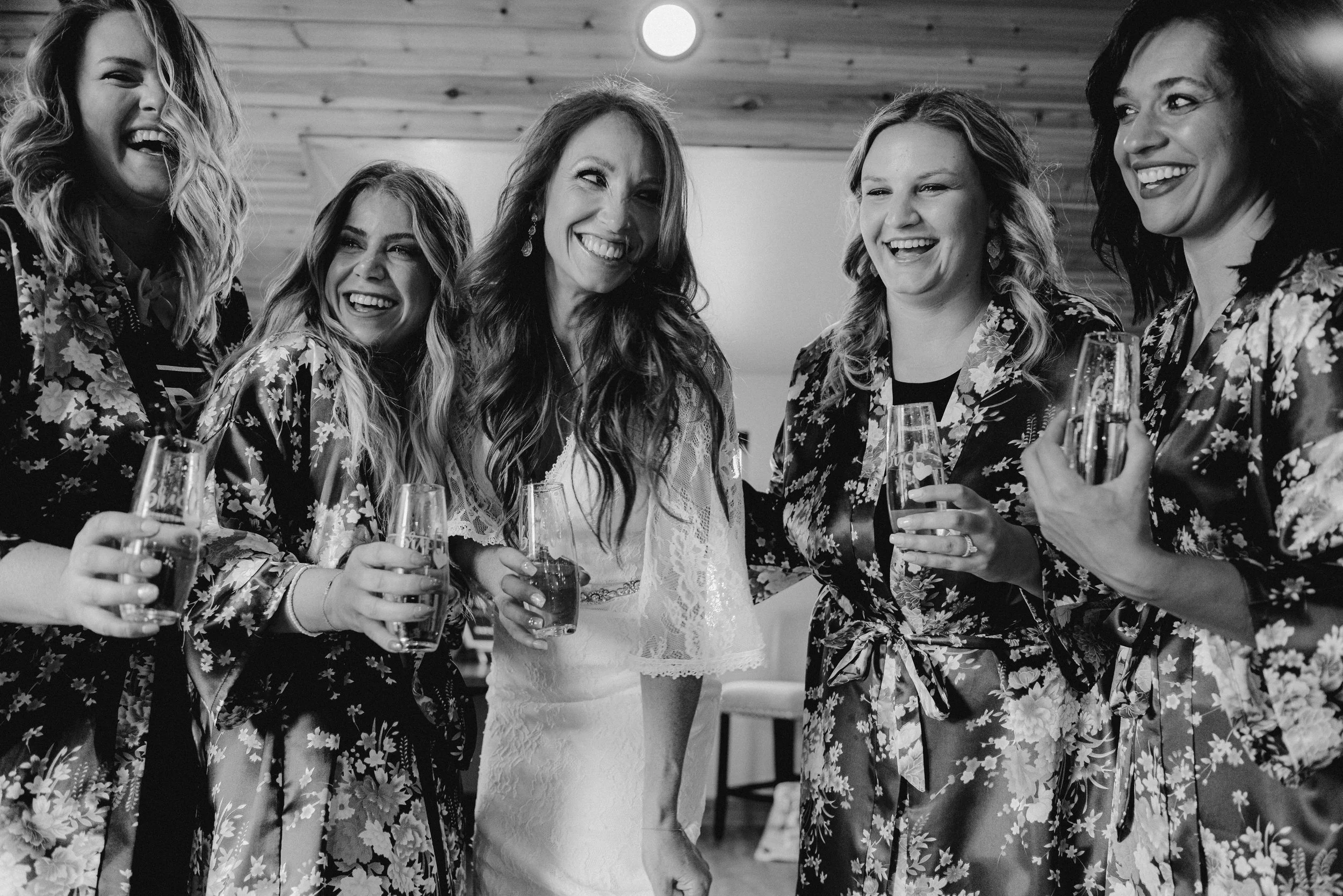
Image: Brooke Richardson Photography
What does loyalty entail? What should it entail? Loyalty to a partner, to a friend, to a brand, to a vendor, to a family member, to a country, to a cause, to an ideology…
As with most topics, it’s nuanced. It can be contextual. It’s tempting to simplify and reduce it, but that often ignores reality and limits us: our understanding, our growth, our relationships, our empathy, our compassion, our progress, our wisdom, our lives.
What does loyalty mean to you? To those in your life? Do your definitions align? What’s a deal breaker for you?
Should it be conditional? Should it be blind? Should it be all encompassing?
Thank you for listening.
Find me on Facebook and Instagram: @the_nativist

When Preparation Meets Opportunity

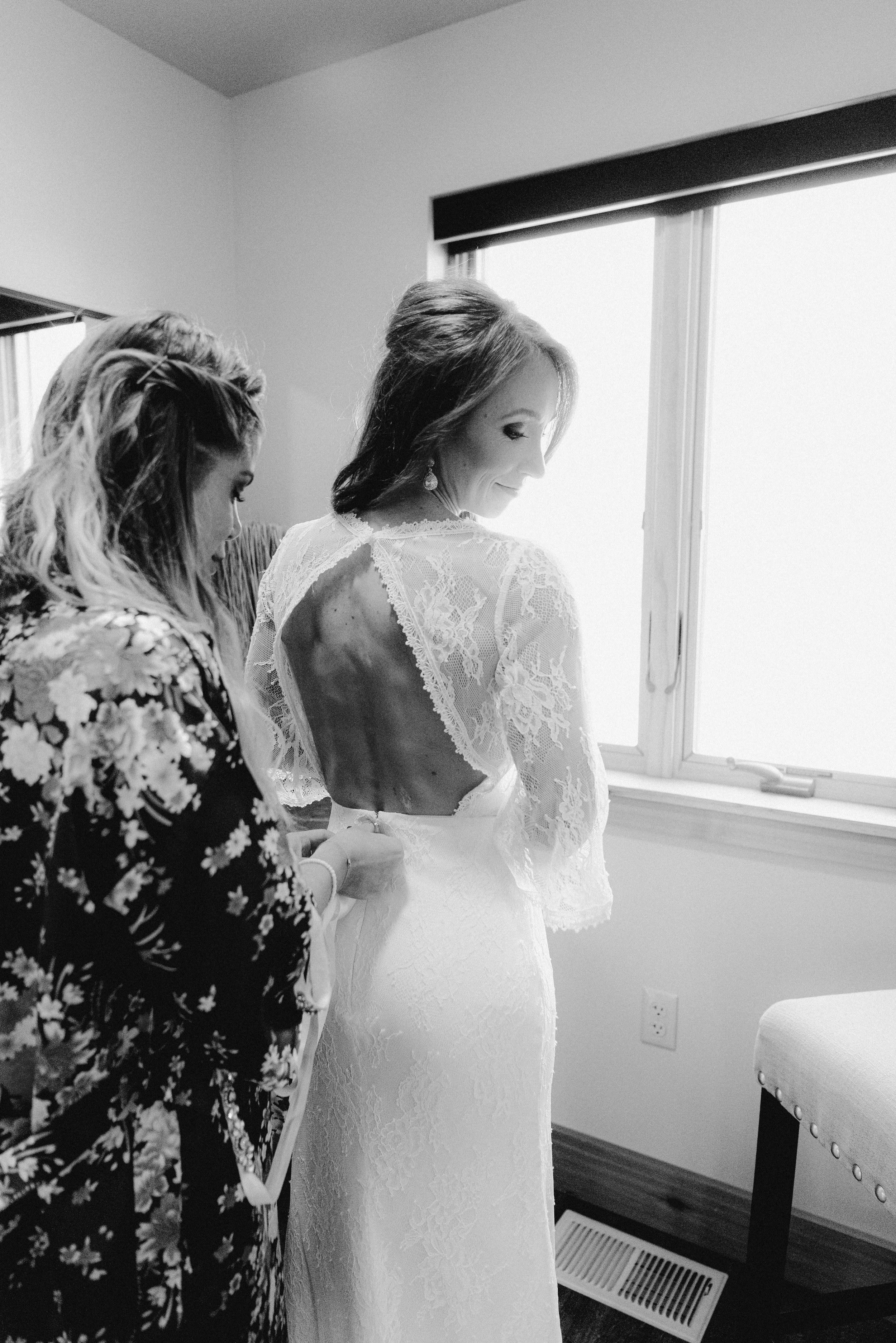
Jessica E. Jones backstage at the Grammys
This episode has major star power. We’re graced with the presence of Jessica E. Jones, aka IVYWILD: Grammy winner, multi-faceted singer, childhood friend, and light bringer. Possibly most important? She performed for RBG herself. What a claim to fame.
Not only does she have the speaking voice of a Disney princess, but she’s an exceptionally articulate, driven, talented, lovely person. In this episode, we highlight how talent may get you in the race, but hard work, tenacity, and interpersonal skills can carry you across the finish line.
Jessica shares how she proceeded past resistance that may have deterred others, but set her up for success beyond her wildest dreams. We discuss resilience, grit, humility, reinvention, vulnerability, and CONNECTION - to self, to passion, and to others.
Highly inspirational, highly empowering.
It’s a showstopper. Just like her.
And speaking of reinvention, she’s branching out beyond classical music. Listen to her latest music she just dropped (and will continue dropping) on all of the major streaming platforms.
Find her on:
Website: www.jessicaejones.com (watch her performances, etc)
Instagram: @jessopranojones / @therealivywild
Facebook: @Ivywild Fanpage
Twitter: @therealivywild
She’s also on TikTok

IVYWILD - Image by Eric J. Keller / @soulcatcherstudio

Jessica E. Jones singing Musetta in a production of La bohéme
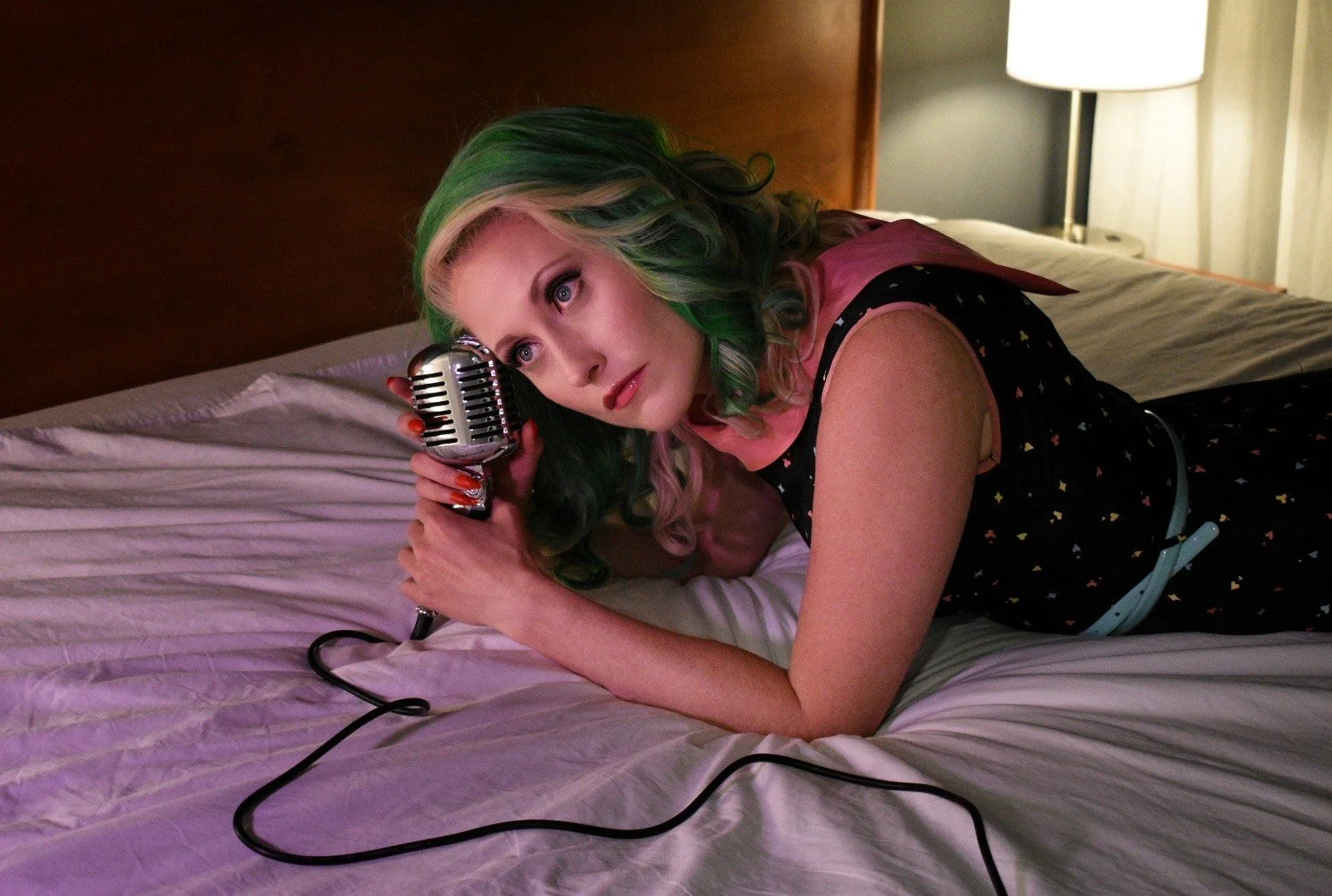
IVYWILD - Image by Eric J. Keller / @soulcatcherstudio
Learn and Live. Live and Learn.
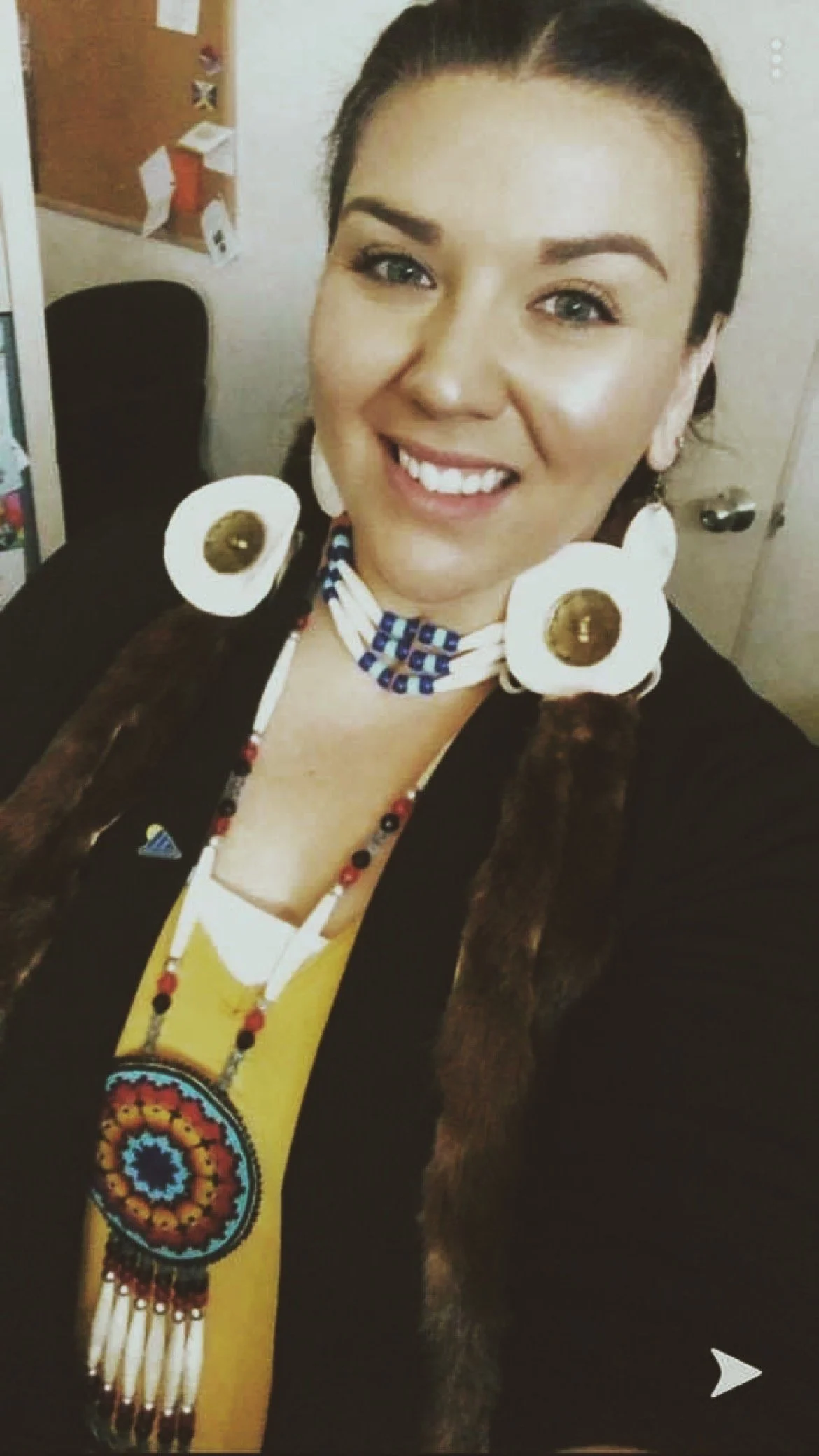
In honor of Native American Heritage Month, Effie Hernandez comes on the pod to inform and inspire. Effie is a member of the Shoshone Tribe and works as a multi-cultural coordinator for a community college in Idaho Falls. Though Effie provides great resources and insight for planning your future (especially for Indigenous youth), this isn’t just for teenagers contemplating college. In true Nativist fashion, we go deep. We talk about living your own life and how fulfilling your unique potential can be different, daunting, challenging, and empowering, and how it allows you to elevate and enrich others’ lives as well (the more skills and knowledge you have, the more value you can contribute!). We emphasize the importance of defining: your life, your terms, your success. We explore how diversity and inclusion can have different meanings for different people, and we invite awareness and reflection on this. We highlight the power of continuing education - formal and informal - and how humility and curiosity are crucial components. Know your options. Define your terms. Leverage your potential.
Contact Effie:
Effie Hernandez Multicultural Coordinator, 208-535-5338, effie.hernandez@cei.edu
Scholarships for Indigenous youth (as referenced in the episode, via Dr. Amanda Cheromiah’s TikTok video on how she graduated debt free):
*Look into the specific scholarships of your own tribe(s)/institution
Find Dr. Amanda Cheromiah on TikTok/Instagram @drcheromiah
Perspective
Wow. I get into it with this episode. There are a lot of hurting/struggling/frustrated/disgruntled people in the world, and especially in the US. And there are a lot of reasons behind the suffering and discontent - as well as a lot of proposed solutions. There’s also a lot of blaming, criticizing, and side taking.
What’s the role of perspective in all of this? What’s the worth of other perspectives, particularly when facing a problem? What’s the value of staying open and entertaining other views? Should we allow for nuance? Is it worth our time considering a problem’s cause and contributors when seeking a solution? Does the problem/solution have to be binary, either/or, us or them? Is it always “wrong” versus “right”?
Happy listening.
Find me on Instagram @the_nativist


What Does Authenticity Look Like?
“Authenticity does not mean baring all.”
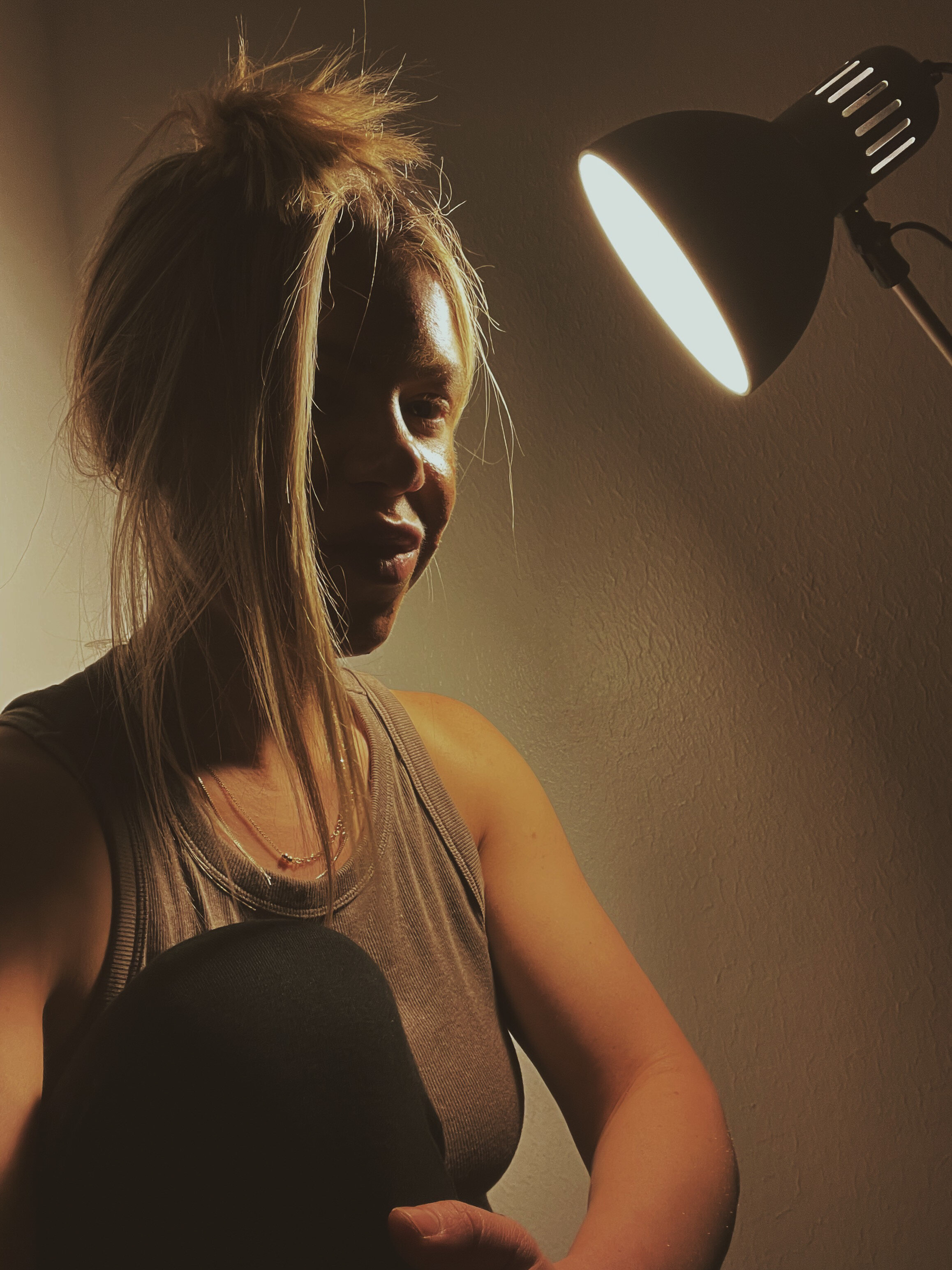
My friend and I were talking the other day about authenticity. It’s one of my favorite topics to ponder, explore, and discuss, increasingly so in this era of social media, filters, and curated images and lifestyles.
To take it a step further, it’s also been even more on my mind during my acne-healing journey. I feel a lot of shame for not having perfectly clear, even-toned, smooth skin. Intellectually, do I know I’m more than what I look like? Absolutely. Intellectually, do I know my true worth is not based on appearance? Yes. BUT. My worth in society, by its standards, very much depends on the image I convey - regardless of how I actually am and look. Society doesn’t care about inner beauty, kindness, grace, intention, depth, excuses, health, REALITY. Its standards are ruthless, rigid, exacting, fluctuating, fickle, impatient, demanding, superficial, and - most importantly - ELUSIVE. Full, true achievement is impossible - always dancing out of reach. Society and its advertisements will convince you with just the right fitness regimen, just the right face cream, just the right fashion aesthetic, you can “make it.” It’s brilliant marketing - but it’s bullshit. What’s in today will be out tomorrow. Whoever is lucky enough to have their natural look align with the current trend (body/face/hair shape, etc) is instantly deemed superior: in looks, in character, in ability, in LIFE. And for those who miss the mark, whether due to mere timing (better luck next on the next “fad”) or total divergence, hope is copiously commodified. What you can’t (or won’t) change/fix, is your fault, your flaw, your demerit. And that’s part of the allure. That’s how they hook you: holding up an example of how you should be/look, with the implicit (or even explicit) acknowledgment you don’t, with the assurance that all you need is this (insert product) to achieve your goal (aka worthiness). And for extra kicks, there’s not just one world judging panel. What’s ideal in one context/culture/era/etc is hideous in another. Contradictions galore - even within the same context; for women especially. Example: If you hide your body, you’re an unattractive prude; if you show your body, you’re a deviant slut. Double standards are part of the game. Mixed signals much? It’s. EXHAUSTING.
But that conditioning runs DEEP. Bone deep, it often feels. If you’re surrounded by something, for every day of your life, it’s bound to permeate. You’re bound to be affected. Your subconscious picks up what society is putting down, and your psyche doesn’t easily release that. We’re wired for social acceptance - it was (and even actually still virtually is) vital to our survival. If you were kicked out of the clan back in the day, your chances of feeding and protecting yourself plummeted. And even today - loneliness is a major mortality risk factor. We’re social creatures - we pretty much all crave belonging.
So yeah, having a pizza face in a world like this doesn’t always feel awesome. And I really hate the thought of needing/wanting face makeup to hide my “imperfections.” In a lot of ways, I have no shame in what I look like. I still wear clothes after they get holes in them. I still face the public after I’ve had a chemical peel or laser treatment. Stuff like that doesn’t bother me at all. Honestly, I think because it doesn’t feel attached to me, to my self worth. If I’m wearing ripped clothes, I can remove them - they’re not part of me. If I have a comically red face, obviously it’s because I just experienced something (even the onlooker doesn’t know what the hell that something is!). It’s not ME. But acne - that feels like it’s ME. Like I just am not good enough, the way I am, and then I need to cover up my so-called “flaws” to be acceptable, worthy, wanted. Yes, I know my friends and family will accept me no matter what I look like. And I don’t expect someone to cruelly comment on my complexion. But they don’t need to - I know what they’re saying. And I’m equating that to my failure to meet the standard: society’s standard I’ve accepted and internalized. Again, do I objectively know how messed up that is? Absolutely. But when that’s tethered to a message the world has relentlessly hammered into you, in multiple (sometimes unknown) ways, your whole life - it’s going to take root. It’s going to take time to de-internalize, to flush out. Is complete system override even possible? Who knows. It feels doubtful, especially right now. But the more we’re aware, and the more we intentionally, personally, and collectively call BS and defy it, step by step, we’ll make a dent, and then a bigger dent, and then a bigger dent.
So speaking of unrealistic societal beauty standards, and speaking of authenticity - I was really bumming. Lately, I’ve really pulled back from showing my face on social media. I try to avoid filters, and I though I hate covering my face in makeup, I don’t feel comfortable bare facing it. I just don’t. My “highest self” would love to say “screw it” and post a picture of myself makeup free - not only to rebel against toxic beauty culture, but also to live and show my truth, to offer hope and light to others, and to be fully authentic. But I’ve realized (much to my sister’s credit) that my mental health matters - and I must honor where I am RIGHT NOW. I don’t have to ignore where I was and where I want to be, but I do have to acknowledge and respect where I am. Right now. And right now, my mental health would really take a hit. I have such an all-or-nothing personality, and I’m learning the value of moderation, of step by step.
Truly though, I felt like such a fraud. Here I am promoting self love, self acceptance, unconditional worthiness independent of our exterior, and yet…I didn’t even feel comfortable posting a picture of myself sans foundation. Because I care about what I look like. And that’s okay. Like I said earlier, we have been and still are inundated with this “conditional worthiness” model every day of our lives. It won’t disappear overnight. It’ll take time, patience, intention, awareness, solidarity, grace, persistence, and compassion. We can simultaneously aspire to something - and promote that something - while living an authentic but complex, flawed existence. This doesn’t have to mean we’re inauthentic or disingenuous. Honesty is key, and so I’m offering my honesty to you.
Which brings us to another subtopic of this: privacy in the context of authenticity. I think for many of us, media - particularly social media - has warped our sense of what we should and shouldn’t share with the world, what we’re obligated to share with the world, and what we’re entitled to know about others (especially celebrities, but also the rest of us mere mortals).
“We’ve come to equate authenticity with transparency and full disclosure.”
I think for multiple reasons we’re susceptible to feeling - and being - pressured to reveal more and more of our inner world: for likes, for attention, for validation, for sales. Vulnerability has become commercialized, leveraged, strategized. In a way, I think this has desensitized us and removed us: from our selves, and from others. “Raw moments” have become content we now scroll past. We want more. Our thirst for it grows, prompting us to not only top our last “share,” but others’ shares. To stand out, to stop the scroll. To prove ourselves. If we don’t bare all, we’re often equated with being fake, posed, superficial. We’ve come to equate authenticity with transparency. We’re nurturing voyeurism and judgment. It’s bad enough with celebrities. I mean, come ON - just because someone is in a movie does not mean they’re obligated to share the details of their divorce, or eating disorder, or addiction struggle. Who are we to think we’re entitled to know that? Do you want YOUR most tender, private moments and issues put on blast? For the world to openly and ruthlessly (and ignorantly) dissect? Where’s the humanity? Your privacy is sacred. More and more I’m really drawn to privacy; to being more selective about what I share, and how I share it. Trustworthiness matters.
Just in case I gave you the wrong impression with my content on here…I’m not always gracious. I’m not always cool, calm, and collected. I’m not always grounded and present. I’m not always sweet and nice (those aren’t always positives anyway). I’m not always motivated. I’m not always sure of myself. I definitely don’t always have it together. I can be fiery and reactive. I can be spacey. I can be frustrated.
Sometimes I feel like a fake when I come on here extolling the virtues of love, empathy, acceptance, calmness, patience, and understanding - then don’t always live those IRL. Do I try? Do I believe in and mean what I say? Absolutely. Every single word. Do I have pure intentions? All the way. But knowing and applying are two different things, right? We know this. Think of all the things you know you should/shouldn’t do for your health/relationships/success - yet don’t/do. For multiple possible reasons (it’s not always just about willpower). Even docs and other experts are humans and experience this. The knowledge alone isn’t enough - it’s what we [consistently] do with that knowledge. In the past, if an expert ever (intentionally or otherwise) revealed fallibility in their own application of the knowledge, I’ll admit, I’d start to doubt/discount their expertise and message. Now, I realize that’s not fair and that doesn’t serve them or me. Just because you don’t always live the answer doesn’t mean you don’t have it. (Gabby Bernstein quote). We’re all human and we all have our own challenges and hang-ups.
Check-ins with yourself can be helpful. This can look like asking yourself the following: Does your life reflect the person you believe yourself to be and say you are? Without you declaring you’re open minded, inclusive, non-discriminatory, generous, principled, ethical, good, etc, how would people know? Could they just tell by observing you? Do your words align with your actions and lifestyle? Does your life speak for itself? Sure, we won’t be our “highest self” every second of every day. Expecting ourselves and others to be is unfair and unreasonable - and a losing game. We’ll have our moments. But overall - what message does the way you live your life convey?
Back to my conversation with my friend, in which we touched on basically all I’ve said up to now. We also talked about how authenticity manifests differently with different people. I mean, it makes sense, right? Your authenticity is rooted in your individuality. It seems obvious, but I think it can be easy to forget. For example, my friend and I were laughing about when during pre-school orientation the teacher expressed interest in hiring my sis for photography and my sis replied, “Let a ho know!” My friend and I were both there, both reacting with jaw drops. We both love my sister for letting her personality shine through. She is who she is and that doesn’t fluctuate depending on her audience/environment. That’s her authenticity. But my friend and I being more selective of when and where to say certain things can be just as authentic. It’s not that we’re masking our selves, our truths, our thoughts, or our personalities - it’s just that we’re adjusting to our environment/audience, and communicating accordingly. Sure, there is potential here for disingenuousness, but it’s not a given.
Furthermore, my friend and I prefer to get ready when we go out into public. Like my friend says, she shows up in the school drop-off line dressed and ready for the day, while other moms show up in sweats and last night’s makeup. This doesn’t mean one mom is more authentic than another or “real” than the other. The “real” in “keeping it real” manifests differently, depending on the individual.
And while we’re at it, I’ve really been thinking lately on how interesting it is where we all arbitrarily draw the line: with politics, with values, with aesthetics, etc. If you’re all about accepting yourself the way you are, does that mean you’re against teeth whitening? Shaving/waxing/lasering (especially legs/underarms on females)? Braces (for aesthetic reasons)? Makeup? Cutting/coloring your hair? Plastic surgery isn’t the only way to alter your body. If you get your lashes done yet denounce cosmetic filler, that’s drawing the line for yourself. And we all have our lines drawn differently. Who’s to say who’s right?
Like I said, authenticity has long been a value and focus of mine. We must first know who we are - and that can seem daunting and confusing. To live your truth, we must know your truth - but what even IS your truth? Sometimes it seems cloudy.
From my personal experience, our truth is always there - and ours to know - it’s not necessarily instantly known to us. And from even before we’re born (with generational trauma, experiences in utero, etc) those layers start multiplying, piling one on top of another, burying our truth further and further down.
To access your truth requires time, intention, experience, love, grace, awareness, STILLNESS. It can be a lifelong process and journey of uncovering your layers and accessing your authenticity. Your true self. Your truth, in its purest form.
I’ve found different phases in my life uncover new, different, deeper layers New experiences, new ages, new lessons unlock new levels; new nuggets of wisdom and truths about myself. It seems like no matter how well I think I know myself (and I’m a reflecter and deep thinker - I thought I knew myself pretty damn well) - there are still always new discoveries and strata to discover. Layers that only time, knowledge, experience, wisdom, and maturity can illuminate.
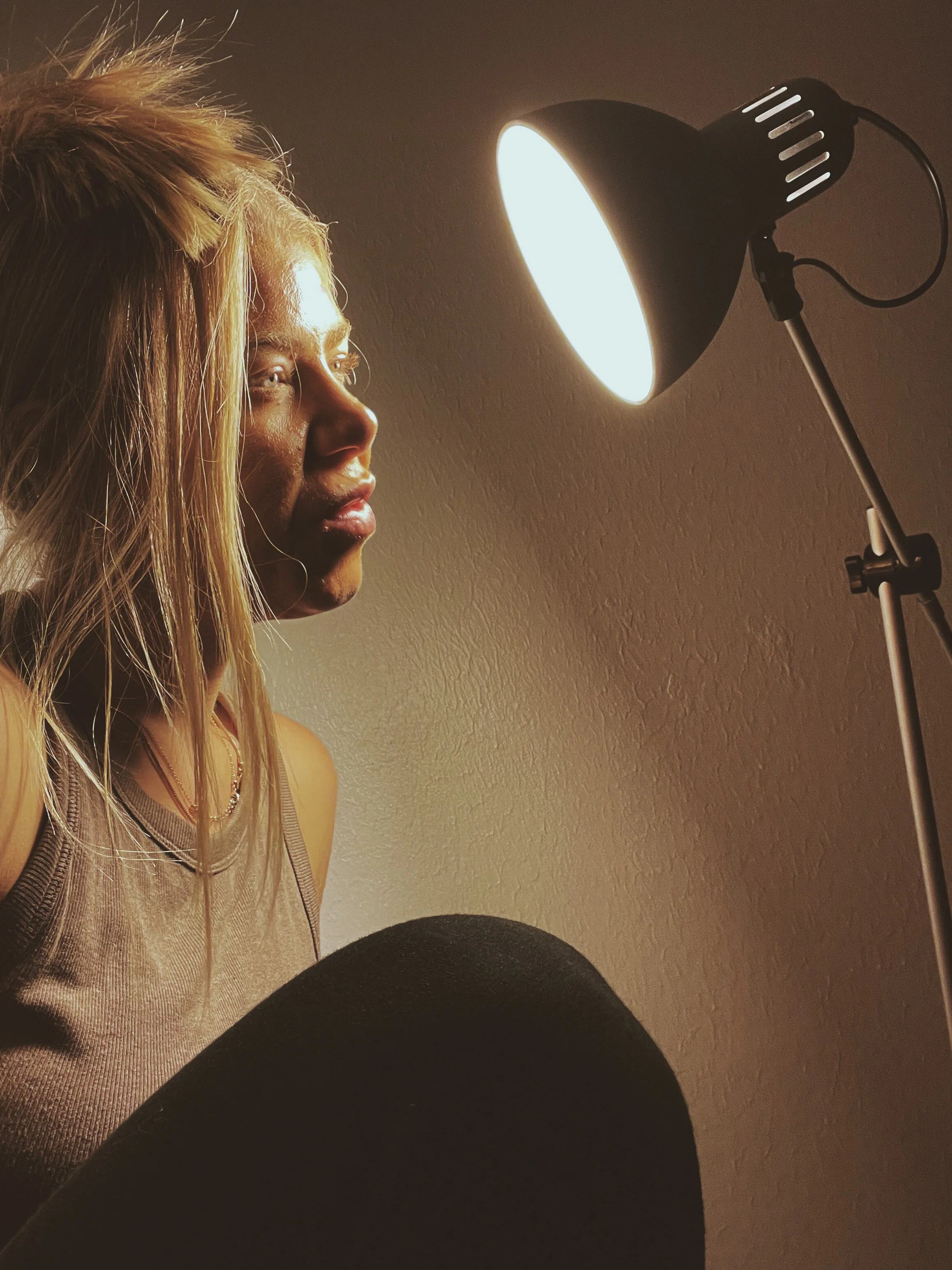
“There’s no normal. There’s you.”
So like I said, it can all take time, but our truth is always there - and ours to know - even if it’s not necessarily instantly known to us. To access it requires time, intention, experience, love, grace, awareness, STILLNESS.
This doesn’t mean knowing and channeling your authenticity requires a journey of a zillion steps, and in the meantime we’re just buzzing around like a bunch of posers with no idea who we are (though that right there is a pretty loaded surface statement that we could spend some time unpacking. Let’s just say I think we’re all on an authenticity, self-awareness spectrum - and tend to bounce around the spectrum depending on time/environment/subject/etc). There is a superspeed highway, shortcut version to expedite the process and access the authenticity reservoir that is the YOU inside you: get quiet (in any sense of the word - stillness can help, but isn’t required). Calm your mind and body as much as possible, and allow your inner knowing to come through. Pay attention to what resonates, and how it resonates, within you.
Those are your guides: who and what resonate with you.
Thank you for being here and caring. I love you.
A Match for Your Mountain
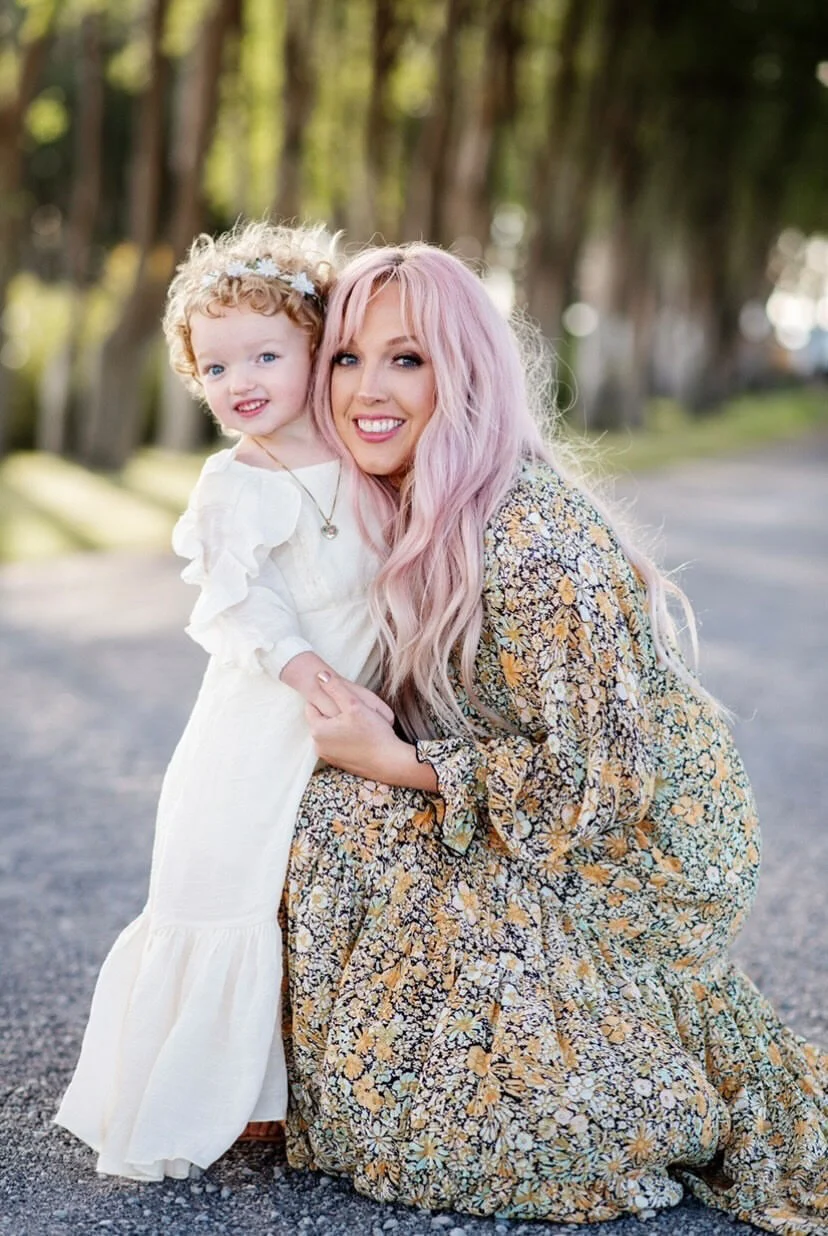
Suddenly being told to rush your “healthy” baby to the ER because those seemingly minor symptoms actually reveal a serious, lifelong condition would unnerve virtually any parent, especially if you’re a first timer.
Roman Ternus is one special girl in her own special way (you’ll see what I mean in the intro). She sparkles, she dazzles, she charms, and she inspires. She is full of life and light, undeterred by life’s curvies thrown her way. Diagnosed with Type 1 diabetes (T1D) at only one year old, Romey learned early on how to roll with the punches. Romey and her equally lovable and inspirational mother, Jeminee, share their climb.

By listening to this episode, you’ll get even more than just a cute, motivating story from a cute, motivating girl. There are many important messages in here: accepting and re-framing life’s challenges; recognizing and leveraging your inner strength; embracing and cultivating your partnerships; accessing and channeling bravery; and respecting and heeding your intuition. You’ll also hear important signs to look for to detect T1D.
Jeminee tells us her initial thoughts and reactions, and how she sustains her strength and gratitude through the demands of caring for a child with T1D.
This episode is a story of resilience, of hope, of hope, and of gratitude, and it serves as a powerful reminder YOU are a match for YOUR mountain.
Below is the full video to the audio snippet you’ll hear in the episode’s intro (so you can really see little Romey shine!). Find this and more on Jeminee’s Instagram page: @jemified_
Thank you for listening. Thank you for caring.
-w-


Toxic Venting vs. Healthy Venting
Are you a toxic venter or a healthy venter?
You may know how important feeling and processing your emotions are. Repressing them just allows them to metastasize and eventually explode in a bigger and uglier way. Venting can help you gain perspective and clarity, and assist you in moving forward and healing. Venting can be necessary. Leaving emotions/frustrations/anger bottled up can be toxic - but so can venting if we do it a certain way.
In this episode, I highlight specific signs of both toxic venting and healthy venting, and suggest different ways to release that pressure valve to leave you feeling lighter, happier, clearer, and freer.
The Revisionist History episode I reference at the end is titled Episode #25: Free Brian Williams, from June 7, 2018 (full transcript here ).
I love you.
Thank you for listening! You can find me on Facebook or on Instagram @the_nativist
Indigenous Voices Series Part 2

In this second part of my Indigenous Voices series, I spotlight Sequoia Dance-Leighton, an enrolled member of the Shoshone-Bannock tribes, a descendant of the Assiniboine Red Bottom clan, and a resident of the Nimiipuu (Nez Perce) land. With a bachelor's degree in human development and a master's degree in social and cultural pedagogy, she is now pursuing a PhD in cultural studies and social thought in education.
It's a longer episode than most, simply because it was such a fun, easy, stimulating conversation and I didn't want to stop! This conversation is packed with subtle yet profound life truths.
Sequoia describes how being of mixed descent impacts how she perceives and how she feels perceived, all while she works to fuse those two worlds. She shares her story of connecting with her native heritage and cultural identity. She outlines her approach to balancing: ancient wisdom with newer perspectives; older generations with younger cohorts; professional ambition with self care; and social activism with personal boundaries.
Sequoia tells us about working with the youth and striving to amplify voices that are usually silenced. She gives tips on avoiding micro aggressions and complacency. She explains settler colonialism, and offers a fresh take on viewing the earth and those who call it home. We emphasize the enduring wisdom of indigenous people, and the importance of seeking it out, no matter your ethnicity or location.
This may seem like a niche episode, but its relevance and applications are anything but. If you enjoy it half as much as I did, you'll really dig it.
You can find Sequoia on:
Instagram: @therealrezwife
Twitter: @SequoiaDance
TikTok: @realrezwife
Resources mentioned in the show:
native-land.ca : to find native land on which you live
Chelsey Luger: a trainer/facilitator for the Native Wellness Institute, and the cofounder and editor of Well for Culture.


Indigenous Voices Series Part 1

In a world of worthy causes, the indigenous voice is often drowned out. This series aims to illuminate it.
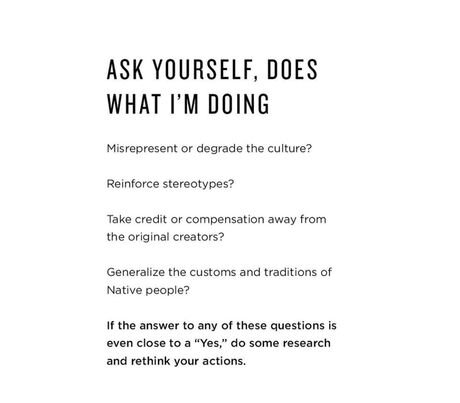
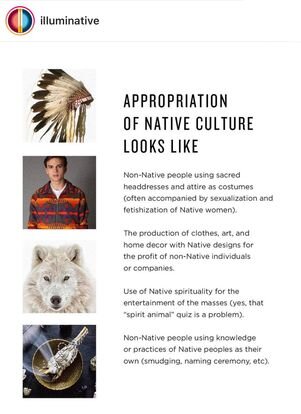
If you're interested at all in being a more informed and respectful human, this is a goldmine. Elise Blaser returns to share with us her indigenous perspective from a cultural, historical, and personal standpoint. She tells us about growing up in both Canada and the US while having both native and Caucasian blood. She outlines common disparities and misconceptions surrounding indigenous culture and people, and ways in which we could unwittingly be disrespecting those cultures (some may surprise you!). She highlights her favorite cultural aspects, and how non-natives can partake without disrespecting. We reference the @illuminative Instagram post (see below) distinguishing between appreciation and appropriation, citing concrete guidelines and frequently asked questions (like if it's okay to wear moccasins or smudge).
Rather than preachy and critical, this conversation is lighthearted yet deep, educational yet engaging, and fun yet reverent. And critically important.
You can find Elise on Instagram @eliselilaa

Illuminatives
Instagram post from March 31, 2021
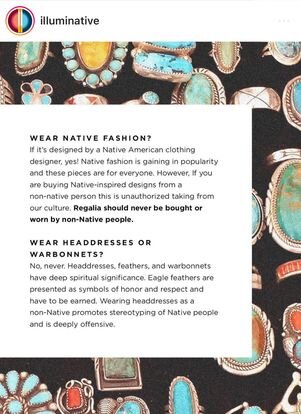
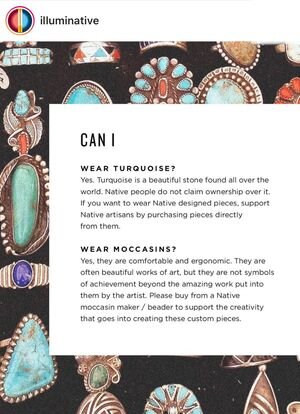

Taking Accountability and Regulating Our Emotions
This post (and it’s corresponding podcast episode) is per request - and is also actually a specific topic I’ve really wanted to tackle.
Today we’re talking about taking accountability for our actions, and for regulating our emotions.
And as you’ll soon see, there is so.much. to cover here. It’s good stuff, so let’s dive in.
Below, you’ll find a transcription to this episode, so you have the option to read/listen!
You might’ve heard it’s not what hand we’re dealt - it’s what we do with it. We’re not responsible for the initial hand we’re dealt, but we are responsible for how we play it. It’s on us to do something with it. (This right here is a whole other conversation about privilege, drive, luck, agency vs. destiny, etc - but we’ll stay on the surface here.)
It’s easier to blame than it is to take accountability and do the work. And sure, there are legitimate sources of blame, and legitimate challenges (trauma, etc) we’ve experienced that have caused our situation. This doesn’t discount those. Those should be acknowledged and emotionally/physically/psychologically processed, etc. Also, this is pretty nuanced and not always as simple as just willing your way through something. but at the end of the day, still, to truly heal and move forward is up to us. And sometimes (and often) moving forward comes through seeking/accepting the help and resources we need, at least to give us a solid footing. While seeking and receiving may seem passive, and may seem like offloading the responsibility - that’s just not so. They’re active approaches to healing and resolution. We can be surrounded by the best resources and help in the world, but unless we let it in - it’s useless. and the letting it in is entirely up to us.
Let’s tilt this to a slightly different angle. Let’s talk about when people do us dirty, or create the problem. I just got done with my addiction series. Part of this included the perspectives of wives of addicts. Far and away, the most effective and powerful approach and resolving factor were the wives attending to their side of the street. Did they cause the issue? No (though this can get nuanced in many cases, as there are multiple contributing factors in situations involving addiction). But what/whom we’re talking about here, no - the wives were victims here, so to speak. Are they justified in getting angry and blaming their spouse? Sure, absolutely. And it’s important to feel your feelings and express them as necessary, and to not try to good vibe your way out of it, thereby repressing emotions. All emotions serve a purpose and have value, and repressing them only delays (and often magnifies and worsens) their expression. What we resist persists. They’ll come out eventually - usually at a greater magnitude and worse moment. But these wives credit their survival and current mental wellness with working on themselves: seeking therapy, turning inward, etc. They reflected on their own issues, and how those issues were impacting the current situation, and their reactions to the current situation.
For one of the wives, this meant she ended up taking her baby and leaving her husband (which took remarkable strength and courage, considering how young she was and what little she had). Now, she’s healthy, happy, and newly married. She took ownership of herself and her situation. Often, these tough times are gifts because they reveal what isn’t working, and (sometimes forcefully) nudge us into facing and handling that. One of the wives stayed with her husband, and he credits her individual self work for his sobriety. He told me his wife’s “working on herself” was the best thing she could have done because I noticed and wanted to be better as well, which was a huge factor [in] why. I tried to give up alcohol many times before, and when she was finally healed enough to leave, I became strong enough to quit.”
And that’s important to note too: Our actions have ripple effects. We have the power to inspire and uplift others. When we take care of ourselves, that radiates to those around us, and affects the world. When we rise, we can take others with us. Not that that should necessarily be our reason why, but it’s a beautiful secondary motive.
Now let’s talk about when someone says/does something that pisses us off. Bums us out. Triggers us in any way. We often hear (and might even have said): “You made me so mad.” “You hurt my feelings.” “You made me ____ (fill in the blank).” In reality…they’re the stimuli - and how we react to that stimulus is ultimately up to us. As in any scientific experiment, the stimulus is different from the reaction. Different forces. Different entities. And so it is here. Our reaction is and should be separate from what stimulated it.
You might’ve heard the quote by US First Lady Eleanor Roosevelt, “No one can make you feel inferior without your consent.” To give more context to this, Eleanor was responding to reporters’ questions regarding an awkward event in 1935. The Secretary of Labor in the Roosevelt administration was invited to speak at the University of California, Berkeley on the Charter Day of the school. The customary host of the event was unhappy because she felt the chosen speaker should not have been a political figure. She refused to serve as host, and several newspaper commentators deemed her action as a rebuff and an insult. Eleanor was asked at a White House press conference whether the Secretary had been snubbed. “A snub” defined the first lady, “is the effort of a person who feels superior to make someone else feel inferior. To do so, he has to find someone who can be made to feel inferior.”
Another analogy that comes to mind for me is the stimulus (the word/action) is the seed and we are the soil. Whether that soil is fertile (for offense, reactivity, etc) or infertile (repellant to offense) is up to us. And there are quite a few contributing factors to our soil’s fertility, or lack thereof. A reaction is not predetermined and is not automatic. There is space between the stimulus and the reaction. Within that space, power is transferred from the stimulator to the receptor. In the space, we as the receiver get to determine (however consciously and intentionally is up to us) our response.
Here’s where it gets tricky: sometimes that response is hijacked by our subconscious. Our fears and insecurities override our logic, our reasoning, our values, our best intentions. Perhaps our unhealed trauma wounds are triggered, and those are POWERFUL, especially if incurred during our formative years in childhood. We largely and often can’t control if/when we experience trauma, to whatever degree it is. I am in no way victim blaming here - ABSOLUTELY NOT. But for us to extricate ourselves from its chains that strive to control our lives - we must first recognize, and then own it. And this comes through shadow work. Through introspection. Through facing ourselves. Through digging in and getting honest. This process is typically helped by professionals, and trusted loved ones (especially if the trauma is significant). They can illuminate our blind spots, maintain objectivity, and maintain necessary and beneficial objective distance. Even with their help, though, we’re still responsible for doing the work.
As you’ve likely figured out by now, what happens in our formative years affects us today. One of the best ways to get to know someone is to ask them about their childhood. I personally had a fantastic childhood with wonderful, loving, involved parents. However, like virtually everybody else, I still have my stuff. I still have triggers and hangups I’ve had to work through. It’s not always necessarily a reflection of the efficacy and love of your caregivers. None of us make it through life without some wounds. Sometimes, they’re just surface scratches, merely getting our brief attention. Sometimes, they’re bone deep, and if we don’t properly treat them, they worsen and become infected, and that infection spreads, affecting what’s nearby.
For me personally, I would often feel unseen and unheard. As part of this, I also outsourced my validation, and was very reactive. Reactivity is a sign of poor self-emotional regulation. If our moods and our actions and our words depend upon people/situations outside of us, we’ve ceded our power. We’ve ceded our calm and our happiness. We’ve ceded our stability. Only when we can practice that pause, to grant us space between what happened, and how we will handle what happened, will we be empowered. When we respond, rather than react, we feel better and do better. Part of this is recognizing the separation of the stimuli, our thoughts, and our actual core self. If we maintain this distance, we can ascertain when our fears are trying to hijack, when our insecurities are trying to cloud. Otherwise, we’re tossed around by the ever-changing winds, at the mercy of situations and people.
I can tell you from personal experience what a freeing feeling it is to reclaim your power and maintain that calm in the storm. It feels better for you, it feels better for others. Our actions have ripple effects. We don’t live in a vacuum. So you can imagine the compound effect of reactives interacting with other reactives. No wonder we have the division and discord in our world: in relationships, in communities, in business, in politics, in friendships, in religion. We can be powerful catalysts for change, on a micro and macro level, simply by learning to regulate our emotions. Defusing situations by remaining grounded and aware.
Self awareness is key, and not everyone is fully self aware. We’re all at different parts of our journey, to put it euphemistically. In a recent relationship, I saw firsthand - from the other side - how destructive poor emotional self-regulation can be.
A little bit of a back story. Codependency can manifest in various ways. I was codependent in the sense I was a “fixer” and derived my sense of value and worth from fixing, from accommodating, and from caretaking. This is good to an extent, but not in excess, and not to the point of self abandonment. Neither wins when only one set of needs/wants is being met. In a way, I was using that “fixing” and self-denying to regulate my emotions: to feel needed, to feel valuable, to feel desirable, to feel in control, to feel indispensable.
On the other side was my boyfriend, who was codependent in the sense he wholly depended upon externalities to determine his mood, sense of self worth, and identity. I know why he was the way he was (family dynamics in the formative years for the win). I empathize and feel for him. Even so, it was tough to experience. For BOTH of us. Frustration abounded on both sides.
On my side, I’d feel enormous pressure to accommodate his insatiable need for validation. A simple compliment wasn’t enough. Nope. Each one needed to be multi-sentenced, deep, fresh, nuanced, and heavy-hitting. Every single one. Multiply this by 15 or so - A DAY. It was exhausting - which is ironic, because genuine, heartfelt, customized acknowledgements and compliments are my thing. But this just felt forced, and pressured, and required. Don’t get me wrong, he gave what he expected. He could be the king of compliments. But it all felt so heavy. For someone who loves swimming in the depths, pretty soon I was gasping for air.
If we didn’t have the exact same opinion, he’d take it as a personal attack. A condemnation of his taste, his character, his judgment. He wouldn’t directly communicate this - because he needed external harmony for his internal peace. So nothing ever truly got resolved. He’d say one thing and mean another. Not because he was trying to deceive or lie or put one over on me. He was trying to fulfill his idea of what a perfect boyfriend, a perfect son, a perfect citizen, and a perfect employee would do/say, whether or not that reflected his truth. He NEEDED people to view him a certain way because he needed their approval for his own. Their validation of him translated to his validation of him. He didn’t dare to let his true feelings and self show, for fear those would be judged, condemned, discounted, dismissed, and found lacking. (I think many of us can relate to that - humans have worn masks long before COVID-19.) Therefore, he wasn’t truly expressing himself. We could never truly connect, because connection requires authenticity.
He had an internal script he needed the world and its people to follow for him to maintain peace and happiness. As a fellow world dweller, I’m sure you know by now, the world obeys NO script. If we have a script, it laughs and flips the middle finger. Life happens. And people have agency and their own wants/needs/fears/problems/objectives. We’re all just muddling around together. Sometimes those factors align, and often they clash. C’est la vie. We can’t control others - only ourselves. And that right there underscores the importance of learning how to regulate ourselves, and not cede this power to others.
Though he never communicated the content of his script, I’d sense it. And just like I loathe others telling me what to do, this was no different. Not a recipe for romantic bliss. I felt exhausted and resentful for all he required of me, and he felt unfulfilled and unsupported. My resentment would grow, and his frustration would increase. I remember one particular argument wherein he criticized me for “making” him feel and react a certain way. I pushed back, cited Eleanor Roosevelt, and asserted no one can “make” us feel anything - our response is up to us. He clearly let me know he did not agree.
As with anything else, this is nuanced. It’s not as easy as just emotionally distancing ourselves from anyone or anything with which we interact. There’s actual value in being affected by situations and people. It’s an integral part of empathy, and connection, and progress. Feeling inspired by a friend’s win, feeling gutted by a community tragedy, feeling uplifted by a stranger’s remark.
What we’re talking about here is the RESPONSE, not the initial reaction - both internally and externally. Knowing our worth doesn’t fluctuate - it’s constant and it’s real - whether or not you/others see it at any given time. It doesn’t depend on what you do, what you say, what you believe, what you achieve, what you look like.
Really, any time we’re triggered, fear is the underlying emotion. Fear of physical/emotional pain. Fear of not having enough to meet our physical/emotional needs (prompting a scarcity mindset). Fear of the unknown and how it could affect our current wellbeing (nurturing xenophobia). Fear of being deemed inadequate (causing shame).
So let’s think about shame. Shame is what happens when we view ourselves through others’ eyes. What if you removed that filter? What if instead you asked yourself - and only yourself - if you’re okay with that action/characteristic/thought? If it/they align with your values, or if they contribute to the kind of person you want to be, or if they harm others? If your opinion was the only one that mattered, are you okay with the person you are? With what you’ve done and how you did it? With what you do and how you do it? With who you are? When you think of your ideal self, is that conceived by you or others? Are you able to separate others’ views/expectations from your own?
It’s not your job to like me. It is my job to like me. And vice versa. You’re not obligated to like me, and I’m not obligated to try to get you to like me. And vice versa. It’s not your job to scale my walls to give me love. It’s my job to open myself up to receive love (all kinds of love: familial/romantic/platonic). And vice versa. This opening to allow love comes from shadow work, self reflection, self awareness, self development, self acceptance, and self love. All inside jobs.
People can be fickle and mercurial. They can be blinded by their own fears/insecurities/distractions. They have their own stresses and worries. They can get hung up on certain surface characteristics, certain defensive mannerisms, certain societal detractors, certain psychological disruptors (in themselves/others). We don’t always clearly see others (because we often don’t clearly see ourselves!). Many are simply reacting, rather than responding. And then others react to those reactions, and so on. Dominoes action. Chaos, right?
But we can do our part to mitigate and lessen that chaos - by taking responsibility and being accountable for ourselves, and our responses.
Two concepts that changed my life are: impermanence and subjectivity. Before, if I got rejected for a team, or an opportunity, or a _______ (personally/professionally), I’d accept and internalize defeat. View that “ruling” as final and binding. Not anymore.
Now I accept “defeat,” sure - but I keep it contained and in its appropriate context. I don’t view it as an attack on my worth, identity, or ability. I accept it and move on - either in further pursuit of that same objective (if that’s what I truly want) or another (if I choose to redirect). I use the feedback to adjust and improve if necessary.
I also recognize it’s all subjective: others’ personal/professional opinions of me. No matter how accomplished or experienced or cool they are. Humans can do miraculous feats (learn new skills, master existing skills, etc) when properly motivated. We all have so much power and potential - independent of others’ opinions. Another’s recognition of this and acceptance of us doesn’t diminish this.
Let’s not outsource our acceptance, our validation, and our happiness.
And sometimes others will hold us accountable, as they should. This can be uncomfortable at best, and infuriating at worst, especially when it comes to our unconscious biases, especially regarding racism and sexism. We all have blind spots. We all have biases - they’re a cognitive requirement of being human. But rather than getting triggered, let’s filter those accountability call outs through that pause between stimulus and response. Let’s examine if and why it resonates with us. Let’s examine if and why it angers us. Let’s examine if and why it saddens us. Let’s analyze it as objectively as we can (we’ll never achieve full objectivity, but shooting high helps elevate our landing spot).
And while we’re at it, this is a solid and key practice for every other situation in life. If we find we’re triggered by someone/something, it’s incumbent upon us to delve in and identify why, instead of offloading onto the offender and others to regulate our emotions and to adjust to our “script” (sound familiar?). If we don’t want others to do that to us, why would we expect them to allow us to do it to them? For example, if we see a scantily-clad woman feeling herself and posting a selfie, and we feel disgust - that has NOTHING to do with that woman or her actions, and everything to do with our response to it. What’s driving our disgust? Envy of her confidence and audacity to shatter the shackles of society and its [fickle] beauty/decorum standards? Envious because we ourselves don’t dare to do so? Insecurity with our own body? Moral indignation she is dressing immodestly and not respecting our belief system?
This doesn’t mean we accept responsibility and blame for everything that happens. Not at all. It simply means we can only control ourselves, and for our own health, wellbeing, stability, and happiness, we have to take ownership of ourselves. This is so we can lessen our reactivity and triggers. And this doesn’t mean we must always remain stoic and reserved and nice. NOPE. We’re humans. And sometimes strong situations call for strong responses.
And you may have heard me speak repeatedly on the importance of boundaries. They are PARAMOUNT to our individual and collective health, wellbeing, and success. IMPERATIVE, y’all. They allow us to set boundaries without being consumed and leveled by guilt and people-pleasing instincts (thereby saving our precious bandwidth for what truly counts and preventing suffocating resentment when we’re maxed out and not acknowledged by those we’re pleasing). They also allow us to respect when others set boundaries with us (because none of us are perfect, remember? Nor omniscient). Boundaries are for our individual and collective good. They allow us to reserve our time and energy for what we need to focus on, thereby helping us be more compassionate, less depleted, more fulfilled, and more effective.
The Internet has a wellspring of self-regulation options and guidance. Here are a few tips:
Acceptance and curiosity. First step, accept. ALL of our emotions are messengers, conveying valuable info we can use to improve our understanding of ourselves, the situation, and possible solutions. And by staying curious, this eases the weight of the feeling(s). It infuses it with wonder, which makes it more enjoyable, and motivates us to explore further (thereby hopefully preventing - or at least reducing - future occurrences). It also shifts the focus from problem to possibilities, from misery to musing, from suffering to solution.
Regulation over repression. Like we said before, what we resist, persists. Repression just kicks the ball down the road, and facilitates festering.
Identify your feelings. As Daniel Goleman, PhD and two-time Pulitzer Prize-nominated author and science journalist advises, recognizing and naming your emotion arrests the progress of the “negative” feelings. When you feel yourself getting angry, simply saying, “I’m getting upset” shifts the energy from your emotional center to your verbal cortex. BOOM. Life hack.
Keep a mood journal. This will help with venting, with recognizing triggers and patterns, and with illuminating blind spots.
Seek insight from a professional or trusted loved one. Therapy is a yes for EVERYONE - whether you feel you need it or not. They can listen objectively, provide perspectives to consider, and give guidance on effectively reframing and navigating it all. But if you’re not jazzed about that - for personal or financial reasons - a trusted individual can also offer valuable feedback on aspects about yourself/situation, and illuminate blind spots.
Allow yourself space - literally and figuratively. This is important. Sometimes situations demand immediate attention/action - in which case deep breathing is key - but otherwise, time and space to collect your thoughts and connect to yourself can make all the difference, both in how you feel and how you respond.
Breathe. Breathing is shockingly simple yet astoundingly effective. Whether you want it to or not, breathing deeply activates your parasympathetic nervous system. This signals your brain to tell the anxious part you're safe and don't need to fight, flee, or freeze. Deep breathing gets more oxygen to the thinking brain, so you’re able to respond more effectively and feel better doing it. There are various methods: box breathing (eg inhale 5 seconds-hold 5-exhale 5-hold 5 and repeat); inhale 4 seconds-hold 7-exhale 8 and repeat; and simply exhaling longer than you inhale - for as many rounds as any of these take to feel more relaxed.
In summary:
It’s up to us to regulate our emotions. It’s not on others to make us feel happy, or soothed, or comforted, or calm. Others don’t make us mad, or sad, or frustrated.
That’s on us. They supply the stimulus, we provide the response.
Sometimes those are knee-jerk reactions. Sometimes mental health issues/trauma/patterned thinking and behavior/fear/stress/insecurities drive those reactions.
Sometimes we can override them.
That’s why self awareness is crucial to empower us to respond, not just react.
Fragility is when we’re owned by the stimulus.
Like Viktor Frankl, the Austrian neurologist, psychiatrist, philosopher, author, and Holocaust survivor says: “Between stimulus and response there is a space. In that space is our power to choose our response. In our response lies our growth and our freedom.”
Addiction Series

The latest installment of The Nativist’s addiction series is a gut punch.
My incredible friend Jessie Enander shares the heartbreaking - and tragically relevant - story of how painkillers destroyed her best friend’s life.
Jessie talks about how her friend, a stay-at-home mother, fell prey to the horrors of addiction. Jessie describes the addiction’s progression and symptoms, and how terrifyingly easy it is to obtain and get hooked on heavy pain pills.
Jessie candidly tells us her reactions and emotions throughout the experience. She emphasizes the importance of compassion and recognizing the person beneath the addiction. She identifies what she wishes she would have known then, and how she wishes she would’ve handled it.
It’s a moving, informative, profound, and necessary part in my ongoing effort to normalize conversations on addiction.
The resource Jessie shares is www.shatterproof.org , an invaluable resource that works to end the stigma and provide help by informing, connecting, and guiding addicts and their loved ones through addiction.
You can find Jessie on Instagram @themomhatter
Love you all,
-w-

Addiction Series Part 5: My Husband Overcame Alcoholism

Today’s episode is moving, it’s enlightening, it’s illuminating, it’s inspiring… It’s as remarkable as the woman who shares it: Mindy Cervantes.
Mindy candidly and compassionately shares her story of being married to someone addicted to alcohol. She takes us through how it began, how it progressed, and how it resolved. She outlines what steps she took on her end to empower and heal herself, so she could deal with the issue, and notes how those steps actually revolutionized not only her relationship with her husband, but also her relationship with herself and others. She highlights the importance of doing our own work, whether we’re the addict or we’re supporting one.
She answers the million dollar question of what was finally the catalyst for change. She spotlights the less-often discussed phase of navigating post-sobriety and its accompanying questions and considerations.
As in past episodes, we emphasize addiction touches us all, whether directly or indirectly.
The website Mindy mentions is www.loveoveraddiction.com and you can click here for the podcast.
Find and follow Mindy on Facebook @MindyCervantes and Instagram @mindy.d.cervantes
I thank you and I love you.
-w-

Addiction Series Part 4: Ally Not Enabler

Another hard-hitting and stellar conversation in my ongoing series on addiction.
Today’s guest is Hallie Hanohano-Erickson, who shares her perspective of a loved one watching her brother and “brother-in-law” experience drug addiction.
Hallie candidly speaks on her emotional evolution, and what she did to help her process and understand the experience. Hallie highlights signs to look for, and realizations to keep in mind. Hallie remarks on how she would have responded differently, knowing what she knows now, and what she’s learned during the journey, such as how to be an ally, not an enabler.
The podcast Hallie references is Last Day by Stephanie Wittels Wachs. The podcast I reference is Armchair Expert, particularly Episode 87 with Johann Hari from March 14, 2019 (exactly two years ago!).
Please excuse the inexplicable “swamp monster” sound you occasionally hear in the background. We tried identifying the cause, but no such luck. If you power through, it’s totally worth it.
Love you.
Thank you for listening and caring.
Addiction Series Part 2: Addicted to Porn

In the second installment of my addiction series, our guest shares his experience being addicted to porn. In the first installment, we heard the perspective of a spouse; this time, we hear directly from the addict. Eric Gallup explains what led him to pornography and his unhealthy relationship with it. He discusses what drove him to pornography, and whether or not it reflected his contentment with his partner and marriage. Eric reflects on how he climbed from rock bottom to the happy, healthy, uplifting, grateful person he is today as a life coach. Not only does this episode highlight addiction truths, but life lessons as well.
You can follow Eric Gallup on Facebook. On there, he also has his Curative Coaching page if you’d like to hire him as your life coach.


Addiction Series Part 1: My Spouse Was Addicted to Porn

This series has been a desire of mine for awhile now.
Though widespread, addiction is still stigmatized, hushed, shamed, and (I feel) generally misunderstood.
But it affects all of us (whether you realize it or not) directly and indirectly. So let’s talk about it.
Dr. Gabor Maté, MD, is known for his unique perspective on addiction, child development and trauma, and how this stress manifests in the body, and he has written several related books. While on The Goop Podcast (episode from 3/26/2019 titled How Does Childhood Stress Manifest in Adulthood?), Dr. Maté provided a nutshell definition:
”Addiction is manifested in any behavior in which a person finds temporary relief and pleasure and therefore craves, but suffers negative consequences as a result of, and cannot give up despite negative consequences.”
It could be addiction to pornography, sex, food, relationships, video gaming…or even to work and profit.
Dr. Maté notes when he gives this talk to any group of 800-1000 people and asks how many present by that definition have an addiction, virtually everyone will raise their hand.
Wow. Think about that.
Most of us are addicted to something (whether we realize/acknowledge it or not).
Dr. Maté continues on to remark on how we judge those with addictions of which we don’t approve. We’ve arbitrarily decided which addictions are respectable and which are not. For example: We judge heroin addicts more than cigarette smokers, which is interesting because from a health standpoint, cigarettes are worse for you than heroin (unless you overdose on heroin).
There are multiple manifestations, experiences, and contributing factors regarding addiction. This series is to normalize this conversation. To offer various perspectives and angles, from addicts and from those who love them. These views/experiences may differ from your own. Good. I hope so.
This is part of The Nativist’s broader purpose of sharing stories and views, to connect to ourselves and others; to nurture empathy and inspire us to look outside our personal experience and perspective, so we may learn, grow, understand, and live more fully.
In this episode, Reagan Garrett candidly shares her story of having a spouse addicted to porn. As a new mom and wife at the tender age of 17, Reagan tells us how she discovered the addiction, and what she did with that information. She speaks on her initial and subsequent reactions, her thoughts, her coping methods, her recommendations, and her current views on the matter.
She inspires me.
(Please excuse the poor audio quality on this episode. It’s worth it.)
If you’d like to connect with Reagan to share/relate to your own experience, you may find her on Instagram @reagang_
THANK YOU for caring. This matters.
